Why your strong core might actually be too rigid
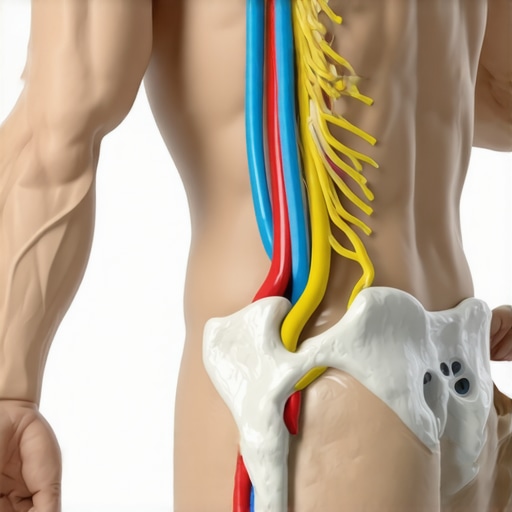
I remember standing in my kitchen, reaching for a simple bag of flour, and feeling a bolt of lightning shoot through my lower back that nearly brought me to my knees. It was humiliating. I was the ‘fitness guy’ in my circle, the one who could hold a four-minute plank without breaking a sweat. I thought I had built a fortress of muscle, but in reality, I had built a prison. My core was so tight and ‘braced’ that it had forgotten how to actually move. I’d spent years over-training my abs, thinking that more tension equaled more protection, when all I was doing was crushing my own spinal discs from the inside out. [IMAGE_PLACEHOLDER]
Why Your Six-Pack Might Be Killing Your Back
Most of us are taught that a rock-solid midsection is the ultimate goal for preventing injury. We’re told to ‘pull the navel to the spine’ and keep everything ‘engaged’ at all times. But here is the hard truth I learned the hard way: a core that cannot relax is a core that is waiting to fail. I eventually realized that why your core routine is failing your spine often comes down to this obsession with constant rigidity. By keeping my muscles perpetually ‘on,’ I was creating massive amounts of internal pressure with nowhere to go. It turns out that understanding back pain requires us to look at how we move dynamically, not just how much tension we can hold while standing still. Today, I want to show you how to find the sweet spot between stability and the ability to actually breathe and move like a human being again.
Is a Rock-Hard Core Actually Worth the Hype?
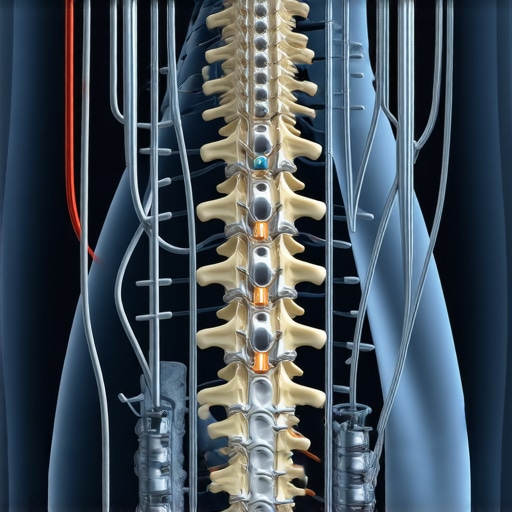
It feels almost sacrilegious to ask, doesn’t it? We’ve been conditioned to believe that ‘loose’ means ‘weak’ or ‘vulnerable.’ However, research published in the Journal of Biomechanics suggests that excessive muscle co-contraction—that constant bracing feeling—can actually increase the compressive load on your lumbar spine and significantly reduce your body’s ability to dampen natural shocks. Think of it like a car’s suspension; if the springs are welded solid, every tiny bump in the road is going to rattle the frame to pieces. Have you ever felt like your back is ‘stuck’ or ‘heavy’ despite being in great shape? I’d love to know if you’ve experienced that weird contradiction of feeling strong yet fragile.
Stop Trying to Sit Like a Statue
Early in my journey, I was convinced that I had to maintain a ‘perfect’ upright posture at all times. I’d sit at my desk like a gargoyle, muscles twitching with effort. I eventually learned that why sit up straight is actually bad advice for some is because it forces us into a state of hyper-vigilance. You simply cannot heal if your nervous system thinks you’re in a constant state of battle. Learning how to breathe through your diaphragm to reduce lower back pressure was the first time in years I felt my lower back actually ‘let go’ and soften. We need to stop valuing the ‘look’ of a hard core over the ‘function’ of a resilient one. Instead of just grinding through mindless reps, we need to focus on moves like the isometric hold that builds a bulletproof core without sacrificing your ability to bend, twist, and live your life without fear.
How to Un-Clench Your Spine and Start Moving
To stop treating your spine like a fragile glass rod, you have to retrain your nervous system to accept movement as safe. The first step isn’t a harder plank; it’s a softer approach to tension. I remember helping a friend move a massive collection of vinyl records last summer. In the past, I would have ‘braced’ my abs until my face turned purple, thinking that ‘hardness’ was my only protection. Instead, I focused on expanding my midsection with air before the lift. The result? I felt the weight transfer into my hips, and for the first time in years, I didn’t wake up the next morning feeling like my vertebrae were fused together. This shift from ‘bracing’ to ‘expanding’ is the key to longevity.
The 360-Degree Breath Technique
Think of your core like a balloon rather than a soda can. A soda can is strong until it gets a tiny dent, then it collapses. A balloon, however, can absorb pressure from all sides and bounce back. Most people only breathe into their upper chest, but the connection between shallow breathing and back pain is undeniable. To fix this, place your hands on your lower ribs. As you inhale, try to push your hands outward, not just your belly forward. This creates internal pressure that supports the spine from the inside out. Learning how to breathe through your diaphragm to reduce lower back pressure is the single most effective ‘core’ exercise you can do because you do it 20,000 times a day. 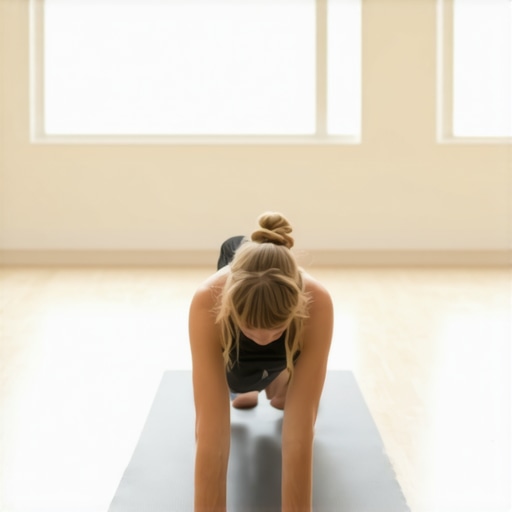
Ditch the Sit-Up for This Instead
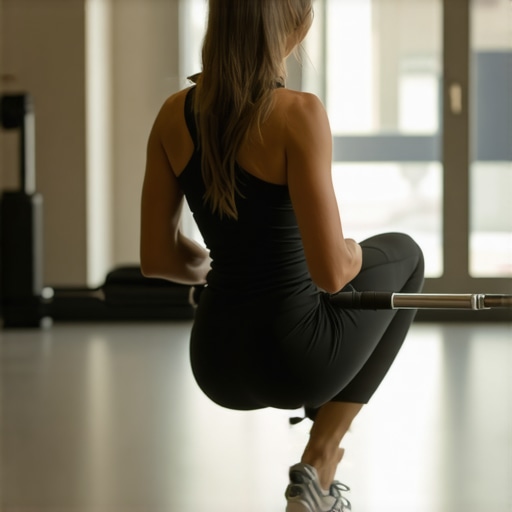
Traditional sit-ups often just grind your lumbar discs into the floor while overworking your hip flexors. If you want true stability, you need movements that challenge your ability to stay still while your limbs move. I shifted my focus to the bird dog variation that fixes wobbly core muscles. It’s not about how high you can kick your leg, but how much you can resist the urge to arch your back. This move is essentially an isometric hold that builds a bulletproof core by teaching your brain to keep the spine neutral while the rest of the body is in motion.
The Hinge That Saves Your Lumbar
Stop bending from your waist. Every time you reach for the dishwasher or a grocery bag, you should be moving from your hip joints. This is the ‘hinge’—a fundamental movement that many of us lost while sitting in office chairs for decades. If your hips are locked up, your lower back has to pick up the slack, why stretching a tight muscle isnt always the answer becomes clear when you realize the tightness is often a protective ‘splint’ for an unstable spine. Master the hinge move that protects your spine while gardening or lifting, and you’ll stop the micro-trauma that leads to those ‘sudden’ back blowouts.
I’ve spent a lot of time talking about how to engage the core, but let’s pivot to the biggest mistake I see when people actually try to fix themselves: the stretching obsession. Most people think flexibility is the antidote to pain, but in my experience, chasing a deeper stretch is often like pulling on a knot that you should be untying instead. We have been conditioned to believe that ‘tight’ equals ‘short’ and ‘stretches’ equal ‘relief.’ In reality, that tightness you feel in your hamstrings or your neck is often your nervous system’s way of putting on the brakes because it doesn’t trust your stability. This is exactly why stretching a tight muscle isnt always the answer; you’re essentially fighting against your own body’s safety mechanism.
The Stretching Trap You’re Likely Falling Into
The most common ‘oops’ factor I see in the gym is the person with chronic lower back issues religiously stretching their hamstrings every single morning. They feel a momentary sense of relief, but within an hour, the tightness returns with a vengeance. The trap here is that the hamstrings are often tight because the pelvis is already tilted too far forward, putting the muscle on a permanent ‘stretch.’ By cranking on them further, you aren’t fixing the length; you are just irritating the sciatic nerve and destabilizing the pelvis. Research led by spine biomechanics expert Dr. Stuart McGill suggests that for many back patients, static stretching can actually trigger more pain by reducing the ‘stiffness’ that is actually necessary to protect the spinal discs. This is a primary reason why stretching your hamstrings wont fix your back pain and might actually be making your recovery take twice as long. Instead of stretching, you should be looking at mobility mastery expert tips for back pain prevention and recovery that focus on control rather than just range of motion.

Why does your neck still throb despite your ‘perfect’ desk setup?
This is a question I get from high-performing professionals constantly. They have the ergonomic chair, the standing desk, and the $200 monitor arm, yet their neck feels like it’s made of dry wood. The hidden nuance here is that ‘perfect’ posture is often static posture, and static is the enemy of the spine. Even a ‘good’ position becomes toxic if you hold it for eight hours. Furthermore, why your perfect posture is actually making you stiff is usually tied to the fact that you are likely holding your breath and clenching your jaw to maintain that ‘upright’ look. Have you ever noticed that when your neck is flaring up, your jaw feels tight too? There is a profound connection between your jaw tension and neck mobility that most traditional routines completely ignore. If you don’t address the tension in your face and the way you breathe, no amount of ‘sitting up straight’ will save you from the hidden link between neck pain and spinal health.
Stop Chasing the Symptom and Start Finding the Source
If your neck hurts, the problem might be in your hips. If your back hurts, the problem might be in your ankles. This sounds counterintuitive until you realize the spine is just the middleman in a long chain of movement. For example, we often find that why we adjust the pelvis to fix neck tension is because a tilted foundation forces the head to shift forward to maintain balance. This ‘forward head’ isn’t a neck problem; it’s a structural compensation. When you stop obsessing over the spot that hurts and start looking at the body as a single, connected unit, you stop falling for the temporary fixes that keep you in a cycle of injury. If you’ve spent months or years doing why static stretching might be prolonging your back pain, it’s time to shift your focus toward stabilization and dynamic movement. Have you ever fallen into this trap of stretching a muscle that just won’t loosen up? Let me know in the comments.
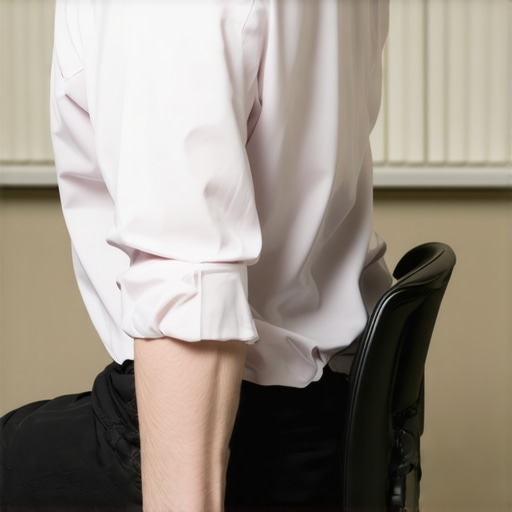
If you want to stay pain-free, you have to realize that mobility isn’t a destination; it’s a subscription service. I’ve found that the best way to keep my progress from slipping is a simple 5-minute desk reset for busy professionals that I do twice a day. It’s not about doing an hour-long yoga flow; it’s about signaling to your nervous system that it’s okay to let go of the tension you’ve built up while staring at a spreadsheet. One of the biggest game-changers for me was learning the correct way to use a lumbar roll in your office chair. Most people shove it too high or too low, but if you get the placement right, it naturally keeps your pelvis from tucking under, which is the root cause of that afternoon lower-back ache. I also swear by learning how to use a tennis ball to release upper back tension because it allows for a pinpoint accuracy that a bulky foam roller just can’t touch.
How do I maintain my spinal health over time?
Consistency beats intensity every single time. I follow the ‘Supple Leopard’ methodology championed by Dr. Kelly Starrett, which emphasizes that humans were built to move, not to sit in ergonomic chairs. Starrett argues that ‘all human beings should be able to perform basic maintenance on their own bodies,’ and I couldn’t agree more. This is why I started looking at the link between ankle mobility and lower back stability. If my ankles are stiff from wearing the wrong shoes, my lower back has to work harder during every single step I take. I even went as far as getting a gait analysis to see what your gait analysis reveals about your lumbar health. It turned out I was over-striding, which was sending a shockwave up my spine with every step. When you start thinking about your body as an integrated machine, you stop asking ‘why does my back hurt?’ and start asking ‘where is the leak in my system?’
The Future of Spinal Longevity
Looking ahead, I think we are moving away from generic ‘standing desk’ advice and toward personalized biofeedback. I’m already seeing wearable sensors that vibrate when your diaphragm stops moving properly or when your pelvis tilts into a danger zone. This real-time data will eventually make ‘posture’ an automated habit rather than a conscious effort. But for now, the secret is knowing the proper way to use a foam roller on your upper back to open up your thoracic spine without irritating your ribs. My best advice? Pick one thing today—whether it’s the 10-second reset or the breathing technique—and do it until it becomes as automatic as brushing your teeth. If you really want to level up, try my advanced tip: spend ten minutes sitting on the floor while watching TV tonight. It forces your hips to find new positions and keeps your spine from getting ‘molded’ to the shape of your sofa.
[IMAGE_PLACEHOLDER]
My Hardest Lessons in Reclaiming a Pain-Free Life
Looking back at years of physical frustration, there are a few lightbulb moments that changed everything for me. First, I realized that stiffness is not the same as strength. You can have the strongest abs in the world, but if they can’t relax, you’re essentially wearing a straightjacket. Second, I learned that mobility mastery expert tips for back pain prevention and recovery often center on trust; your body needs to trust that it’s safe to move into new ranges without snapping. Finally, I discovered that my environment was often my biggest enemy. Small, frequent resets are infinitely more powerful than one grueling workout a week. If I have learned anything, it is that the body rewards consistency and subtle adjustments over brute force.
The Daily Toolkit That Keeps Me Off the Treatment Table
I don’t leave my spinal health to chance anymore. Here are the specific resources and tools that I personally swear by to keep things moving smoothly:
- The Supple Leopard Methodology: Dr. Kelly Starrett’s approach to human movement changed how I view maintenance. It taught me that I have the power to fix my own leaks before they become injuries.
- The Tennis Ball Trick: I always keep a tennis ball in my desk drawer. Knowing how to use a tennis ball to release upper back tension is my go-to move when my shoulders start to creep toward my ears during a long work day.
- The 10-Second Reset: This is my non-negotiable habit. Whenever I feel that familiar burn, I use the 10-second reset for when your shoulder blades start burning to recalibrate my posture instantly.
- Professional Strategy: When I’m truly stuck, I look for proven strategies for back pain relief from practitioners who prioritize dynamic function over static alignment.
Take the First Step Toward Moving Without Fear
The journey from chronic stiffness to fluid movement isn’t about finding a magic cure; it’s about reclaiming the natural rhythm of your body. You weren’t designed to be a statue. You were designed to reach, twist, breathe, and live without the constant background noise of discomfort. By shifting your focus from bracing to moving, you’re giving your spine the freedom it needs to heal itself. I’ve seen this transformation in myself and countless others who finally decided to stop fighting their bodies and start listening to them. Understanding back pain is the first step toward a life where you don’t have to think twice before picking up a bag of groceries or playing with your kids. You have the tools and the knowledge—now you just need the permission to move freely again. What is the one thing you’ve tried for your back pain that actually made a noticeable difference in how you feel? Let me know in the comments below!