Stop tilting your head: the right way to use your phone
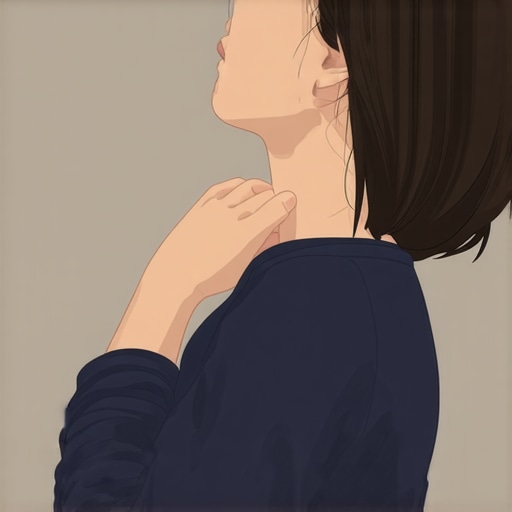
I remember sitting on my worn-out velvet armchair last winter, lost in a rabbit hole of DIY home repairs, when it happened. I tried to look up at the clock, and a sharp, electric jolt shot from the base of my skull right down into my shoulder blades. I was frozen. It wasn’t a sudden injury or a fall; it was just the cumulative weight of my own head. For years, I’d been the neighbor who thought a quick neck crack or a few minutes on a foam roller would cancel out hours of slouching. I was wrong. That moment of literal paralysis was my wake-up call that the way I held my phone was slowly but surely changing the shape of my life.
Stop Asking Your Neck to Carry Sixty Pounds
We treat our smartphones like extensions of our hands, but our necks treat them like heavy anchors. When you tilt your head forward at a 60-degree angle to check an email or watch a video, you are essentially asking your neck to support 60 pounds of pressure. That is like carrying an eight-year-old child around on your shoulders for four hours a day. I spent a long time making the mistake of focusing on the pain rather than the position. I would try stretching a tight muscle when the real issue was that I was constantly pulling my vertebrae out of their natural alignment. Today, I want to share the exact adjustments I made to my daily habits—tweaks that stopped the burning sensation in my upper back and actually gave me my range of motion back. We aren’t going to talk about screen time detoxes that nobody actually sticks to. Instead, we’re going to look at the biomechanics of how you hold your device and why your phone is making your upper back round.
Do I seriously need a professional to fix a scrolling habit?
It’s easy to be skeptical. You might think it’s just a phone, and surely your body can handle it. But the reality is that tech neck is more than just a catchy phrase; it’s a structural shift. According to research published by Dr. Kenneth Hansraj in Surgical Technology International, the physical stress on your spine increases dramatically with every inch of forward tilt. If you don’t change the habit now, you’re looking at a future of chronic spinal health issues that a simple stretch won’t solve. I used to think I could just sit up straighter and be fine. However, sit up straight is actually bad advice for some because it often leads to a rigid, unnatural posture that causes even more tension. Have you ever felt that sudden lock-up in your neck while looking down at your phone? It’s a scary feeling, but it’s your body’s loudest way of asking for help. We’re going to get into the 30-second reset for tech neck that changed everything for me. [image_placeholder]
Raise the World to Meet Your Eyes
The biggest mistake most of us make is treating our eye level as a fixed point that the device dictates. It should be the other way around. When I was deep in my recovery, I realized that my body was following my gaze like a dog following a treat. If my eyes went down, my chin tucked, and my cervical spine screamed. To fix this, you must bring your screen to eye level. If you are sitting on the couch, use a cushion to prop up your elbows. If you are at a desk, your monitor should be high enough that you are looking at the top third of the screen without dipping your chin. I remember a particularly grueling deadline where I spent six hours hunched over. By the end, I couldn’t even turn my head to check for traffic while driving home. That was the day I invested in a simple riser. It’s not just about comfort; it’s about how your eyes are secretly dictating your posture every single minute you are awake.
Open the Front Door of Your Chest
Think of your chest muscles like a set of springs. When you spend hours in a “forward-slump,” those springs tighten and pull your shoulders inward. Your upper back muscles, which are supposed to hold you upright, get tired of the tug-of-war and eventually just give up. This is how you end up with that burning sensation between your shoulder blades. To combat this, you need to engage in effective neck pain management by stretching the anterior chain. My favorite method is the doorway stretch. You simply place your forearms on the door frame and gently lean forward. It feels like unzipping a tight coat. This 5-minute doorway stretch for rounded shoulders was the first thing that actually let me take a full, deep breath again without feeling a “catch” in my mid-back.
Why Your Hips Hold the Key to Your Neck Relief
It sounds counterintuitive, but your neck doesn’t live in a vacuum. I spent a fortune on neck massagers before I realized that my pelvis was tilted forward, forcing my head to jut out like a turtle’s to maintain balance. It’s a domino effect. If your foundation is off, the top floor is going to be shaky. This is exactly why we adjust the pelvis to fix neck tension. When I started focusing on my hip alignment and how I sat in my chair, the “electric” jolts in my neck began to fade. You have to look at the whole kinetic chain. In fact, many experts will tell you that we look at your feet when your neck hurts because your gait and arch support dictate how your spine absorbs shock.
The Ten-Second Alignment Audit
You don’t need an hour-long routine to make progress. You just need frequent “check-ins.” Set a timer on your phone for every sixty minutes. When it goes off, perform a 10-second posture check you can do anywhere. Imagine a string pulling the crown of your head toward the ceiling, tuck your chin slightly—making that “double chin” look you usually hate—and roll your shoulders back. I used to do this while waiting for my coffee to brew. It was messy at first, and I’d forget half the time, but eventually, my body started craving that alignment rather than the slump.That ten-second check-in is vital, but there is a nuance most people overlook: the difference between alignment and rigidity. I used to think that if a muscle felt tight, I should just yank on it until it surrendered. This is where most people get stuck in a cycle of temporary relief followed by even worse spasms. The reality is that stretching a tight muscle isn’t always the answer. Sometimes, those muscles in the back of your neck are already overstretched and weak from holding your head up; pulling on them further is like trying to fix a frayed rope by stretching it more. This is a nuance often missed in basic yoga for neck pain videos. You might actually need to address the neurological brake your brain has put on your movement.
Static Posture is a Modern Trap
Another massive oops I see—and I was guilty of this for months—is the pursuit of the statue posture. You know the one: shoulders pinned back, chest out, chin tucked so hard it hurts. This rigid approach is a trap because why your perfect posture is actually making you stiff is usually due to localized muscle fatigue and restricted blood flow. Your body is designed for movement, not for holding a military stance while you type for eight hours. True mobility comes from dynamic posture, where your spine is stacked but your muscles remain relaxed and ready to react.
Why does my jaw feel tighter when I try to fix my neck?
This was the specific question that led me to understand Upper Crossed Syndrome on a deeper level. If you are forcing your neck into a new position without addressing the tension in your face, you’re likely creating a new problem. There is a profound connection between your jaw tension and neck mobility. According to a study in the Journal of Oral Rehabilitation, the nerves that control your jaw muscles are intimately linked with the sensory nerves in your upper cervical spine. When you strain to correct your neck, your jaw often clenches in sympathy, leading to headaches that feel like a vice grip around your temples. I also see many people reaching for a bag of frozen peas the second they feel a twinge. While it feels good initially, why icing isn’t always the best move for a stiff neck comes down to blood flow. Chronic tension is often a result of poor circulation; icing can sometimes cause the muscles to guard even harder. Instead, look into how chiropractic techniques unveiled can restore that flow naturally. Have you ever fallen into the trap of trying to force your posture only to end up in more pain? Let me know in the comments. I used to think that sheer willpower would keep my spine in line, but the truth is, your environment usually wins. If your monitor is too low, no amount of ‘remembering to sit up’ will save you. I finally caved and bought a gas-spring monitor arm. It wasn’t just a gadget; it was the final piece of the puzzle. You need to perform the 5-second check to see if your monitor is too low because your body will subconsciously move to wherever the pixels are. This is why learning how to set up your home office on a budget is such a critical step; it is not about the most expensive chair, but the geometric relationship between your eyes, your hands, and your screen. When I got this right, the constant need for emergency stretching almost vanished. It felt like chiropractic care enhancing movement became a maintenance routine rather than a rescue mission.
How do I keep my neck pain-free in the long run?
The secret isn’t doing more; it is doing less, more often. Long-term success comes from micro-movements. I started using a tool called Stretchly, an open-source break-timer that forces a 20-second ‘micro-break’ every 10 minutes. Research from the Cornell University Ergonomics Web suggests that these frequent, brief breaks are significantly more effective at preventing musculoskeletal disorders than taking one long break every hour. It keeps the tissue hydrated and prevents the ‘setting’ of fascia in a rounded position. This aligns perfectly with insights from top chiropractors who emphasize that movement is medicine for the nervous system. I also swear by a simple firm foam roller to release the thoracic spine, but you have to be consistent. If you are a professional, the 5-minute desk reset for busy professionals is the absolute gold standard for staying loose between meetings. Looking ahead, I suspect we will see more AI-driven posture sensors built into our webcams, but until then, these manual tools and habits are our best defense. Try this today: lift your monitor three inches higher than you think it needs to be and feel your chest naturally open up without any effort.
The Hard Truths About Spinal Recovery I Learned the Hard Way
Looking back at that day in my velvet armchair, I realize I was making three fundamental mistakes that many of us repeat. First, I was chasing a ‘frozen’ ideal. I thought if I could just hold myself still in a certain way, the pain would stop. But why your perfect posture is actually making you stiff is because your muscles need blood flow, not a rigid military stance. Second, I ignored the neighbors. I didn’t realize that the connection between your jaw tension and neck mobility was so profound; I was clenching my teeth while trying to ‘fix’ my neck. Finally, I learned that my foundation was shaky. It sounds wild, but why we look at your feet when your neck hurts is because your gait dictates your spinal alignment from the ground up.
[image_placeholder]
The Tools That Saved My Spine From the Scrap Heap
You don’t need a high-tech lab to fix your daily aches, but you do need a few trusted allies. I personally swear by the Stretchly app for those mandatory micro-breaks, but for physical intervention, I always keep a tennis ball nearby. Learning how to use a tennis ball to fix that spot under your shoulder blade was a game-changer for my mid-day fatigue. I also recommend a high-quality foam roller for your upper back to reverse the ‘slump’ of the day, making sure you understand the proper way to use a foam roller on your upper back so you don’t accidentally aggravate your ribs. These tools, combined with a dedicated monitor arm, transformed my workspace from a torture chamber into a recovery zone.
Start Before the Electric Jolt Becomes Your New Normal
Recovery isn’t about one massive lifestyle overhaul; it’s about the small, quiet choices you make while scrolling this very page. You have the power to shift your habits before you ever experience that terrifying ‘locked’ sensation I lived through. By implementing effective neck pain management and staying consistent with your alignment checks, you’re not just avoiding discomfort—you’re reclaiming your energy and focus. True, sustainable unlocking neck pain relief starts with the realization that your body is a dynamic system that wants to heal if you just give it the right environment. Which part of your workstation do you suspect is the biggest culprit for your daily stiffness? Let me know in the comments below!