The truth about using heat versus ice for a new back injury
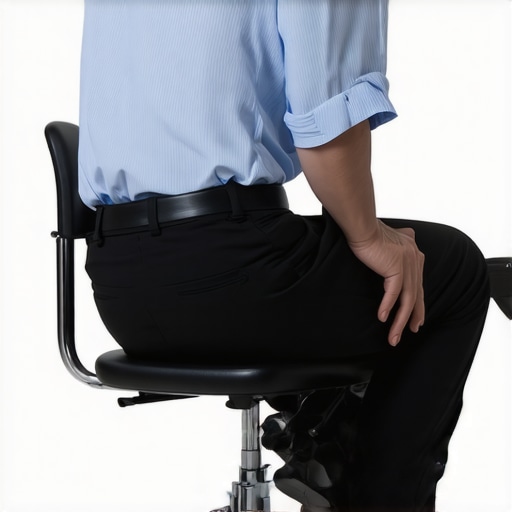
I still remember the sharp, sickening pop in my lower back like it happened yesterday. I was simply bending over to pick up a stray dog toy from the living room floor. In an instant, I was frozen in place, gripping the edge of the sofa, barely able to breathe. My immediate instinct was to waddle over to the microwave and heat up my trusty cherry-pit bag. I wanted that cozy, soothing warmth on my spasming muscles immediately. It felt like the right move, but it was actually the worst thing I could have done. I ended up bedridden for three days because I literally poured fuel on an active inflammatory fire. Today, we are going to settle this age-old debate so you never have to guess which temperature to use when your spine decides to rebel. We will look at exactly how to handle those terrifying first 48 hours after an injury and how making the right thermal choice can cut your recovery time in half.
Is applying heat immediately after a back tweak actually worth the risk?
No, and this is where so many of us go wrong in the heat of the moment. When you experience a sudden injury, your body’s natural defense mechanism is to flood the area with fluid to protect it, causing immediate inflammation. While a hot bath or a heating pad feels incredibly comforting to tight muscles, heat actually dilates your blood vessels. This dilation draws even more fluid to the site, worsening the swelling and throbbing deep inside your tissues. According to clinical consensus shared by healthcare experts, using heat on an acute injury within the first 48 hours can significantly delay healing by exacerbating tissue congestion. If you want to find relief without making things worse, you need to know how to use heat and ice for maximum relief. When my back first went out, I did not understand this. I kept baking my lower back, wondering why the pain kept intensifying. It wasn’t until I learned about proper tissue recovery that I realized I was keeping myself injured. Have you ever made the mistake of putting a hot pack on a freshly thrown-out back, only to find yourself barely able to stand up the next morning? This common trap is easy to fall into, but once you understand the simple biology of your spine, you can confidently navigate your recovery. If you are struggling with ongoing soreness or stiffness, finding the right balance is key to revitalize your mobility and getting back on your feet. Let’s look at the actual science behind what cold therapy does to a fresh injury so you can stop the spasm before it takes over your week.
When your back muscles seize up, they act like a clamp on your blood vessels, restricting healthy circulation. Applying ice acts as a natural pump. When you cold-shock the tissue, the vessels constrict to push out pooled fluids. Once you remove the cold source, fresh, nutrient-rich blood rushes back into the area to begin rebuilding injured tissue. It is a simple vascular flushing mechanism that you can control right from your couch.
The Precise Ice Routine to Halt a Back Spasm
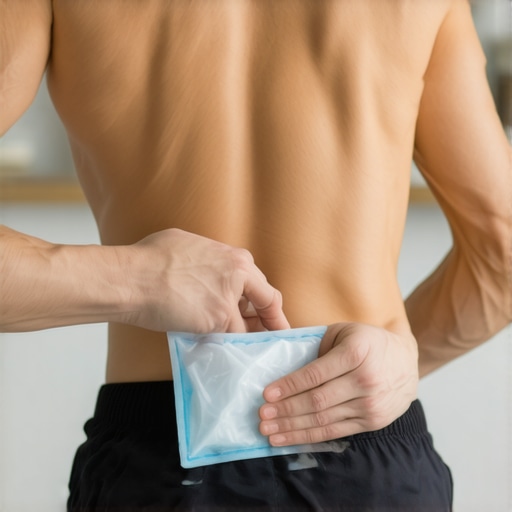
When my lower back locked up after that trivial dog toy incident, I finally put my heating pad away and grabbed a bag of frozen peas. I wrapped it in a damp kitchen towel to help conduct the chill and pressed it directly onto my lower lumbar spine. Within ten minutes, the sharp, electrical spasms began to dull into a manageable ache. Here is exactly how to replicate that relief without causing skin damage or rebound tension.
Wrap the Cold Source and Protect Your Skin
Never apply a raw ice pack or frozen gel bag directly to your bare skin. This can cause local tissue injury or mild frostbite, which triggers a secondary inflammatory response. Instead, use a damp, thin cotton towel. The moisture in the towel acts as a rapid thermal conductor, allowing the cold to penetrate deep into the spinal joints quickly while still protecting the outer dermal layers.
If you are struggling with upper spine issues alongside your lower back tension, you may also need targeted advice. Learning an effective neck pain management a step by step guide can help you address tension in your cervical spine while your lower back recovers. The key is applying localized cold to the exact origin of the spasm.
Keep Sessions Under Twenty Minutes
Your body has a natural survival reflex called the Hunting Reaction. If you leave cold therapy on an area for longer than twenty minutes, your blood vessels will suddenly dilate in an attempt to keep the tissue from freezing. This brings a rush of inflammatory fluid back to your injury, defeating the entire purpose of the ice. Set a timer for fifteen minutes, remove the pack, and wait at least an hour before your next application to let your skin return to room temperature.
Keep Moving Gently Instead of Freezing in Place
The worst thing you can do while icing is to lie completely still on a soft mattress. Your muscles will tighten further around the cold area. To maintain healthy joint dynamics, pair your cold therapy with micro-movements. Gentle pelvic tilts or slow ankle pumps keep your nervous system from locking down. If you want to dive deeper into why movement is so crucial during recovery, check out these mobility mastery expert tips for back pain prevention and recovery. Keeping the joints lubricated with movement ensures your spine does not heal in a restricted, stiff position.
Transition to Heat Only When Stiffness Replaces Sharp Pain
Once you get past the initial 48-hour window, the sharp, knife-like pain of active inflammation should transition into a dull, heavy stiffness. This is your green light to introduce heat. Warmth will relax the guarded muscles and increase the elasticity of your ligaments. To get the balance right during this transition phase, you can read more about how to use heat and ice for maximum relief. Using heat too early will set you back, but timing it right will restore your flexibility beautifully.
When my lower back locked up and forced me into a painful, bent-over waddle, I believed the ultimate universal myth: if it hurts to move, you must lie perfectly still. For years, well-meaning friends and outdated medical pamphlets told us that bed rest is the golden key to spinal healing. I thought I was protecting my discs by staying glued to the mattress for three straight days. In reality, I was practically begging my spinal joints to freeze in place and prolonging my agonizing recovery. Modern spinal research has completely flipped this old-school philosophy on its head.
The Traps of Prolonged Bed Rest and Muscle Splinting
Everyone says to take it easy and stay in bed when your back goes out, but in my experience, complete immobilization works much worse than gentle, controlled movement. When you stay completely still, your body engages in a protective mechanism known as “muscle splinting.” Your brain perceives the spinal tissue injury as a major threat and commands the surrounding muscle groups to lock down tight like a natural cast. While this prevents further immediate damage, keeping those muscles locked for days starves your spinal discs of vital nutrients and oxygen, which only circulate through motion.
The real warning trap to avoid is confusing passive rest with actual recovery. A landmark study published in the New England Journal of Medicine confirmed that patients who maintained active, gentle mobility recovered significantly faster and experienced less chronic stiffness than those prescribed strict bed rest. By freezing in place, you allow cellular debris to pool around your spinal joints, turning minor tissue irritation into a chronic, weeks-long ordeal. To break this cycle, you need to active-pump the tissues with safe, micro-movements.
Why does stretching your hamstrings feel good but actually make your lower back pain worse?
This is the ultimate hidden nuance that catches even experienced fitness enthusiasts completely off guard. When your lower back is tight, your immediate instinct is to bend forward and stretch your hamstrings. It feels like a relieving release in the moment, but you are actually falling into a dangerous biomechanical trap. Often, tight hamstrings are not the cause of your back pain; rather, they are hyper-toned and locked-long to prevent your pelvis from tilting further and destabilizing your lumbar spine. Stretching them removes that critical stabilization, forcing your lower back to absorb even more mechanical stress. If you want to understand these subtle muscle interactions better, you should learn why stretching your hamstrings wont fix your lower back pain to protect your spine from accidental wear and tear.
If you are also dealing with nagging discomfort further up your spine, you might be overlooking how your daily habits contribute to the issue. Adjusting your workspace and realizing how your laptop height is ruining your middle back mobility can make a massive difference in your overall alignment. Once you stop stretching the wrong muscle groups and start focusing on structural balance, your recovery times will plummet. Have you ever fallen into this trap of over-resting or stretching through the pain, only to feel worse the next day? Let me know in the comments below.
Once you break free from the cycle of over-resting and stop chasing temporary relief with incorrect stretches, you enter the maintenance phase. This is where my personal routine completely shifted from reactive panic to proactive strength. I spent years trying every gadget on the market, but true spinal resilience came down to a few highly specific tools and one non-negotiable daily practice that keeps my joints moving fluidly.
The Non-Negotiable Tools in My Spinal Toolkit
I do not believe in cluttered closets full of unused fitness gear. Instead, I rely on two simple, inexpensive items every single day. The first is a high-density, double-lacrosse massage ball (often called a peanut ball). Unlike a foam roller, which is too wide to target the intricate muscles around your spine, the peanut ball cradles your spinous processes while applying direct pressure to the deep erector spinae muscles. I use this tool specifically to target stubborn knots, much like learning how to use a tennis ball to melt away mid-back knots to release tension after long hours at my desk.
My second essential tool is a simple loop resistance band. I use it to perform glute bridge variations that wake up my posterior chain before I lift anything heavy. If you have a history of severe lower back sensitivity, using a modified bridge can activate your stabilizing muscles without putting unnecessary shear force on your lumbar discs. You can easily integrate the hip bridge modification for severe lower back sensitivity into your morning routine to build a bulletproof foundation.
How do I maintain spinal mobility over years of desk work?
The secret is consistency and progressive adaptation. You cannot expect a weekly massage or a monthly adjustment to undo forty hours of static sitting. I treat my spinal health like dental hygiene. Every morning, before I even pour my coffee, I perform a five-minute movement routine. I start with a modified cat-cow stretch to lubricate the joints, then move into a gentle pelvic tilt series. According to physical therapist and mobility pioneer Dr. Kelly Starrett, author of Becoming a Supple Leopard, maintaining joint range of motion requires daily, active end-range mobilization rather than passive stretching. This philosophy completely changed how I approach my hips and lumbar spine.
In the coming years, I predict we will see a massive shift away from passive, vibration-based recovery gadgets toward bio-feedback wearable sensors that alert you the moment your spinal alignment degrades during the day. Until that technology becomes mainstream, your best defense is a structured routine. To set yourself up for long-term success, I highly recommend starting with the morning spinal hygiene routine every desk worker needs to keep your joints moving smoothly.
If you want to take your recovery to the next level today, my challenge for you is to skip the hamstring stretches tomorrow morning and try the peanut ball or tennis ball technique on your mid-back instead. Notice how your body responds to targeted, localized pressure rather than global bending.
3 Myths About Back Pain That Held Me Back for Years
When you are in the thick of a spinal flare-up, advice comes at you from every direction. It took me a long time to separate the well-meaning myths from actual clinical science. First, I used to think pain meant ongoing tissue damage. In reality, once the acute phase passes, lingering discomfort is often just your nervous system remaining hyper-vigilant. Second, I believed that a stronger core was the ultimate shield against injury. I spent hours on planks and crunches, only to realize that why your core strength isn’t stopping your back from hurting comes down to coordination and hip mobility rather than raw abdominal muscle power. Finally, I thought my spine was a fragile stack of teacups that needed constant protection, when it is actually an incredibly resilient structure designed to bend, twist, and absorb impact.
The Simple Tools I Trust to Keep My Joints Moving
You do not need an expensive home gym to maintain an active, pain-free lifestyle. Over years of trial and error, I have narrowed my daily maintenance tools down to three highly effective items. I rely on a standard tennis ball or lacrosse ball for targeted myofascial release to melt away muscle knots. I also keep a set of resistance loop bands nearby to wake up my glutes and hips before any physical activity. For my desk setup, I threw out the complex lumbar cushions and simply adjusted my seating height. Finding the specific chair height that stops mid-back burning has done more for my daily posture than any high-tech ergonomic gadget ever could.
Take Control of Your Spinal Health and Keep Moving
Recovering from a severe back spasm is not just about surviving the first 48 hours; it is about building a body that can handle the unpredictable movements of daily life. By understanding when to apply cold, rejecting the trap of prolonged bed rest, and moving away from passive recovery, you take the driver’s seat in your own healing journey. Incorporating targeted practices like a structured morning spinal hygiene routine every desk worker needs will build the resilience you need to prevent future setbacks. Your body is designed to move, so give it the right environment to do exactly that.
Have you ever tried to stretch your way out of a lower back spasm only to make it worse? Let me know your experience in the comments below.