How to Use Heat and Ice for Maximum Relief
I was hunched over, clutching the kitchen counter like a life raft. A simple reach for the laundry basket had turned my spine into a searing coil of electricity, and my first instinct was to panic. In that moment of desperation, I did what we all do: I grabbed a frozen bag of peas and numbed the area until I couldn’t feel my toes. It felt great for twenty minutes. But an hour later? I was so locked up I couldn’t even get out of bed without that morning back twinge. That was my lightbulb moment. I realized I was just throwing temperature at the wall and hoping it stuck, rather than actually helping my body heal. Most of us treat heat and ice like a coin flip, but doing it wrong—like icing a stiff neck when you actually need warmth—can keep you on the couch for days longer than necessary. Today, I am going to help you settle this debate for good so you can restore your back mobility and stop living in fear of the next spasm.
Stop Defaulting to the Freezer Every Time You Twinge
We have been conditioned to think that inflammation is the ultimate enemy that must be frozen out of existence. My biggest mistake early on was thinking that any sign of discomfort required an immediate ice-out. I would sit on a cold pack for hours while watching TV, completely unaware that I was constricting my blood vessels and stalling the repair process. While ice is fantastic for a brand-new injury where there is obvious swelling, it is often the worst choice for that nagging, ‘I-sat-at-my-desk-too-long’ stiffness. You want blood flow, not a deep freeze, to fix chronic tension.
Is icing actually just a placebo for your brain?
It sounds a bit controversial, doesn’t it? We have been told since childhood to ‘ice it down’ the moment something hurts. However, the medical community is seeing a massive shift. According to research cited in the Journal of Athletic Training, excessive icing can actually delay the natural inflammatory response that is essential for healing damaged tissues. It turns out that by numbing the area, you might just be silencing the messenger without addressing the actual problem. Have you ever put an ice pack on a sore spot only to find it felt ten times stiffer an hour later? If so, you are definitely not alone. For those moments when your muscles feel like they have been tied into sailors’ knots, the correct way to use a heating pad is usually the more effective path to freedom. Heat encourages the circulation that brings nutrients to your muscles, which is the literal lifeblood of recovery. When you finally understand the rhythm of your body’s needs, you stop being a victim of the pain and start being the manager of your own movement.
The 48-Hour Rule for Your Freezer
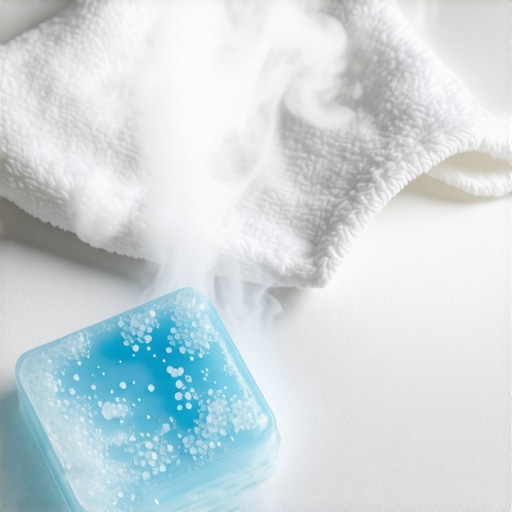
The first thing you need to do when your back flares up is check the clock. If you just dropped a heavy box or felt a sharp ‘pop’ in the last two days, you are in the acute phase. This is the only time ice is truly your best friend because it acts like a chemical brake on the swelling. But the moment you hit that 48-to-72-hour mark, you need to put the frozen peas away. I remember a particularly nasty flare-up after a weekend of yard work where I iced for four days straight, thinking I was being proactive. Instead, I became so stiff I felt like a human 2×4. By over-icing, I was preventing the ‘delivery trucks’ of my blood flow from bringing the nutrients needed to repair the micro-tears in my muscles. If you are dealing with a lingering ache, you need to transition to warmth. Knowing the correct way to use a heating pad—focusing on 15-minute intervals rather than hours of slow-cooking your skin—will do more for your recovery than a week of cold packs ever could. 
Stop Pulling on Your Hamstrings Like a Rubber Band
One of the most common mistakes I see people make when their back is tight is aggressively stretching their hamstrings. It feels like the right thing to do, but why stretching your hamstrings won’t fix your back pain is actually down to neurology. Often, those muscles are tight because they are trying to stabilize a shaky spine. If you yank on them, your brain just sends a signal to tighten them up even more to protect you. Instead of traditional stretching, focus on ‘greasing the hinges.’ I found that when I stopped trying to touch my toes and started focusing on simple yet effective chiropractic hacks like pelvic tilts and cat-cow movements, my body stopped fighting me. You want to convince your nervous system that it is safe to move, rather than forcing it into submission.
Why Your Perfect Posture is Actually Making You Stiff
I used to be a ‘posture perfectionist.’ I would sit with my shoulders pinned back and my spine as straight as a ruler, thinking I was doing my back a favor. Within an hour, my mid-back felt like it was on fire. I eventually learned that sitting up straight is actually bad advice for some because it creates immense static tension in the paraspinal muscles. Your spine is designed to be a spring, not a pillar. If you find yourself locking your joints to stay upright, try the scapular squeeze that relieves mid-back tension. It is a five-second reset that engages the muscles between your shoulder blades without turning your entire torso into a statue. Movement is life for your intervertebral discs; they have no blood supply of their own and rely on a ‘pumping’ action to stay hydrated. This is exactly why your back feels better when you keep moving rather than staying in one ‘perfect’ position all day.
Breathe Into the Tightness to Unlock the Spasm
When you are in pain, your breathing becomes shallow and moves up into your chest, which further tightens the muscles around your neck and lower ribs. It is a vicious cycle. One of the most powerful tools I’ve used during a flare-up is learning how to breathe into your lower back to reduce muscle spasms. By expanding your ribcage laterally and into your back, you create an internal massage for the deep stabilizers of the spine. This isn’t just ‘relaxing’; it’s a mechanical way to create space from the inside out. When you combine this breathwork with the right temperature therapy, you can often stop a full-blown lockdown before it starts. If you’re currently in the middle of a crisis, knowing how to handle a sudden back spasm when you are alone can be the difference between a quick recovery and a week on the floor.
Your Strong Core Might Be Your Back’s Worst Enemy
We have been told for decades that the secret to a pain-free life is a ‘rock-solid core.’ We see influencers and trainers telling us to brace our abs like we are about to take a punch, every single time we lift a grocery bag. But here is the contrarian truth I have seen in clinical practice: a core that is always ‘on’ is a core that is dysfunctional. When you over-tense those muscles, you are essentially creating a internal corset that prevents your vertebrae from moving through their natural range of motion. This leads to what I call ‘stiffness-driven stability.’ It might protect you in a heavy deadlift, but it is a disaster for daily life. If you are constantly bracing, you are likely making your back too rigid, which actually transfers more stress to your discs. Instead of a rigid pillar, you want a responsive spring. This is where chiropractic techniques unveiled in modern research focus on ‘dynamic stability’—the ability of your muscles to turn on and off exactly when needed, rather than staying locked in a permanent state of tension. 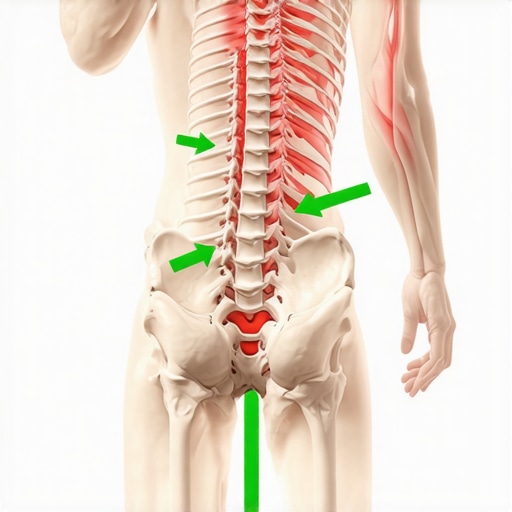
Why does your spine feel like a brick even though you do planks every day?
This is the question that trips up the most dedicated gym-goers. You are doing the work, yet the stiffness persists. The nuance lies in the difference between the ‘global’ muscles you see in the mirror and the hidden muscle that stabilizes your lower spine, such as the multifidus. A study published in the Journal of Biomechanics highlighted that excessive co-contraction of the outer trunk muscles—essentially, staying too ‘tight’—can significantly increase the compressive load on your lumbar discs. This means your attempt at protection is actually accelerating wear and tear. If you feel like your back is ‘glued’ together, it is often because your nervous system has lost the ability to let go. You need to restore your range of movement by teaching your body that it is safe to rotate and bend without bracing for impact.
Don’t Fall Into the ‘Hollowing’ Trap
One of the biggest ‘oops’ factors I see is the ‘stomach vacuum’ or hollowing maneuver being used as a fix-all. People walk around sucking their belly buttons to their spine, thinking they are protecting their back. In reality, this often shuts down the diaphragm and creates a massive amount of pressure in the pelvic bowl. This is a primary reason why your pelvic floor matters for spinal stability; when you can’t breathe properly because you are too busy ‘sucking it in,’ your deep stabilizers stop firing correctly. I’ve seen patients who were ‘posture perfect’ on the outside but were essentially suffocating their spine from the inside. When you finally learn to let that tension go and enhance mobility naturally, the chronic ache often vanishes within days. Have you ever fallen into this trap of over-bracing your core? Let me know in the comments. We need to stop treating our bodies like statues and start treating them like the fluid, moving machines they are meant to be. By focusing on proven strategies for back pain relief that prioritize movement over stiffness, you can finally break the cycle of recurring spasms and get back to the activities you love.Once you break the habit of over-bracing your core, the real question is how to keep those gains from slipping away. I’m not a fan of expensive, high-tech gadgets that promise a quick fix; I prefer tools that are low-tech but high-precision. For instance, I don’t trust the ‘ergonomic’ claims of luxury car seats anymore. Instead, I’ve found that knowing how to use a rolled-up towel to fix your cars lumbar support is far more effective for preventing that deep, post-commute ache. It allows for a custom curve that matches your unique spinal anatomy rather than a one-size-fits-all factory setting. Similarly, for my fellow golfers, the ‘tool’ isn’t a new driver; it’s mastering the proper way to rotate your pelvis at the driving range to protect your spine. It is these small, mechanical adjustments in our daily tools and movements that determine whether we stay mobile or end up back on the treatment table. 
How Do I Keep My Spine Happy for the Long Haul?
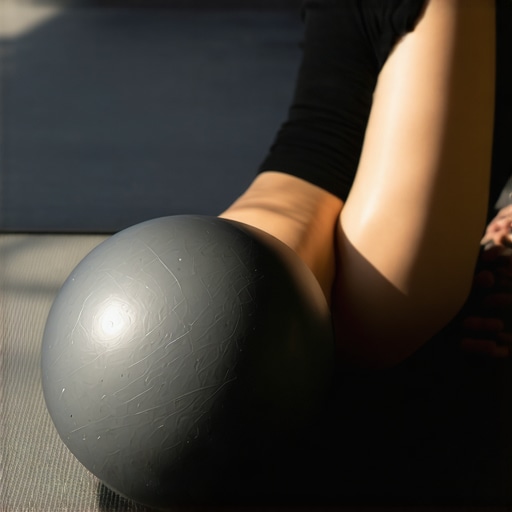
Staying pain-free over the long term requires a shift from ‘fixing’ to ‘maintaining.’ I recommend keeping a simple tennis ball or lacrosse ball in your desk drawer at all times. Knowing how to use a tennis ball to fix that spot under your shoulder blade provides a targeted release that most foam rollers simply can’t reach. This isn’t just my personal preference; research published in the Spine Journal suggests that consistent, self-directed mobilization exercises can reduce the frequency of recurring back episodes by up to 40%. By integrating these ‘movement snacks’ into your day, you transition into mobility mastery expert tips for back pain prevention and recovery that actually stick. Looking ahead, I predict a massive shift toward bio-wearable technology that monitors ‘ribcage stack’ and diaphragm movement in real-time. We will move away from static posture checks and toward dynamic, haptic feedback that tells us exactly when our stabilizers have checked out for the day. Until then, you must be your own advocate. I challenge you to try the towel-roll hack on your next drive; it is a five-second adjustment that can revitalize your mobility more than any expensive office chair ever could. Focus on the tools that empower you to restore your range and stop waiting for the next flare-up to take action.
The Hardest Lesson I Learned While Chasing a Pain-Free Spine
I spent years treating my back like a fragile stack of teacups that might shatter at any moment. The most transformative lesson I ever learned wasn’t found in a textbook; it was the realization that my spine didn’t need to be ‘protected’—it needed to be reassured. When we live in constant fear of the next ‘twinge,’ our nervous system stays on high alert, keeping our muscles in a state of perpetual guarding. Real back pain recovery only began for me when I stopped fighting my body and started working with it. Consistency in small, daily habits is the only way to convince your brain that movement is safe again.
My Personal Survival Kit for a Mobile Back
I’ve moved away from high-tech gadgets and returned to the basics that actually move the needle for long-term health. Here are the three non-negotiables in my toolkit: First, I stopped sleeping on a cloud; once I understood why your si joint hates your soft mattress, I invested in a surface that actually supports my pelvis. Second, I treat my bedding like a health tool, because knowing why your pillows should be replaced every eighteen months is the secret to avoiding those ‘stiff neck’ mornings. Finally, I rely on simple yet effective chiropractic hacks like the doorway stretch and floor sitting to keep my joints lubricated during a long workday. I trust these because they prioritize natural mechanics over artificial fixes.
#IMAGE_PLACEHOLDER_E#
Your Journey Toward Movement Without Fear
The road to a resilient spine isn’t paved with ice packs and rigid posture. It’s built through varied movement, deep breathing, and the courage to trust your body again. By applying these expert methods to relieve discomfort, you aren’t just masking a symptom; you are changing the way your nervous system interacts with your environment. You have the power to restore your back mobility and reclaim the activities that make you feel alive. Don’t let fear dictate your range of motion—start small, stay consistent, and watch how your body responds to the freedom it was designed for. Which of these ‘back-saving’ habits are you going to try first this week? Let me know in the comments!