Why Your Core Strength Isn’t Stopping Your Back From Hurting
I was that guy. The one at the gym holding three-minute planks and crushing leg raises until my abs felt like a sheet of corrugated steel. I genuinely believed I was invincible, a fortress of stability. Then, one Tuesday morning, I dropped a single, lonely sock. As I leaned over to pick it up—nothing heavy, no weights involved—my lower back let out a pop so loud I thought a floorboard had snapped. I spent the next three days crawling to the bathroom. It was a wake-up call that humbled me fast: having six-pack strength doesn’t mean your spine is actually protected. I’ve since realized that many of us are building a fancy exterior on a foundation that doesn’t actually know how to move. Today, we are going to fix that disconnect and get you back to moving without fear.
Your Abs Are Strong But Your Spine Is Still Screaming
If you’ve been religiously following a workout routine and still find yourself stiff, you aren’t alone. One of the biggest mistakes I made early on was assuming that tension equaled protection. I would brace my midsection so hard during every movement that I actually lost the ability to breathe and move my hips independently. This constant rigidity actually puts more pressure on your discs. It’s often not a lack of power, but a lack of coordination. While you might be great at static holds, you might be making the bird dog mistake that puts stress on your spine by overextending during the movement. True stability is about the subtle timing of your muscles, not just how much weight you can move. According to research published in the Journal of Biomechanics, spinal stability is primarily a result of motor control—the way your brain recruits muscles in the right sequence—rather than just the absolute strength of the muscle fibers themselves.
Is a rock-solid core actually worth the hype if you are still in pain?
Skepticism is healthy here. You might wonder if all those gym hours were a waste. They weren’t, but you’ve likely been ignoring the supporting cast. I found out the hard way that why your glute medius is more important than your abs for back health is a lesson most of us skip until we can’t walk comfortably. When the hips and glutes don’t do their job, the lower back takes the hit, regardless of how many crunches you do. If you really want to find relief, you have to look at the whole picture, starting with understanding back pain a guide to better posture and mobility. Have you ever spent months getting ‘fit’ only to have your back go out while doing something as simple as brushing your teeth? Let me know if you’ve felt that same frustration—I’d love to hear your story. We need to stop treating our core like a rigid cage and start treating it like a dynamic shock absorber.
Turn Your Spine Into a Dynamic Shock Absorber
To stop the cycle of ‘pop and crawl,’ you have to stop treating your spine like a rigid piece of rebar and start treating it like a pressurized canister. Think of your torso as a soda can. When the can is pressurized and sealed, it can support a massive amount of weight. But if there is a leak in the pressure—or if the sides are dented—it collapses under the slightest load. Most of us are walking around with ‘leaky’ pressure because we don’t know how to breathe into your lower back to reduce muscle spasms effectively. I remember a specific session where I tried to lift a heavy laundry basket and felt that familiar twinge. I realized I was bracing my abs outward, but my back was hollow. By learning to expand my breath into my sides and lower back, I created a 360-degree ‘air shield’ that finally kept my vertebrae from grinding together.
Stop Holding Your Breath to Brace
The biggest mistake people make is ‘sucking it in.’ This actually narrows your base of support. Instead, you need to master the art of intra-abdominal pressure. Practice sitting tall and placing your hands on your lower ribs. Try to push your hands away with your breath without lifting your shoulders. This creates a natural internal belt. If you struggle with this, you might also find that the 10-second breath fix for rib pain can help reset your diaphragm’s position. When your diaphragm and pelvic floor are stacked and communicating, your spine doesn’t have to work nearly as hard to keep you upright. This is the missing link for people who find that why your lower back aches after standing for 10 minutes is a recurring theme in their lives.
Unlock Your Hips to Save Your Lower Back
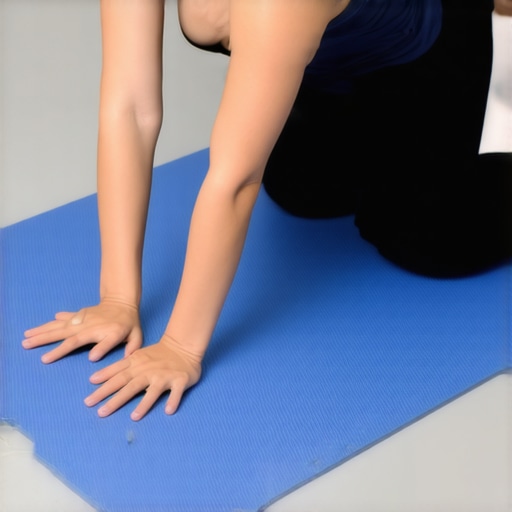
Your spine is often the victim, not the criminal. If your hips are locked up like a rusty gate, your lower back has to move to compensate for the lack of range. This is why I eventually moved away from standard sit-ups and moved toward movements that isolate the core while the limbs are moving. Specifically, the dead bug variation that actually fixes lower back instability became my go-to. I used to rush through these until a chiropractor pointed out that my ribs were flaring every time my leg dropped. Once I pinned my back to the floor and moved slowly, I felt a deep, shaking burn in muscles I didn’t even know I had. This type of motor control ensures your spine stays neutral while your legs do the heavy lifting. You should also focus on the pelvic tilt secret for effortless posture while walking to ensure you aren’t over-arching your back every time you take a step.
Fix the Foundation with Chiropractic Care
Sometimes, no matter how many exercises you do, the ‘wiring’ is off. If a vertebra is slightly misaligned or ‘stuck,’ your brain will send signals to the surrounding muscles to tighten up as a protective mechanism. This is where boost mobility ease pain chiropractic techniques unveiled can make a massive difference. An adjustment isn’t just about ‘cracking’ joints; it’s about resetting the nervous system so your muscles can finally let go of that chronic tension. I found that until I got my SI joint properly aligned, my glutes simply wouldn’t engage properly. It’s a common issue where why your glutes won’t fire and how to fix it becomes an impossible puzzle without structural help. Once the alignment is restored, your body can finally respond to the stability work you’re putting in, turning you from a fragile ‘strong guy’ into a truly resilient mover.
I used to spend twenty minutes every morning desperately trying to touch my toes, convinced that if I could just ‘loosen up’ my hamstrings, my back pain would vanish. It’s the most common advice in the fitness world: ‘Your back hurts because you’re tight.’ But here is the contrarian truth that changed everything for me: stretching a painful area is often like pulling on a knotted rope—it just makes the knot tighter. If your hamstrings feel like guitar strings, they might not be short; they might be under ‘protective tension.’ Your brain is literally holding them tight to act as secondary stabilizers because your core isn’t doing its job. This is exactly why stretching your hamstrings wont fix your lower back pain and might actually be making your instability worse.
Your SI Joint Might Be the Secret Saboteur
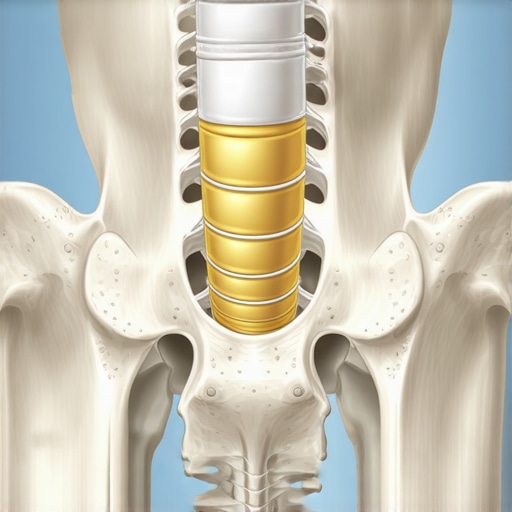
We often focus on the big muscles, but the real nuance lies in the tiny, gristly joints that connect your spine to your pelvis. I’ve seen so many people dive into high-intensity classes only to find that why your perfect yoga flow might be straining your si joint is the reason for their localized, sharp ache. When that joint is misaligned, no amount of ‘pigeon pose’ will fix it. In fact, aggressive stretching can over-lengthen the ligaments that are supposed to keep you stable. Dr. Stuart McGill, a world-renowned spine biomechanist, emphasizes that ‘clinical stability’ is often about *reducing* unnecessary range of motion in the spine to allow the hips to move more freely. Have you ever fallen into the trap of stretching more and more, only to feel stiffer the next day? Let me know in the comments.
Why does your spine feel ‘stuck’ despite all that mobility work?
The answer usually isn’t physical—it’s neurological. If you have been grinding through life with poor ergonomics, your nervous system is likely in a state of high alert. This is ‘the oops factor’ most beginners miss: they try to force mobility into a body that doesn’t feel safe. For example, many people think they need to stretch their neck, when in reality, they need to learn the nerve flossing technique for stubborn leg pain or neck tension. You aren’t stretching muscle; you are literally tugging on your nerves. If you do this too hard, the nerve responds by inflaming, leading to more pain. This is why restore your range how chiropractic care enhances movement is so effective—it addresses the structural ‘kink’ in the wire so the nervous system can finally relax.
The Warning About Inversion Tables
I get asked about inversion tables at least once a week. People love the idea of ‘decompressing’ at home, but there is a major trap here. If you have a true disc herniation or certain types of blood pressure issues, hanging upside down can actually increase internal pressure or cause the surrounding muscles to spasm in a ‘rebound’ effect. Before you buy expensive gadgets, you need to focus on mobility mastery expert tips for back pain prevention and recovery that focus on active stabilization. You want your body to be able to support itself against gravity, not just rely on a machine to pull you apart. True resilience comes from knowing how to relieve neck back discomfort using these expert methods while you are actually moving, not just while you are hanging like a bat. Start treating your mobility like a skill to be practiced, rather than a chore to be completed.
Moving from a ‘crisis management’ mindset to a ‘performance maintenance’ mindset was the single biggest shift in my recovery journey. When I was just chasing the pain, I was always one bad sneeze away from a relapse. Now, I treat my spine like a high-performance vehicle that needs regular tune-ups. This is exactly where back pain recovery how chiropractic care transforms lives by shifting the focus from putting out fires to preventing them in the first place. Think about it: you don’t wait for your engine to seize before you change the oil. Your nervous system deserves the same courtesy.
Stop Treating Your Chiropractor Like an Emergency Room
Most people only call for an appointment when they are already bent over at a ninety-degree angle. By that point, your body has already built up layers of compensation and inflammation. I’ve found that a monthly ‘alignment check’ prevents those micro-stresses from snowballing into a full-blown injury. This proactive approach is a cornerstone of how to enhance mobility naturally with chiropractic care. It’s about clearing the neurological ‘static’ before it causes a muscle spasm. A study published in the journal Spine suggests that patients who utilize maintenance spinal manipulative therapy experience significantly fewer days with bothersome symptoms compared to those who only seek care during symptomatic episodes.
How do I keep my spine resilient for the long haul?
Maintenance isn’t just about the office visits; it’s about what you do in the 23 hours you aren’t with a professional. I personally swear by a specific set of tools that keep the ‘rust’ from settling in. First, stop using your foam roller like a rolling pin on a piece of dough; you aren’t trying to flatten your muscles. Instead, use a localized trigger point ball for your glutes and traps. If you use vibration therapy, make sure you know how to use a massage gun on your lower back safely to avoid aggravating your kidneys or bony prominences. 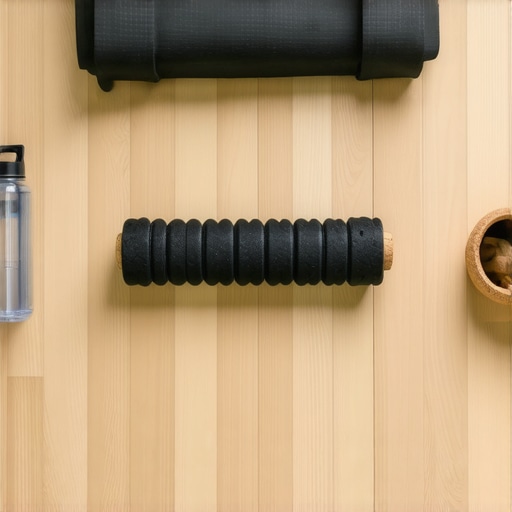
The Gear That Actually Earns a Spot in My Gym Bag
I’ve tried every gadget on the market, from expensive electrical stimulators to those weird posture shirts. Most of it is fluff. However, a simple lumbar roll for my car seat and a high-quality wedge for my desk chair changed the game. These tools aren’t ‘crutches’—they are environmental supports that prevent your tissues from deforming under constant gravity. This is why I always tell people to check out the morning spinal hygiene routine every desk worker needs. It’s about building a fortress around your health through small, repeatable habits. Looking forward, I predict the next decade of spinal health will be dominated by wearable biofeedback sensors that alert you the moment your pelvic tilt shifts into a high-risk zone during a lift. We are moving away from ‘guessing’ why we hurt and toward real-time data that keeps us safe. If you want to start seeing results today, I challenge you to try the pelvic tilt trick for instant lumbar relief every single time you stand up from your desk today. Don’t wait for the pain to return to start caring for your structure.Moving from a ‘crisis management’ mindset to a ‘performance maintenance’ mindset was the single biggest shift in my recovery journey. When I was just chasing the pain, I was always one bad sneeze away from a relapse. Now, I treat my spine like a high-performance vehicle that needs regular tune-ups. This is exactly where back pain recovery how chiropractic care transforms lives by shifting the focus from putting out fires to preventing them in the first place. Think about it: you don’t wait for your engine to seize before you change the oil. Your nervous system deserves the same courtesy.
Stop Treating Your Chiropractor Like an Emergency Room
Most people only call for an appointment when they are already bent over at a ninety-degree angle. By that point, your body has already built up layers of compensation and inflammation. I’ve found that a monthly ‘alignment check’ prevents those micro-stresses from snowballing into a full-blown injury. This proactive approach is a cornerstone of how to enhance mobility naturally with chiropractic care. It’s about clearing the neurological ‘static’ before it causes a muscle spasm. A study published in the journal Spine suggests that patients who utilize maintenance spinal manipulative therapy experience significantly fewer days with bothersome symptoms compared to those who only seek care during symptomatic episodes.
How do I keep my spine resilient for the long haul?
Maintenance isn’t just about the office visits; it’s about what you do in the 23 hours you aren’t with a professional. I personally swear by a specific set of tools that keep the ‘rust’ from settling in. First, stop using your foam roller like a rolling pin on a piece of dough; you aren’t trying to flatten your muscles. Instead, use a localized trigger point ball for your glutes and traps. If you use vibration therapy, make sure you know how to use a massage gun on your lower back safely to avoid aggravating your kidneys or bony prominences. #IMAGE_PLACEHOLDER_E#
Three Hard Truths About Spinal Resilience
I spent years thinking I was doing everything right, but I was just repeating the same mistakes with higher intensity. First, tension is not the same as stability. If you are constantly ‘on,’ your spine is constantly compressed. Learning to relax is just as important as learning to brace. Second, the small muscles you can’t see in the mirror—like the multifidus—are the real heroes of back health. They are the ones that react in milliseconds to keep your vertebrae safe. Finally, you have to stop fearing movement. Guarding your back by moving like a robot actually creates more stiffness. You need to move through ranges of motion that feel safe to remind your brain that you aren’t broken.
The Personal Arsenal for Daily Mobility
I don’t leave my house without a few essentials that keep my structure sound. I highly recommend a firm lacrosse ball or trigger point ball for releasing the glute medius; it’s more precise than a foam roller and hits the spots that actually cause lower back pull. I also swear by the Stuart McGill ‘Back Mechanic’ book, which is the gold standard for understanding how to move without pain. For anyone working at a desk, a simple lumbar roll is non-negotiable. It keeps your natural curve intact so your discs don’t have to bulge backward under the weight of your slumped posture. These tools, combined with mobility mastery expert tips for back pain prevention and recovery, provide a buffer against the daily grind.
Your Next Chapter of Movement
Recovery isn’t a straight line, but it shouldn’t be a circle either. If you find yourself back at square one every three months, it’s time to stop looking at the symptoms and start looking at the system. Whether it’s learning how to tell if your back pain is serious or finally committing to restore your range how chiropractic care enhances movement through regular adjustments, your future self will thank you for being proactive. You deserve to live a life where you don’t have to think twice before picking up your kids or hitting the golf course. It’s time to stop managing back pain and start reclaiming your life. Have you noticed a specific movement that always seems to trigger your discomfort? Let me know in the comments below!