Why your thumb pain might be coming from your neck
I was sitting at my kitchen table, desperately massaging my left thumb, convinced I had developed early-onset arthritis or some bizarre texting injury. Every time I tried to pinch a piece of paper or grip my morning mug, a sharp, annoying ache flared right at the base of my hand. I bought splints, smeared on smelly creams, and even tried to learn how to type with my knuckles. Nothing worked. It was only when I finally lay down on a chiropractic table that the real culprit was unmasked. The doctor didn’t even touch my hand; instead, he gently pressed a spot on the side of my neck, and suddenly, my thumb tingly-ached in response. It was a massive lightbulb moment: my hand wasn’t the problem at all.
The Sneaky Nerve Highway from Your Spine to Your Hand
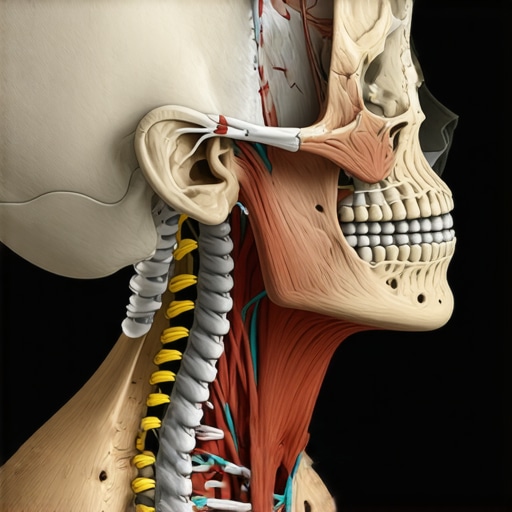
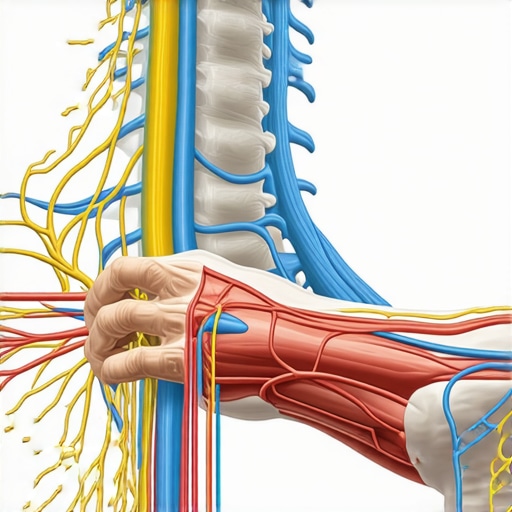
It sounds crazy, but your body is wired like an old house with complicated electrical circuits. The nerves that give your thumb and fingers the ability to feel, grip, and move actually originate in your cervical spine (your neck). When a joint in your neck gets stiff, misaligned, or inflamed, it can pinch or irritate those nerve roots. This is why we so often adjust your neck to fix your numbness and localized hand pain. If you have been treating your thumb for weeks without any improvement, we need to stop looking at the branch and start looking at the root of the tree.
Is This Real or Are Chiropractors Just Obsessed with Necks?
It is incredibly common to feel skeptical about this connection. After all, your neck might not even hurt! But referred pain is a well-documented neurological phenomenon. According to research published by the National Institutes of Health, cervical radiculopathy frequently mimics localized hand conditions like carpal tunnel syndrome or localized joint strain, leading to massive frustration and wasted treatment time for patients. Early on in my own wellness journey, I made the mistake of ignoring my posture and focus solely on symptom-level stretching. I spent months doing wrist extensions when I actually needed to learn the chin tuck drill to combat tech neck. Have you ever spent weeks treating a pain in one part of your body, only to find out the source was completely somewhere else? Let me know in the comments below, because I know I can’t be the only one who has fallen into this trap.
How to Track Down the Root of Your Hand Pain
To stop chasing the symptoms and start fixing the real issue, you have to trace the pain backward. Think of your nervous system as a garden hose. If water isn’t coming out of the nozzle, you don’t buy a new nozzle; you walk backward along the hose to find where it is kinked. In my case, I spent weeks squeezing stress balls and icing my knuckles, which only made the inflammation worse. Once I realized the kink was in my cervical spine, I shifted my focus entirely. Here is the exact three-step sequence to identify if your hand or wrist pain is actually a silent neck issue, and how to start resolving it safely.
Map Your Symptoms Beyond the Pain Point
First, we need to map the territory. Grab a piece of paper and write down exactly when and where your symptoms flare up. If you experience tingling, numbness, or a dull ache that seems to wander from your thumb up into your forearm, your wrist is likely completely innocent. I remember tracking my own discomfort during a busy week of writing. I noticed the pain in my thumb didn’t flare up when I was actively using my hands to cook or lift weights, but rather when I sat slumped at my desk staring at a low screen. Your daily habits are the ultimate clue. If you notice a deep burn after hours of computer work, you are likely suffering from postural strain that compresses the cervical nerve roots. Learn how to adjust your monitor to stop the 4 pm neck burn to immediately relieve that downward pressure on your spinal nerves.

Test Your Neck Mobility Daily
Next, you must assess how your neck movement affects your hand symptoms. Sit up straight, relax your shoulders, and slowly tuck your chin backward like you are trying to make a double chin. Hold this for a few seconds. If you feel a pulling sensation in your upper back or if the tingling in your hand shifts, changes intensity, or completely disappears, you have just proven the connection. This is called centralization. When I first tried a similar movement, my thumb throbbed intensely for two seconds before suddenly feeling warm and loose. This response is a classic indicator of cervical nerve involvement. To build on this connection and find lasting relief, check out how to relieve neck back discomfort using these expert methods that target the joints housing these delicate nerve pathways.
Decompress the Nerve Pathways Safely
The final phase is physical decompression. You cannot force a pinched nerve to behave by aggressively rubbing the muscle over it. Instead, you must gently create space between the spinal discs where the nerve exits. To do this, incorporate gentle, targeted movement patterns into your daily routine. When I was recovering, I made the mistake of trying to aggressively stretch my neck sideways, which actually pinched the nerve even tighter and left my hand numb for an entire afternoon. It was a messy, painful lesson. I learned that gentle, repetitive extension and subtle alignments are infinitely more effective than deep, static stretches. For a safe, comprehensive routine that restores natural joint spacing, explore this effective neck pain management a step-by-step guide to keep your spine aligned and your hands completely pain-free.
When you start analyzing physical pain from a systemic perspective, you quickly realize how much conventional advice misses the mark. Most people are taught that if something hurts, you should stretch it, ice it, or rub it. But the human body is far more complex. If you have been aggressively massaging your hand or stretching your wrist with zero relief, you are likely treating a phantom symptom. Let’s dig deeper into the actual biomechanics of spinal nerve compression and the common traps that keep people in a cycle of chronic discomfort.
The Core-Strength Fallacy and Other Spinal Myths
Everyone tells you that building a bulletproof core is the ultimate shield against back pain, or that stretching your neck daily will melt away your tension. In my clinical experience, this is where most self-treatment plans fail miserably. If you have an active cervical nerve compression, aggressive static stretching is like pulling both ends of a knotted rope; it only makes the pinch tighter. A study published in the Journal of Orthopaedic & Sports Physical Therapy highlights that mechanical traction and targeted manual therapy outperform general stretching protocols for cervical radiculopathy. Instead of forcing mobility on a joint that is actively protecting a nerve, we must focus on gentle alignment and decompression first. For a better approach to spinal health, you need to understand how to restore your range with chiropractic care before trying to force muscles to loosen up.
Are You Making Your Nerve Compression Worse with the Wrong Exercises?
One of the most common mistakes I see patients make is performing aggressive postural corrections. For example, the standard advice to combat slouching is to tuck your chin as hard as possible. But if done incorrectly, this movement actually increases pressure on the lower cervical discs, compressing the exact nerves that travel down to your hands. This is the classic chin tuck mistake that is making your neck pain worse. When you try to force your body into what you think is perfect posture without addressing existing joint subluxations, your nervous system responds by tightening the surrounding muscles to protect the spinal cord. It is a protective spasm, not a weakness issue. You cannot strengthen your way out of a joint alignment problem.

Another massive trap is relying on standard core exercises under the assumption they will fix your upper body alignment. While a strong trunk is important, your core strength isn’t stopping your back from hurting if your cervical spine is constantly sheared forward by your daily desk habits. Real, lasting relief requires a structured, expert approach. To stop guessing and start healing, explore these essential chiropractic tips for neck pain relief that target the root cause of nerve irritation. Have you ever fallen into this trap of aggressively stretching a painful spot only to make it worse? Let me know in the comments below, because sharing these patterns is how we all learn to heal smarter.
When you finally manage to relieve that frustrating thumb and hand pain by addressing your cervical spine, the immediate feeling is nothing short of miraculous. However, the real work lies in making sure that pain never returns. I learned the hard way that a single successful adjustment or a week of great posture isn’t a permanent shield. If you return to your old habits, those delicate nerve pathways will compress all over again. To prevent this, I turned my home office into a proactive laboratory for spinal hygiene, testing every ergonomic tool on the market to find out what actually keeps the nerve channels open.
How do I maintain my spinal mobility and hand comfort over time?
The secret to long-term spinal health is consistency and using tools that actively encourage natural movement rather than static restriction. In my daily routine, I rely heavily on a high-quality split ergonomic keyboard combined with a vertical mouse. Traditional keyboards force your forearms to pronate and your wrists to bend outward, which sends tension straight up your arms to your shoulder blades and neck. By switching to a split keyboard, I can keep my hands at a natural shoulder-width distance, drastically reducing the mechanical strain on my cervical nerve roots. Additionally, I set a physical timer on my desk for every 45 minutes to perform a simple movement break, ensuring my joints never sit static for too long. If you want to build your own robust daily defense system, explore these essential chiropractic tips for neck pain relief to establish your baseline health.

Beyond ergonomic hardware, I highly recommend adopting a dedicated routine of active nerve mobilization. This isn’t about deep, aggressive stretching, which can actually aggravate healing tissues. Instead, I use gentle nerve flossing techniques designed specifically for the upper extremities. Think of it as gently pulling a thread through a needle to keep the nerve sliding smoothly through the surrounding muscles and fascia. For those who spend hours typing, mastering the correct desk habits is vital. You can easily integrate these patterns by learning how to sit at your desk with zero back fatigue, keeping your whole spine properly stacked from your lumbar region up to your head.
Looking ahead, I predict that the future of spinal wellness will shift heavily toward bio-reactive workplace technology. We are already seeing the emergence of smart wearable sensors and AI-driven camera systems that analyze your head posture in real-time and gently remind you to realign before a nerve gets pinched. Until those tools are commonplace, however, we must rely on conscious habits and expert guidance. If you are ready to take control of your alignment today, I highly encourage you to try the vertical mouse transition this week—it is an absolute game-changer for hand and wrist tension. To fully understand how these subtle daily adjustments impact your entire body, read about the deep connection between neck pain and spinal health.
When you start analyzing physical pain from a systemic perspective, you quickly realize how much conventional advice misses the mark. Most people are taught that if something hurts, you should stretch it, ice it, or rub it. But the human body is far more complex. If you have been aggressively massaging your hand or stretching your wrist with zero relief, you are likely treating a phantom symptom. Let’s dig deeper into the actual biomechanics of spinal nerve compression and the common traps that keep people in a cycle of chronic discomfort.
The Hardest Lesson I Learned About Chasing Pain Down My Arm
For months, I fell into the classic trap of treating my hand as an isolated island. I wasted hours squeezing grip trainers and rubbing menthol creams into my wrist joint, thinking I was just dealing with overuse. Here are the core realizations that completely shifted my perspective:
- The pain site is often just the messenger: Your nervous system acts like a continuous electrical circuit; pinching a cord at the neck lightbulb can cause the outlet at your hand to flicker.
- Aggressive stretching can trigger protective spasms: When a nerve is irritated, forcing deep static stretches actually causes your body to tighten up to protect the spinal cord.
- True recovery requires spinal alignment: You cannot strengthen or rub your way out of a mechanical joint restriction in your cervical spine.
By understanding these hidden neurological patterns, I finally stopped treating the branch and focused on restoring the health of the trunk.
My Essential Daily Toolkit for Spine and Hand Alignment
Keeping my cervical spine happy and my hands completely symptom-free requires a few key tools and resources that I use daily. I trust these specific items because they directly target joint spacing and natural alignment:
- The Split Ergonomic Keyboard: Unlike standard flat keyboards that force your wrists to twist outward, a split keyboard allows your hands to stay shoulder-width apart, removing massive upstream tension from your neck.
- A Vertical Ergonomic Mouse: This keeps your forearm in a neutral “handshake” position, which stops the rotational strain that travels straight up to your shoulder blades.
- An Elevated Monitor Stand: Keeping your screens at eye level prevents the dreaded forward head tilt that puts up to sixty pounds of extra pressure on your cervical nerve roots.
If you want to keep your joints healthy, you must combine these physical tools with active care. To build a solid foundation, I highly recommend checking out these essential chiropractic tips for 2025 to discover how targeted adjustments keep these nerve channels open.
Your Path to Lasting Relief Starts with Your Neck
You do not have to live with the constant, frustrating ache in your hands and fingers. Once you realize your nervous system is fully connected, you can stop treating the symptoms and start addressing the structural alignment of your cervical spine. To fully reclaim your comfort, check out how to restore your range with chiropractic care and free your nerves from daily compression.
Have you ever spent weeks treating hand or wrist pain only to find out your neck was the real issue? Let me know in the comments below!