Why your running shoes need more arch support for your back
I still remember the crisp autumn morning I laced up my brand-new, ultra-cushioned running shoes, feeling like I was walking on clouds. I stepped out the door, ready to crush a five-mile run, only to limp back home thirty minutes later with a dull, throbbing ache radiating across my lower spine. It made no sense. I had spent a fortune on those shoes. Yet, there I was, lying flat on the living room rug, wondering how a sport meant to boost my health was actively breaking my body. It was my classic rookie mistake: I assumed maximum cushion equaled maximum support. I completely ignored how my feet actually interact with the ground, and my spine paid the price. If you have ever finished a jog only to feel like your lower back is ten years older than the rest of your body, you are not alone. Today, we are going to unpack exactly why those flashy running shoes might be starving your arches of the support they need, and how fixing this one simple variable can rescue your back from chronic soreness.
The Kinetic Chain is Real and It Starts at Your Soles
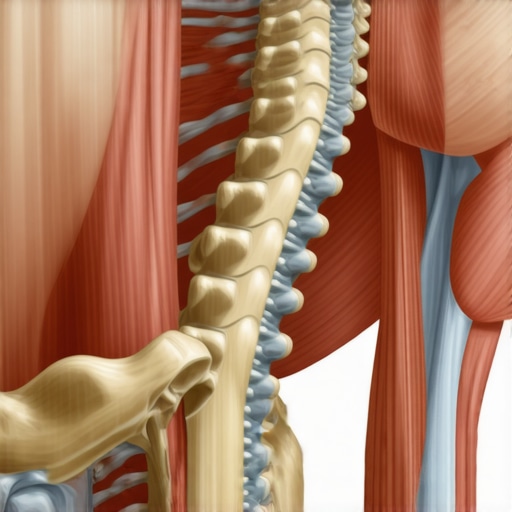
Every step you take while running sends a shockwave traveling upward through your body. If your feet cannot absorb that impact correctly, your knees, hips, and lower back have to do the heavy lifting instead. This is why how your foot arch affects your lower back pain is one of the most overlooked concepts in athletic recovery. When your arch collapses under pressure because your shoe lacks structured support, it forces your ankles to roll inward. This inward roll twists your shin bone, rotates your thigh bone, and tilts your pelvis forward. By the time that mechanical chain reaction reaches your spine, your lower back muscles are forced into a state of constant, exhausting contraction just to keep you upright. It is a biomechanical nightmare that no amount of post-run stretching can easily fix. To get a better grasp on how these patterns dictate your overall comfort, it is incredibly helpful to understand what your walking pattern says about your spinal health.
Are supportive insoles just a marketing gimmick?
I get the skepticism. We are constantly bombarded with advertisements for pricey custom orthotics and high-tech footwear, leaving many of us to wonder if this is just another way to empty our wallets. But the biomechanics do not lie. According to clinical research published by the National Institutes of Health, proper arch intervention directly reduces excessive pronation and significantly lowers the load placed on the joints of the lower extremity. When I finally stopped chasing the trend of ultra-soft, unstructured minimalist designs and started focusing on rigid arch structural integrity, my recovery time plummeted. If you are struggling with similar alignment issues, you might also want to look into why we look at your arch height to solve your back issues during chiropractic assessments. Have you ever noticed your lower back tightening up halfway through a run, or even after standing in line at the grocery store? Tell me about your experience in the comments below.
Diagnosing the Sneaker Sabotage
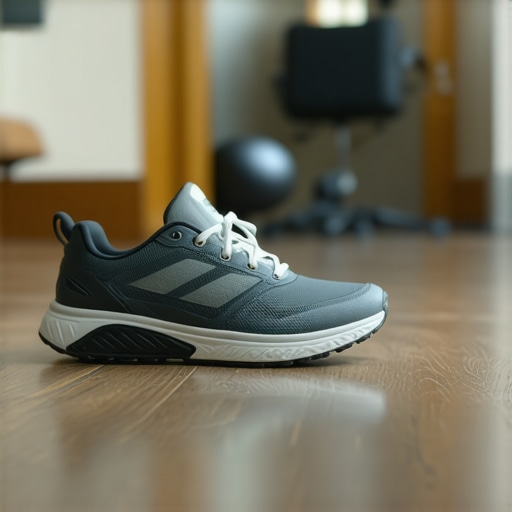
To stop the cycle of spinal fatigue, you have to investigate your footwear with the clinical eye of a biomechanic. Think of your running shoes as the foundation of a house. If the concrete is cracked or slanted, the roof will eventually sag. When I first started analyzing my own gear, I realized I had been completely blind to the warning signs right beneath my feet. You can start this process yourself tonight by analyzing the wear patterns on the soles of your favorite sneakers. To help you figure out if your current pair is the culprit, check out this guide on how to tell if your sneakers are ruining your spinal alignment. My own ‘aha’ moment came when I placed my running shoes on a flat table at eye level. The heels were tilted inward by almost five degrees, showing a massive wear pattern on the inside edge. No wonder my pelvis was tilting forward during every run.
Step 1: Test Your Lateral Shoe Torsional Rigidity
Grab your shoe by the heel and the toe, then try to wring it out like a wet towel. A supportive shoe should resist this twisting motion. If you can effortlessly twist it into a spiral, it lacks the structural integrity to keep your arch from collapsing. I once bought a pair of highly recommended trail runners that I could literally fold in half with two fingers. Within three weeks, my lower back felt like it was on fire. If you are experiencing similar issues, you are likely dealing with a lack of foot stability that forces your spine to overcompensate. Improving your overall movement patterns can prevent this, as explained in mobility mastery expert tips for back pain prevention and recovery.
Step 2: Transition Slowly to Prevent Shocking Your Spine
When you find a shoe with proper support, do not immediately head out for a long-distance run. Your body has spent months or years compensating for bad footwear. If you change your support structure overnight, you will shock your kinetic chain, often resulting in temporary discomfort in your hips, knees, or even your neck. The key is a gradual introduction. I made the mistake of switching to a highly structured shoe and immediately running a half-marathon, which left me with severe hip tightness. For a safer approach to changing up your footwear styles, read about how to safely transition to a minimalist shoe without injury. This gradual shift gives your joints time to adapt to new angles of impact.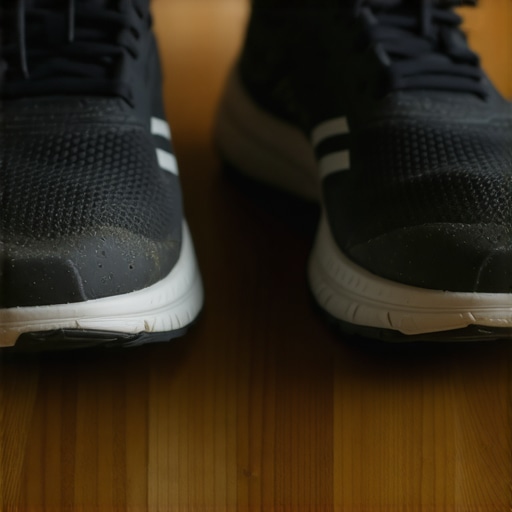
Step 3: Mobilize Your Ankles to Take the Pressure Off Your Back
If your ankles are stiff, your feet cannot pronate or supinate naturally, forcing your lower back to absorb the brute force of every stride. This is why ankle stiffness is a silent driver of spinal misalignment. I spent years stretching my tight hamstrings to fix my back pain, only to realize my ankle mobility was the real bottleneck. Once I started performing simple daily calf and ankle mobilizations, my back pain began to dissipate. To find out more about how we address these lower-body joints to relieve tension further up the body, you can explore why we adjust your ankles to fix chronic hip issues. Keeping these lower joints fluid ensures that your body distributes weight evenly with every step.
The Great Stretching Lie That Keeps Your Back Tight
For years, fitness influencers and well-meaning trainers have preached a singular gospel for lower back discomfort: stretch your hamstrings. We have all been there, bending over to touch our toes or pulling our legs up with a strap, hoping that loosening those stubborn leg muscles will magically release the tension in our spine. But here is the contrarian truth that years of clinical biomechanics will teach you: stretching tight hamstrings actually makes your lower back pain worse in many cases. When your pelvis is already tilted out of alignment due to poor foot support, your hamstrings tighten up as a protective mechanism to keep you from falling forward. They are acting as an emergency brake. By aggressively stretching them, you release that brake, forcing your lower back muscles to work twice as hard to stabilize your core. This is precisely why stretching your hamstrings won’t fix your lower back pain and why you need to look at the structural foundation instead.
Why does my back still hurt even though I have incredibly strong abs?
This is the classic frustration for athletes and gym-goers alike. You spend hours planking, performing hanging knee raises, and building a core of steel, yet you still experience a dull ache after a brief run or prolonged standing. The hidden nuance lies in the difference between superficial abdominal strength and deep spinal stability. Many people rely entirely on their rectus abdominis (the “six-pack” muscle) while completely neglecting the stabilizing role of the pelvic floor and deep multifidus muscles. In fact, a study published in the Journal of Orthopaedic & Sports Physical Therapy highlights that targeted motor control training of the deep stabilizers is vastly superior to general core strengthening for reducing chronic spinal stress. If you are overworking your outer core without proper structural alignment, you are essentially building a heavy house on a shifting sand foundation. To truly fix this imbalance, you must shift your focus toward how your entire kinetic chain moves as a cohesive unit, which you can learn to master by reading about why your core strength isn’t stopping your back from hurting.
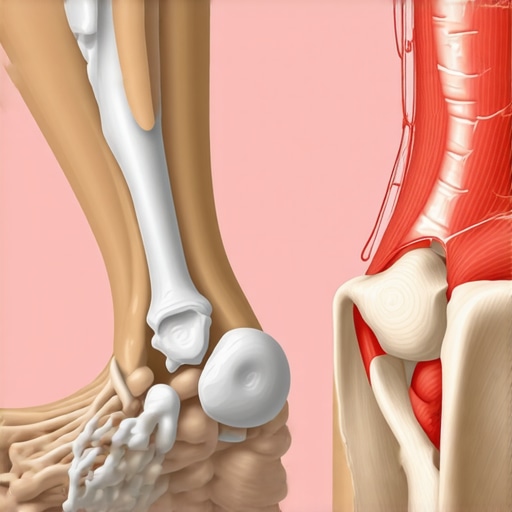
Another dangerous trap is the over-reliance on temporary relief strategies. When we feel that familiar, burning ache in our lower back or shoulders, our immediate instinct is to reach for a bottle of anti-inflammatories or a bag of ice. While this might quiet the alarm system for an hour or two, it does absolutely nothing to address the structural misalignment driving the irritation. In fact, relying on quick chemical fixes can mask worsening joint dysfunction, leading to severe long-term mobility limitations. Instead of masking the symptoms, top practitioners focus on restoring joint motion from the ground up, utilizing targeted adjustments to realign the pelvis and spine. Discover how these clinical adjustments can restore your natural range of motion by exploring how chiropractic care enhances movement.
Have you ever fallen into the trap of aggressively stretching your way out of back pain, only to find yourself stiffer the next morning? Let me know your experiences in the comments below.
When you commit to correcting your kinetic chain from the ground up, the immediate question shifts from pain relief to long-term preservation. You cannot expect a single pair of supportive shoes or a handful of chiropractic sessions to permanently shield you from the physical demands of daily life. True spinal health requires consistent, daily habits supported by the right tools. Over the years, I have tested dozens of foam rollers, traction devices, and mobility aids. Most of them end up gathering dust in a closet because they are too complicated or simply ineffective. However, a few select tools have completely revolutionized how I maintain my body, helping me sustain a life free of chronic stiffness.
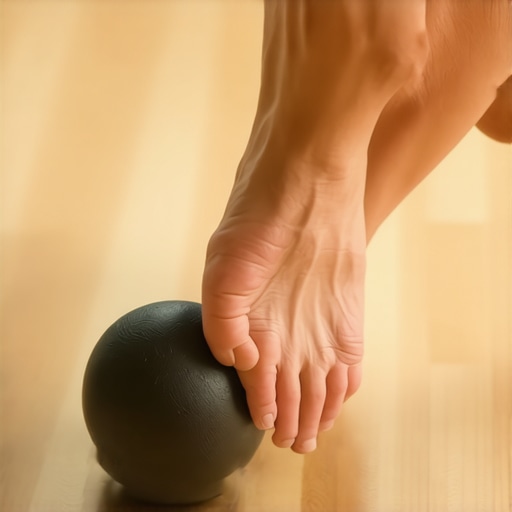
My absolute favorite weapon for daily maintenance is a simple, high-density lacrosse ball. Unlike soft foam rollers, a lacrosse ball is firm enough to target deep, stubborn tissue restrictions without collapsing under your body weight. I use it daily for pinpoint release work on my plantar fascia and gluteus medius. By rolling the sole of my foot over the ball for just two minutes every morning, I instantly stimulate the mechanoreceptors in my arches, preparing my feet to absorb impact throughout the day. This simple routine has been a game-changer for keeping my lower body fluid and responsive. If you want to dive deeper into how keeping these lower joints mobile protects your entire system, take a look at our guide on mobility mastery expert tips for back pain prevention and recovery.
How do I maintain my mobility and foot structure over time?
Consistency beats intensity every single time. To keep your spine and lower extremities functioning optimally, you need a daily checklist of low-intensity movements that reinforce proper joint tracking. My personal routine revolves around a daily five-minute ankle mobilization and a short, brisk walk focusing on active heel-to-toe transitions. I also highly recommend incorporating targeted chiropractic checkups to address minor joint misalignments before they develop into painful compensation patterns. For those looking to build a reliable foundation, adopting a structured morning habit can make all the difference. Learn how to set yourself up for success by reading about the morning spinal hygiene routine every desk worker needs.
Looking ahead, I predict we are going to see a massive shift in how athletic footwear is designed. For years, the industry has oscillated between the extremes of maximalist cushioning and ultra-thin barefoot shoes. Niche biomechanical experts, such as the clinical team at the Postural Restoration Institute, are increasingly highlighting how footwear must facilitate a natural heel strike and active big toe extension to keep the pelvis neutral. In the near future, I expect smart shoes equipped with embedded pressure sensors to become mainstream, offering runners real-time feedback on their arch collapse and gait asymmetry before they ever feel a twinge of back pain. Until then, we must rely on proactive physical assessment and smart manual therapies to stay aligned. If you are ready to take control of your movement mechanics today, I challenge you to perform the lateral shoe torque test on your favorite pair of sneakers tonight and see if they are truly supporting your spine.
When we look at our bodies as interconnected systems, it becomes obvious why a small structural shift at the ground level can echo all the way up to our neck and shoulders. Yet, so many runners and fitness enthusiasts spend years treating local symptoms instead of exploring the actual source of their kinetic breakdown. The journey to a pain-free spine starts from the floor up, and once you make this fundamental shift, you will see your entire mobility landscape transform.
What Most Runners Miss About the Foot-Spine Connection
Over the years, I have analyzed countless stride patterns and worked with athletes who felt completely defeated by chronic physical limitations. During this time, I noticed three major misconceptions that consistently keep people trapped in a cycle of structural irritation:
- Support Is Not the Enemy of Strength: There is a common myth that wearing shoes with structured arch support will naturally weaken your foot muscles over time. In reality, when your arch is actively collapsing, the joints of your feet are so misaligned that your stabilizing muscles cannot fire properly. Structured support acts as a guide, allowing those muscles to work within their optimal range of motion.
- Cushioning Does Not Equal Impact Absorption: Many runners believe that ultra-soft, pillowy midsoles protect their joints from heavy impacts. Biomechanical testing reveals the opposite: when your foot sinks into a highly unstable, cushioned platform, your nervous system loses its connection to the ground, forcing your lower back and hips to stiffen up defensively.
- The Ankles Control the Pelvis: We often treat pelvic tilts and lower back tightness as isolated core issues. However, if your ankles are too stiff to allow for natural movement, your pelvis is forced to tilt forward to compensate during every stride. To address this root cause, practitioners often look at why we use targeted manual therapies, which is why why we adjust your ankles to fix chronic hip issues is such a critical concept in clinical recovery.
The Simple Foot and Spine Stability Checklist
You do not need a closet full of expensive medical gear to keep your kinetic chain in perfect alignment. Instead, focus on a few highly targeted, effective tools that yield the highest return on investment for your daily physical health:
- A High-Density Lacrosse Ball: This is my ultimate tool for releasing deep tissue tension. Spending two minutes rolling out the bottom of each foot every morning stimulates your nervous system, improves blood flow to the plantar fascia, and prepares your arches for the day’s physical demands.
- Firm, Torsionally Rigid Footwear: When shopping for your next pair of athletic shoes, skip the twist test. Ensure the midsole resists twisting and provides structured support beneath your navicular bone. For those looking to improve their movement mechanics naturally, learning how to select the right footwear is a foundational step in mobility mastery expert tips for back pain prevention and recovery.
- An Active Morning Spine Routine: Before you sit down at a desk or head out for a run, perform a brief, low-intensity movement checklist to wake up your deep postural stabilizers. You can easily protect your spine from daily fatigue by adopting the morning spinal hygiene routine every desk worker needs.
Take the First Step Toward Natural Structural Alignment
It is incredibly easy to get overwhelmed by the endless stream of conflicting fitness and recovery advice available today. But remember, your body is an extraordinary, self-healing machine when you give it the proper foundation to build upon. By simply paying attention to how your feet interact with the ground and choosing footwear that respects your unique biomechanics, you can relieve unnecessary stress on your nervous system and finally experience a life of free, unrestricted movement. If you want to dive deeper into how aligning your lower extremities can unlock your full physical potential, explore how targeting your kinetic chain through chiropractic care enhances movement.
Have you ever performed the lateral shoe torque test on your favorite pair of running shoes only to find they twist like a wet towel? Let me know what you discovered in the comments below!