How to use a rolled-up towel to fix your car’s lumbar support
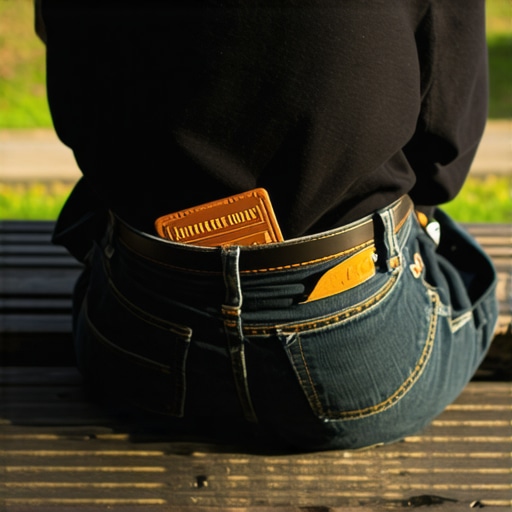
I’ll never forget the three-hour drive to my sister’s wedding last summer. About forty-five minutes in, a sharp, nagging ache started radiating from my lower spine. I tried shifting my weight, adjusting the seat tilt, and even sitting on my wallet—which, by the way, is a huge mistake that tilts your pelvis. By the time I arrived, I was hobbling like I’d aged thirty years in one afternoon. I felt defeated because I’d already spent fifty bucks on a contoured memory foam cushion that did absolutely nothing but push me too far forward. [IMAGE_PLACEHOLDER]
The Secret to Surviving Your Commute Is in Your Bathroom
That experience taught me a hard lesson about understanding back pain and posture. Most car seats are designed for an average person who doesn’t actually exist. We all have different spinal curves. The truth is, built-in lumbar support in modern chairs often hits the wrong spot or lacks the firmness you actually need to keep your spine neutral. I realized I didn’t need more technology; I needed something adjustable, firm, and—honestly—free. According to research published in the Journal of Physical Therapy Science, maintaining the natural lordotic curve of the lumbar spine significantly reduces disc pressure while sitting. A simple towel allows you to customize that curve exactly where your spine needs it, unlike those one-size-fits-all cushions.
Does a cheap towel really work better than a $50 cushion?
I was the ultimate skeptic. I figured if it wasn’t orthopedic-grade memory foam, it wouldn’t help my mobility and pain relief goals. My early mistake was rolling the towel way too thick, which actually made my back stiffer because it forced my spine into an unnatural arch. You have to find the Goldilocks thickness. If you’ve ever felt that burning sensation in your mid-back halfway through a road trip, you know exactly what I’m talking about. Have you ever tried one of those fancy car cushions only to find it made the pain worse? If you’re planning a trip and worried about triggering sciatica or back flares, this low-tech hack is your new best friend. It’s the same principle as using a lumbar roll in an office chair, but with a few car-specific tweaks we need to get right.
How to Fold Your Way to a Neutral Spine
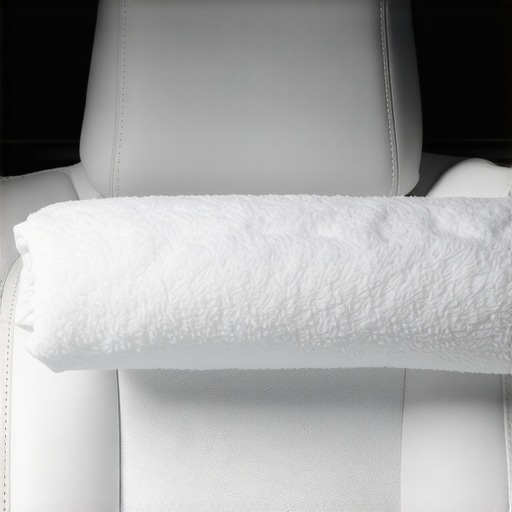
The trick isn’t just grabbing any old rag; it’s about the density. You want a standard hand towel, not a plush bath towel that’ll compress into nothing or a thick beach towel that’ll shove you into the steering wheel. Start by laying it flat and folding it into thirds lengthwise. This creates a narrow, firm strip. From there, roll it up tightly, but keep it about the diameter of a soda can. If it’s any thicker, you’ll likely find that your perfect posture is actually making you stiff because of the excessive forward pressure. I learned this the hard way during a cross-state run to a friend’s house. I’d rolled a thick bath towel so tightly I felt like I was sitting against a log. Halfway there, my mid-back started screaming. I pulled over at a gas station, switched to a thinner hand towel, and the relief was instantaneous. It’s one of those simple yet effective chiropractic hacks that anyone can master in thirty seconds. 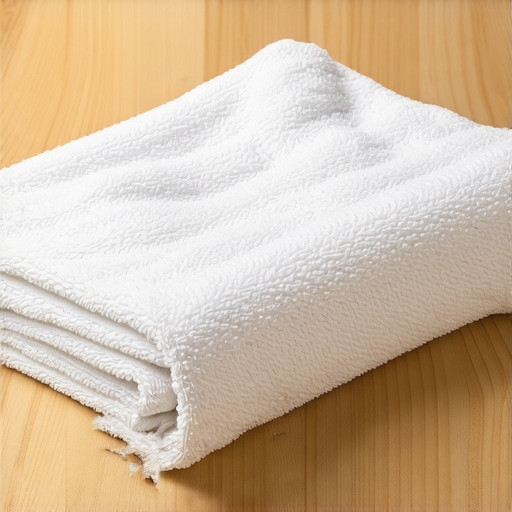
Placement Matters More Than the Roll Itself
Think of your spine like a suspension bridge. If the cables aren’t supported at the right tension points, the whole structure sags. Most people shove their lumbar support too low, right against their tailbone. This is a mistake. To restore your back mobility with proven chiropractic strategies, you need to place the roll right in the small of your back—roughly at the level of your navel. This supports the natural inward curve (the lordosis) and prevents the ‘C-shape’ slump that leads to disc irritation. When you sit back, you should feel a gentle, firm pressure that makes it feel effortless to keep your head over your shoulders. This technique is a core part of mastering back and neck pain relief because it stops the chain reaction of poor alignment before it starts.
Lock the Roll in Place to Prevent Slumping
A common frustration is the ‘towel crawl’—where the roll slowly slides down toward the seat crack every time you hit a pothole. To fix this, I use a large rubber band or even a piece of twine to secure the towel to the seat frame if the car allows. If you’re in a rental, just ensure your shirt is tucked in; the friction actually helps keep the towel from migrating. You should also check your seat tilt. If the seat pan is tilted too far back, you’re fighting a losing battle against gravity. Aim for a relatively flat seat base to ensure you aren’t exacerbating the danger of sitting with a wallet in your back pocket, which further tilts the pelvis. If you still feel a bit of a twinge after an hour, try a 5-minute reset for a stiff lumbar spine at the next rest stop. Learning how to use a lumbar roll without making your back stiffer involves these micro-adjustments that respect your body’s unique anatomy.While the towel trick is a game-changer for car rides, I see people take ‘good posture’ to a dangerous extreme. Everyone tells you to ‘sit up straight,’ but why sit up straight is actually bad advice for some comes down to rigidity. If you’re holding yourself like a statue, you’re just replacing one type of strain with another. This is the ‘Oops’ factor: over-correction. In my experience, why your perfect posture is actually making you stiff is because you’ve stopped breathing naturally. You’re bracing your core so hard that your diaphragm can’t move, which ironically leads to more back tension. Have you ever felt more exhausted after ‘focusing on your posture’ for an hour than you did when you were slouching? Let me know in the comments if you’ve fallen into this ‘stiff-is-good’ trap.
Does your neck pain actually start in your arches?
It sounds crazy, but the body is a closed kinetic chain. This is where we move into mastering back and neck pain relief. If your feet are flat, your knees rotate in, your pelvis tilts, and your neck has to compensate just to keep your eyes level. This is why we look at your feet when your neck hurts. Most beginners just rub the sore spot on their shoulder, but an expert looks at the foundation. Research from the Journal of Orthopaedic & Sports Physical Therapy highlights that proximal stability—like your hip and pelvic alignment—is vital for distal mobility. Without addressing the hidden link between neck pain and spinal health, you’re just putting a band-aid on a structural leak. 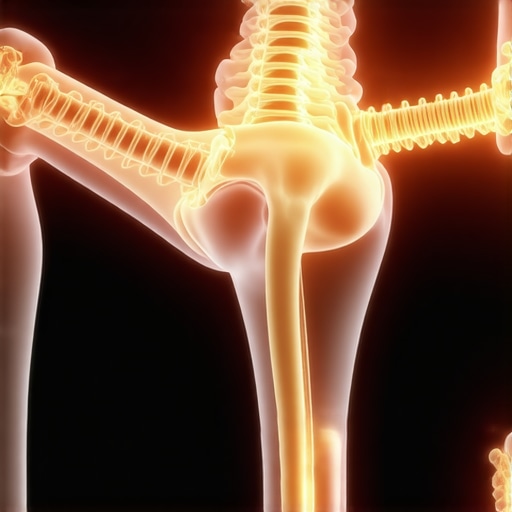
The Stretching Trap Most People Fall Into
Finally, let’s talk about the ‘tightness’ myth. People assume if a muscle feels tight, it needs to be stretched. But why stretching a tight muscle isn’t always the answer is a nuance most miss. Sometimes a muscle is ‘tight’ because it’s actually weak and overstretched, trying desperately to hold you together. If you keep pulling on it, you’re just making the instability worse. Instead of mindless reaching, focus on strengthening your glutes to take the pressure off your spine. It’s about stability, not just flexibility. To truly boost mobility and ease pain, you must identify which muscles need to relax and which need to wake up. This is how you restore your range and enhance movement without causing further injury. When you understand that your strong core might actually be too rigid, you start to value fluid movement over static positions. Real spinal health isn’t about standing like a soldier; it’s about having the freedom to move without fear.
To maintain that freedom, you need a system that doesn’t feel like a chore. I used to think I needed a gym full of equipment to stay pain-free, but I eventually learned that consistency beats complexity every time. My morning now starts with a 3-minute morning routine to lubricate your joints, which is basically a series of controlled movements that tell my nervous system it’s okay to let go of that overnight tension. If you skip this, your body stays in ‘protection mode’ all day, which is exactly why your first hour at the desk feels so heavy.
Stop Relying on Luck and Start Using a System
Maintenance isn’t just about what you do when it hurts; it’s about the tools you use to prevent the flare-up before it starts. I’ve become a huge advocate for the bird-dog variation that fixes wobbly core muscles. Unlike traditional crunches which can actually increase disc pressure, this move builds what Dr. Stuart McGill, a world-renowned expert in spine biomechanics from the University of Waterloo, calls ‘proximal stiffness.’ He argues that to have mobile limbs, you need a stable torso. If you aren’t doing at least three reps of this daily, you’re leaving your lower back vulnerable to the next heavy grocery bag or sudden sneeze.
How do I keep my back feeling great every single day?
It comes down to auditing your environment. For years, I used a foam roller the wrong way, essentially bruising my own tissue. Once I learned the proper way to use a foam roller on your upper back, my headaches almost vanished. I also realized that fixing your gait for better spinal alignment was a long-term project, not a weekend fix. I started paying attention to my footwear and how I strike the ground, which changed the way my hips felt after a long walk. This is the essence of mobility mastery and back pain prevention—it is a series of small, intentional choices rather than one big ‘cure.’ 
The Future of Posture is Already Here
I predict that in the next few years, we are going to see a shift away from static chairs and toward ‘active sitting’ tech. We’re already seeing wearable sensors that vibrate when your shoulders slump, but the real breakthrough will be in software that analyzes your movement patterns through your webcam. We won’t just talk about the best exercises to keep your spine young; we will have real-time data telling us exactly when our muscles are fatiguing. This is why I tell everyone to start with the basics now. If you can’t master a simple towel roll or a 10-second posture check, all the high-tech gadgets in the world won’t save your discs from years of neglect. My challenge to you today: try that Bird-Dog variation tonight before bed. Just three reps. Feel the difference in how you stand up afterward, and you’ll see why I’m so obsessed with these small tweaks.
The Hard Truths I Had to Accept to Finally Heal
Looking back at my journey through chronic stiffness, I realized that chasing the ‘quick fix’ was my biggest setback. I spent hundreds on gadgets when I really needed to focus on mobility mastery and back pain prevention. Here are the three shifts that changed everything for me:
- Movement is medicine, but only if it is precise. I used to think any movement was good, but I learned that revitalizing your mobility requires intentionality, not just effort.
- Your body speaks in whispers before it screams. That tiny twinge in your lower back is a signal to adjust your pelvic tilt before it becomes a full-blown flare-up.
- Consistency beats intensity every time. A three-minute routine every single morning did more for me than a two-hour gym session once a week ever could.
[IMAGE_PLACEHOLDER_E]
My No-Nonsense Toolkit for Daily Resilience
I have tried every brace, cream, and cushion on the market, but these are the only things I still use to boost mobility and ease pain. First, a simple firm hand towel for my car lumbar support—it is adjustable and free. Second, a basic resistance band for glute activation to take the load off my spine. Third, I highly recommend studying better posture and mobility principles from experts who prioritize biomechanics. Finally, never underestimate the power of a professional perspective; back pain recovery through chiropractic care is not just about adjustments, it is about re-educating your nervous system to move without fear.
Take Back Your Freedom One Small Shift at a Time
The road to recovery is rarely a straight line, but it is entirely achievable. You do not have to live in a state of constant protection or fear that the next wrong move will sideline you for a week. By integrating these small tweaks—like the towel roll or consistent core checks—you are actively choosing to restore your range and enhance movement. You deserve to arrive at your destination feeling as good as when you left. Whether it is a long commute or a day at the office, your spine has the capacity to support you if you provide the right environment. Let us stop settling for discomfort and start aiming for a life of chiropractic health and mobility. Have you tried the towel trick yet, or are you still struggling with a store-bought cushion? Let me know your results in the comments below!