The connection between stress and that burning in your traps
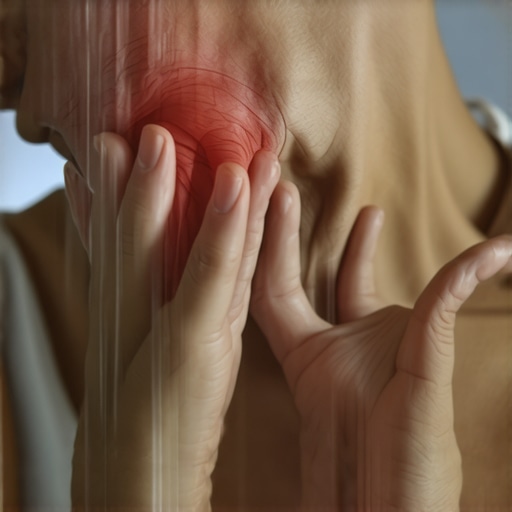
I remember sitting at my desk last November, staring at a looming deadline, when it hit me. It wasn’t a sudden realization about my work, but a physical sensation—a deep, searing burn right in my upper shoulders. It felt as if someone was pressing a hot iron directly onto my trapezius muscles. I tried rolling my head. I tried rubbing my neck. Nothing worked. In my early days of dealing with this, I made a massive mistake: I bought a generic, high-density foam roller and spent hours aggressively rolling my neck and traps, thinking I could simply crush the pain away. Instead, I woke up the next morning barely able to turn my head. It was a painful lesson in how treating the symptoms without addressing the root neurological cause only makes things worse.
Have you ever felt that exact same burning sensation after a long, stressful week of work?
The Sneaky Neural Connection Between Your Brain and Your Shoulders
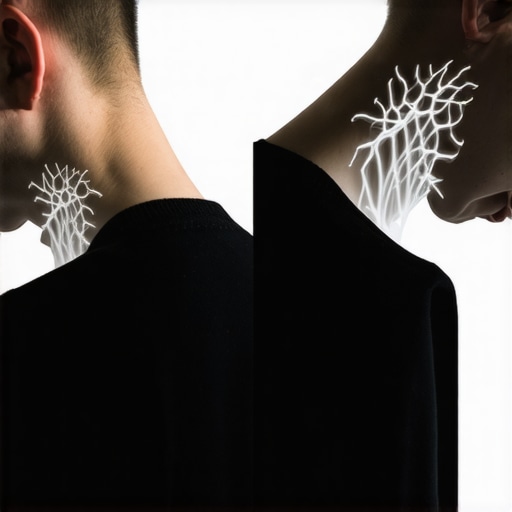
We often think of stress as a purely mental state, but your body doesn’t separate emotional anxiety from physical danger. When your mind races, your body instinctively prepares to fight or flee. A fascinating study published in the Journal of Electromyography and Kinesiology demonstrates that psychological stress significantly increases muscle activity in the upper trapezius, even when you are just sitting still. This happens because your brain signals your primitive defense systems to brace for impact. When I finally understood why your neck muscles tighten during stress, everything changed for me. I stopped treating my shoulders like they were just stiff from exercise and started addressing them as a physical manifestation of my daily mental load. Your traps aren’t just tight because of your desk setup; they are physically holding onto your anxiety.
Is stress really the only thing causing this burning sensation?
Many people are highly skeptical that mental stress alone can cause such intense physical pain, believing there must be a structural tear or a pinched nerve. While those are possibilities, stress acts like an amplifier for everyday tension. When you are constantly stressed, your breathing pattern shifts. Instead of breathing deep into your belly, you start shallow breathing, using your neck and shoulder muscles to pull your ribcage up. This constant, micro-movement overuses your upper back. If you combine this shallow breathing with poor posture, you get a recipe for chronic discomfort. For years, I ignored this connection and wondered why my shoulders hunched when I was stressed, hoping a quick massage would solve it. It never did, because I wasn’t addressing the neurological loop of stress and muscle tension. To truly find relief, we have to look deeper at how we move, breathe, and reset our nervous system.
How to Interrupt the Stress-Tension Loop
To break this physical loop, we cannot just rely on passive treatments. We have to actively reprogram how our nervous system communicates with our skeletal structure. Think of your nervous system like a home security system. When you are stressed, the alarm is blaring constantly, keeping your upper back muscles on high alert. If you try to stretch or massage those muscles while the alarm is still screaming, your brain will instantly tighten them back up to protect you. We must first disable the alarm.
Learn the Art of the Diaphragmatic Reset
Your diaphragm is the master key to your nervous system. When you shallow breathe, you use accessory neck muscles to pull up your ribs, creating constant, micro-trauma in your shoulders. I remember a particularly bad Thursday afternoon last spring. My shoulders were so tight they felt like concrete blocks, and I was starting to get a throbbing headache. Instead of reaching for a massage gun or painkillers, I forced myself to lie flat on the floor with my knees bent. I placed one hand on my chest and one on my belly, then focused entirely on making only the belly hand rise. Within five minutes of this focused breathing, the physical weight on my shoulders noticeably lifted. To master this yourself, you must learn how to breathe properly to reduce tension in your shoulders. Practicing this for just three minutes twice a day acts as a physical mute button for your stress response.
The Ten-Second Desk Reset
We often get stuck in a forward-slouched typing posture that keeps the shoulder blades flared and the neck strained. Instead of fighting your posture all day, use a mechanical reset button. Sitting tall, pull your chin straight back as if you are trying to make a double chin, while simultaneously drawing your shoulder blades down and together. Hold this position for three seconds and release. When I first attempted this, I did it so aggressively that my neck actually clicked, which is a common error. Ensure you avoid this by learning the the chin tuck mistake that is making your neck pain worse. Gentle, consistent muscle engagement is far more effective than force.
Release the Deep Tissue Knots Safely
Once you have calmed the nervous system and reset your posture, you can address the physical knots. Instead of using a heavy foam roller which can easily irritate delicate neck nerves, swap it for a softer, targeted tool. I found massive relief by placing a simple tennis ball between my upper back and a wall, gently leaning my body weight into it to pinpoint the tight spots. This allowed me to release local tension without placing dangerous pressure on my cervical spine. Using this method teaches you how to use a tennis ball to melt away mid-back knots safely and effectively at home.
The Mobility Trap Most People Fall Into
When you are dealing with chronic, burning tension in your shoulders, the most common piece of advice is to stretch. We are told to pull our heads down to our shoulders or perform aggressive static stretches to force the muscles to lengthen. However, in my experience, stretching a muscle that is locked in a protective state actually makes the tension worse. When your brain is using your upper traps as a shield against stress, pulling on those fibers sends a panic signal to your spinal cord, causing the muscle to rebound and tighten even further. Instead of force, we need to focus on neurological permission—giving the brain a reason to let go of the guard. If you want to make lasting progress, you must understand neck pain no more expert chiropractic solutions that work to reprogram these hyperactive neural pathways.
Why does my neck hurt worse after a deep tissue massage?
It is incredibly frustrating to invest time and money into a deep tissue massage, only to wake up the next morning feeling bruised and stiffer than before. This happens because aggressive physical pressure on highly inflamed, stress-reactive tissue triggers an acute inflammatory response. A clinical study published in the Archives of Physical Medicine and Rehabilitation highlighted that aggressive ischemic compression on active myofascial trigger points can sometimes cause micro-tearing and localized muscle guarding if the nervous system is already in a sympathetic (fight-or-flight) state. Your muscles are not just inert pieces of meat that need to be beaten into submission; they are sensory organs. When a practitioner or a heavy massage gun attacks a knot too aggressively, the brain senses threat and locks the area down. To avoid this, you need to transition to gentler, nervous-system-first approaches like those detailed in relieve neck back discomfort using these expert methods.
The Core Strength Illusion in Shoulder Pain
Another major misconception is that strengthening your abdominal muscles will magically cure your upper back and neck tension. While core stability is vital for your lower spine, generic sit-ups actually increase pelvic tilt and force your neck to flex forward, exacerbating your upper back burn. In fact, focusing purely on superficial abs while ignoring how your pelvis and rib cage align is a massive trap. If your rib cage is flared out from shallow breathing, your shoulder blades lose their stable foundation, causing the neck to work twice as hard to stabilize your head. Understanding how these mechanical segments interact is the key to restoring true, pain-free movement. Have you ever fallen into this trap of trying to stretch or crush your pain away only to make it worse? Let me know in the comments. To learn how to safely build mobility from the ground up, check out our guide on restore your range how chiropractic care enhances movement.
My Personal Toolkit for Long-Term Spinal Health
Once you stop aggressively stretching and start working with your nervous system, the real challenge begins: keeping the pain from creeping back during a sixty-hour workweek. I don’t rely on luck or expensive daily therapy. Instead, I use a highly specific set of tools that target mechanical leverage and neural feedback. My absolute favorite is a simple, non-elastic yoga strap. I keep it draped over my office door handle. When I feel my chest collapsing, I don’t just stretch; I use the strap to perform active-assisted shoulder dislocates, which gently tells my brain that it is safe to open up the thoracic cage. This simple habit helps to boost mobility and ease pain by gently reminding the joints of their true boundaries without triggering a protective spasm.
How do I maintain spinal alignment and mobility over time?
Consistency beats intensity every single time. To maintain your progress, you have to build physical ‘speed bumps’ into your day. I use a simple software utility called stretchly, which locks my screen for twenty seconds every twenty minutes. During that tiny window, I perform one quick set of the Bruegger’s relief position to instantly reverse my desk posture. This is how you build a resilient body. By integrating these micro-resets, you are actively learning mobility mastery and practicing real back pain prevention in real-time. If you want to see how these tiny habits stack up to completely reshape your structural health, you can explore understanding back pain as a comprehensive roadmap for daily living.
The Future of Posture and Neural Mapping
We are standing on the brink of a massive shift in how we treat chronic musculoskeletal tension. The old school of thought treated the body like a car—if a part is tight, pull on it; if it is weak, strengthen it. In the coming years, we will see a massive rise in biofeedback-driven wearable technology. Devices like surface electromyography (sEMG) sensors integrated directly into smart clothing will soon alert us the exact millisecond our upper traps begin to hold tension, allowing us to reset our breathing before pain even starts. Dr. Martha Hall, a leading researcher in functional wearable design at the University of Delaware, has highlighted how smart textiles are beginning to bridge the gap between clinical biofeedback and daily habit modification. This tech-driven future will make it easier than ever to maintain structural alignment. For now, we must rely on conscious habits to enhance mobility naturally. If you are ready to take your physical recovery seriously, I highly recommend trying the diaphragmatic reset tonight before you go to bed. Spend just three minutes focusing entirely on belly breathing; your shoulders will thank you tomorrow morning.
When you spend years fighting physical tension, you realize that your body isn’t an enemy to be beaten into submission. It is a highly sensitive instrument reacting to your life. Changing how you respond to pain is the ultimate shift.
The Hardest Lesson I Learned About My Trapezius Burn
For a long time, I treated my upper back like a mechanical crane that simply needed greasing. The biggest breakthrough came when I realized that muscle tightness is actually a brain-directed protective reflex. If you do not feel emotionally or physically safe, your brain will never allow those muscle fibers to relax. Another major realization was how much my everyday footwear played a role; poor grounding directly impacts how you carry your upper torso. If you suspect your wardrobe is contributing to your postural misalignment, you should learn how to tell if your sneakers are ruining your spinal alignment. Finally, I had to accept that there are no permanent quick fixes. True healing requires daily, mindful physical check-ins rather than a single weekly therapy session.
My Essential Daily Recovery Toolkit
I do not leave my spinal health to chance. Over the years, I have curated a highly specific group of non-negotiable tools that keep me functional. First, I use a soft lacrosse ball for targeted myofascial release against a wall because it grabs the tissue better than a slick tennis ball. Second, I rely on a standard yoga strap to assist with gentle thoracic mobility routines. Third, I keep a dedicated lumbar roll on my office chair to prevent pelvic slumping. If you want to optimize your workspace, check out the simple change to your desk chair for better focus. These affordable physical additions create passive structural support so your nervous system doesn’t have to work overtime.
Your Pathway to Lasting Structural Freedom
You do not have to live in a constant state of physical defense. By shifting your focus from aggressive stretching to calming your nervous system, you can naturally boost your back health. This journey is not about achieving perfect, rigid posture; it is about building a body that can adapt, bend, and recover from stress without locking up. Start small with a single diaphragmatic reset tonight, and let your nervous system do the rest.
Have you ever noticed your shoulders rising to your ears during a stressful work meeting? Let me know in the comments below!