Why Your Hips Feel Locked After a Long Run
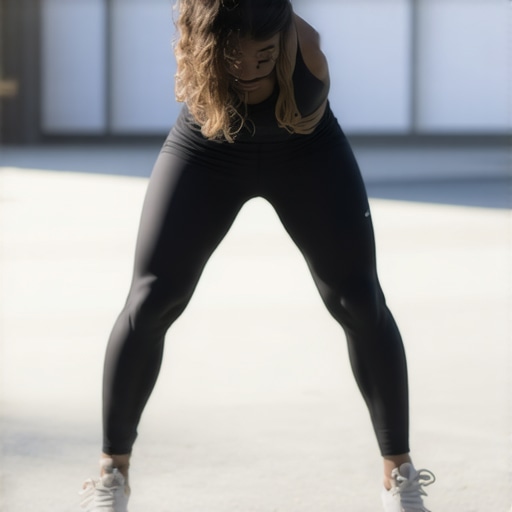
I remember crossing the finish line of a soggy half-marathon feeling like a champion, only to realize twenty minutes later—while trying to peel myself out of the driver’s seat—that my hips had turned into solid blocks of rusted iron. It wasn’t just a “good sore.” It was a complete lockout. I couldn’t lift my leg to hit the brake, and my lower back felt like it was being compressed by a hydraulic press. For years, I made the classic rookie mistake of thinking I just needed to yank on my muscles harder. I spent twenty minutes in a deep lunge, but it never actually solved the problem. Today, we are going to stop the cycle of post-run zombie walking by looking at why your nervous system is putting on the brakes and how you can actually restore your hip mobility without making things worse. [IMAGE_PLACEHOLDER]
Your Hips Aren’t Just Tight—They are Protecting You
When you finish a long run, your brain does a quick inventory. If it senses that your joints are unstable, it sends a signal to the surrounding muscles to clamp down to prevent injury. It is a survival mechanism, not a design flaw. I spent way too much time focused on the wrong area, not realizing that stretching your hamstrings won’t fix your back pain or your hip stiffness if the issue is actually coming from your core’s inability to stabilize. According to a study in the Journal of Orthopaedic & Sports Physical Therapy, running can exert forces up to eight times your body weight on your hip joints. If your stabilizers are fatigued, your primary movers have to work overtime just to keep you upright. Have you ever felt that frustrating clunk in your hip when you finally try to stand up after a post-run meal?
Does more stretching actually make the stiffness worse?
It sounds counterintuitive, but many of us are guilty of aggressive recovery that does more harm than good. I used to think that if a little pressure was good, then grinding into my muscles with a hard plastic cylinder was better. The truth is, your foam roller might be hurting your lower back if you are using it to smash tissues that are already under tension. Often, the feeling of tightness is actually a sign of weakness elsewhere, specifically when tight hip flexors are pulling your pelvis into a position that makes every step a struggle. We are going to unpack how to signal to your body that it is safe to let go of that tension so you can stop dreading the day after your long runs.
Reset Your Nervous System with This Simple Breath
To get your hips to unlock, you have to stop fighting your own body. Think of your nervous system as a security guard; if it feels a threat, it locks the doors. Aggressive stretching is like trying to kick those doors down—the guard just adds more locks. Instead, you need to use the secret code, which is your breath. When you finish a run, your body is often stuck in a high-alert state. You can learn how to breathe into your lower back to reduce muscle spasms by focusing on 360-degree expansion. I remember a time after a hilly trail run when I was so tight I couldn’t even reach my shoelaces. Instead of forcing it, I lay on the floor with my legs on a chair and breathed deep into my belly for five minutes. Suddenly, the ‘lock’ vanished. This works because the connection between shallow breathing and back pain is direct; if you don’t use your diaphragm, your hip flexors and back muscles have to stabilize your spine, which makes them chronically tight.
Wake Up Your Glutes to Give Your Hips a Break
Once you have calmed the security guard, you need to remind your body which muscles are actually supposed to be doing the heavy lifting. Often, your hips feel tight because your glutes have essentially gone on strike. When the glutes don’t fire, the psoas and other hip flexors work overtime to keep you stable. This is a primary reason why your glutes won’t fire and how to fix it involves low-intensity activation rather than heavy lifting. Try a simple glute bridge, but don’t just mindlessly lift your hips. Squeeze your seat at the top until you feel that ‘lightbulb’ moment of muscle engagement. By strengthening your glutes to take the pressure off your spine, you are effectively telling your hip flexors they can take the rest of the day off. It is like hiring a professional mover instead of trying to carry a piano by yourself; everything moves smoother when the right person—or muscle—is in charge. 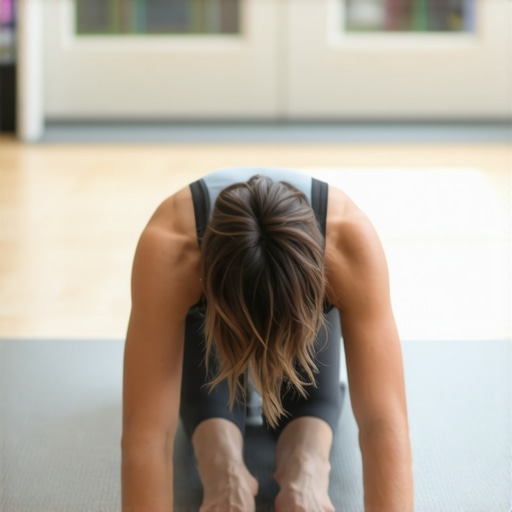
Stop Smashing Your Tissues and Start Moving Instead
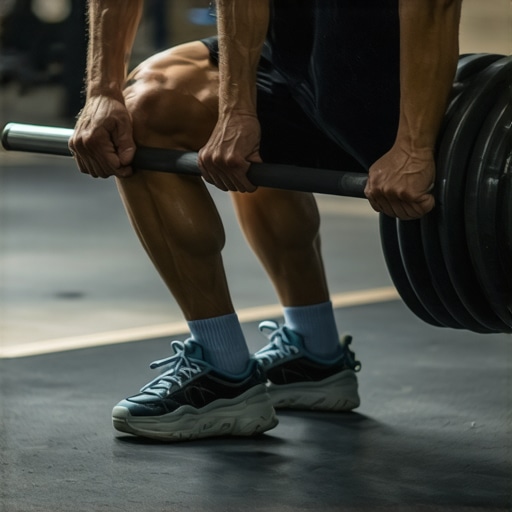
We have been conditioned to believe that if something is tight, we should roll it out until it hurts. But if a muscle is tight because it is trying to protect an unstable joint, smashing it with a foam roller is just adding more trauma to an already stressed area. Instead of static pressure, focus on controlled, gentle movement. This is where boost mobility ease pain chiropractic techniques unveiled can be a game changer, as they focus on joint alignment rather than just soft tissue abuse. I once spent three weeks rolling my IT band every morning, only to realize my hip was actually stuck in a poor position. Once I swapped the roller for active leg swings and pelvic tilts, the pain disappeared in three days. You want to lubricate the joint with movement, not tenderize it like a piece of steak. By choosing active recovery, you restore your range by showing your brain that it is safe to move through those previously ‘forbidden’ zones without pain.Let’s dig deeper into why simply getting stronger doesn’t always translate to living pain-free. The biggest mistake I see—one I made for years—is equating stability with rigidity. We have been told to brace our cores constantly, but in reality, why your strong core might actually be too rigid is a major contributor to chronic back tension. If your spine cannot move segmentally because you are always on guard, you are essentially turning your back into a single, brittle lever. This is the ‘Oops’ factor: many runners and lifters try to protect their backs by never letting them move, which is exactly how you end up with a flare-up the moment you reach for a dropped pen. 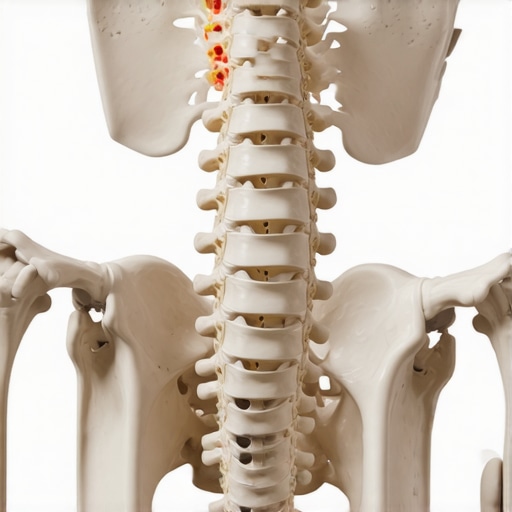
Stop Bracing Your Abs Like You Are Expecting a Punch
When we talk about mobility, we often focus on the muscles being too short, but the nuance lies in the motor control. Your brain is a master of compensation. If you have been taught to suck your belly button in or squeeze your glutes 24/7, you are creating a pressure cooker environment in your lumbar spine. This chronic tension prevents the natural ‘slosh’ of joint fluid that keeps your discs healthy. Professor Stuart McGill, a world-renowned spine biomechanist, has demonstrated that a healthy spine requires a ‘stiffness’ that is proportional to the task. Walking doesn’t require a 100% braced core, yet we often move through life as if we are preparing to lift a car. By learning to relieve neck back discomfort using these expert methods, you can begin to teach your body that it is okay to relax during low-level activities.
Can a core that is too stiff actually cause your discs to wear out faster?
The answer is a resounding yes. When you are overly rigid, you lose the ability to distribute force across multiple spinal segments. Instead, the force concentrates at the ‘hinge’ points—usually where your lower back meets your sacrum. This is one reason why sit up straight is actually bad advice for some people, particularly those with an exaggerated lumbar arch. Forcing a military posture often just jams the facet joints together. You have to find the balance between being a noodle and being a statue. If you are constantly stiffening up, you might need to investigate how to tell if your back pain is serious or if it is just a product of your own protective guarding.
Why Your “Perfect” Posture is Often a Trap
We buy the best chairs and the fanciest standing desks, yet the pain persists. The nuance here is that the best posture is your next posture. Static holding—even in a ‘perfect’ alignment—leads to tissue ischemia (reduced blood flow). You might be wondering why your perfect office chair is still making you slouch after twenty minutes. It is because your postural muscles are fatigued from holding a fixed position. Instead of trying to be a statue, focus on variable movement throughout the day. This keeps the nervous system from getting bored and ‘locking’ the joints for stability. Have you ever fallen into the trap of trying to hold a perfect posture until you were more sore than when you started? Let me know in the comments.
Why I traded my foam roller for a $5 lacrosse ball
I used to think that the bigger the tool, the better the result. But when I was trying to target the deep stabilizers around my psoas, a generic foam roller felt like trying to perform surgery with a sledgehammer. Now, I keep a high-density lacrosse ball in my gym bag. It allows for precision—pinpointing the exact spot where the hip flexor meets the pelvic rim. By learning how to use a tennis ball to fix that spot under your shoulder blade or your glutes, you are engaging in targeted neuro-muscular release rather than just general tissue smashing. I’ve found that the ability to restore your back mobility works best when you are specific about the ‘stuck’ segments. Dr. Kelly Starrett, founder of The Ready State and author of ‘Becoming a Supple Leopard,’ often emphasizes that we should be able to perform basic maintenance on our own bodies to prevent the accumulation of ‘fuzz’ in our fascia. When you can apply specific pressure to a muscle while moving the joint through its range of motion, you’re doing more than just stretching; you’re re-educating the tissue. 
How do I keep these results without a 90-minute daily routine?
The most common question I get is how to stay consistent when life gets chaotic. The secret isn’t a massive weekend session; it’s the ‘greasing the groove’ method. This means doing 30 seconds of movement every hour rather than an hour of movement once a week. If you want to know how to stay mobile when you have a desk job and no time for the gym, start by setting a silent timer on your phone. Every time it goes off, perform three deep diaphragmatic breaths or a single standing hip hinge. This constant signaling prevents the nervous system from defaulting back to that ‘locked’ state we talked about earlier. By staying proactive with these micro-breaks, you can boost mobility ease pain chiropractic techniques unveiled through small, sustainable wins rather than heroic efforts that lead to burnout.
The future of your spine is probably wearable
Looking ahead, I predict a massive shift toward real-time biofeedback and AI-driven posture tracking. We are already seeing the rise of wearable sensors that vibrate when your pelvis tilts too far forward or your shoulders begin to round during a long typing session. Instead of guessing if your posture is ‘off,’ your phone will provide a heatmap of your spinal tension. This tech-assisted awareness will make mobility mastery expert tips for back pain prevention and recovery more accessible to everyone, not just elite athletes. However, the tech is only as good as the foundation it monitors. You still need to understand the ‘why’ behind the movement to make sense of the data. I challenge you today: take just two minutes right now to sit on the floor and breathe into your lower back. Don’t wait for a flare-up to start caring for your structure.I remember crossing the finish line of a soggy half-marathon feeling like a champion, only to realize twenty minutes later—while trying to peel myself out of the driver’s seat—that my hips had turned into solid blocks of rusted iron. It wasn’t just a “good sore.” It was a complete lockout. I couldn’t lift my leg to hit the brake, and my lower back felt like it was being compressed by a hydraulic press. For years, I made the classic rookie mistake of thinking I just needed to yank on my muscles harder. I spent twenty minutes in a deep lunge, but it never actually solved the problem. Today, we are going to stop the cycle of post-run zombie walking by looking at why your nervous system is putting on the brakes and how you can actually restore your hip mobility without making things worse. [IMAGE_PLACEHOLDER]
Your Hips Aren’t Just Tight—They are Protecting You
When you finish a long run, your brain does a quick inventory. If it senses that your joints are unstable, it sends a signal to the surrounding muscles to clamp down to prevent injury. It is a survival mechanism, not a design flaw. I spent way too much time focused on the wrong area, not realizing that stretching your hamstrings won’t fix your back pain or your hip stiffness if the issue is actually coming from your core’s inability to stabilize. According to a study in the Journal of Orthopaedic & Sports Physical Therapy, running can exert forces up to eight times your body weight on your hip joints. If your stabilizers are fatigued, your primary movers have to work overtime just to keep you upright. Have you ever felt that frustrating clunk in your hip when you finally try to stand up after a post-run meal?
Does more stretching actually make the stiffness worse?
It sounds counterintuitive, but many of us are guilty of aggressive recovery that does more harm than good. I used to think that if a little pressure was good, then grinding into my muscles with a hard plastic cylinder was better. The truth is, your foam roller might be hurting your lower back if you are using it to smash tissues that are already under tension. Often, the feeling of tightness is actually a sign of weakness elsewhere, specifically when tight hip flexors are pulling your pelvis into a position that makes every step a struggle. We are going to unpack how to signal to your body that it is safe to let go of that tension so you can stop dreading the day after your long runs.
Reset Your Nervous System with This Simple Breath
To get your hips to unlock, you have to stop fighting your own body. Think of your nervous system as a security guard; if it feels a threat, it locks the doors. Aggressive stretching is like trying to kick those doors down—the guard just adds more locks. Instead, you need to use the secret code, which is your breath. When you finish a run, your body is often stuck in a high-alert state. You can learn how to breathe into your lower back to reduce muscle spasms by focusing on 360-degree expansion. I remember a time after a hilly trail run when I was so tight I couldn’t even reach my shoelaces. Instead of forcing it, I lay on the floor with my legs on a chair and breathed deep into my belly for five minutes. Suddenly, the ‘lock’ vanished. This works because the connection between shallow breathing and back pain is direct; if you don’t use your diaphragm, your hip flexors and back muscles have to stabilize your spine, which makes them chronically tight.
Wake Up Your Glutes to Give Your Hips a Break
Once you have calmed the security guard, you need to remind your body which muscles are actually supposed to be doing the heavy lifting. Often, your hips feel tight because your glutes have essentially gone on strike. When the glutes don’t fire, the psoas and other hip flexors work overtime to keep you stable. This is a primary reason why your glutes won’t fire and how to fix it involves low-intensity activation rather than heavy lifting. Try a simple glute bridge, but don’t just mindlessly lift your hips. Squeeze your seat at the top until you feel that ‘lightbulb’ moment of muscle engagement. By strengthening your glutes to take the pressure off your spine, you are effectively telling your hip flexors they can take the rest of the day off. It is like hiring a professional mover instead of trying to carry a piano by yourself; everything moves smoother when the right person—or muscle—is in charge.
Stop Smashing Your Tissues and Start Moving Instead
We have been conditioned to believe that if something is tight, we should roll it out until it hurts. But if a muscle is tight because it is trying to protect an unstable joint, smashing it with a foam roller is just adding more trauma to an already stressed area. Instead of static pressure, focus on controlled, gentle movement. This is where boost mobility ease pain chiropractic techniques unveiled can be a game changer, as they focus on joint alignment rather than just soft tissue abuse. I once spent three weeks rolling my IT band every morning, only to realize my hip was actually stuck in a poor position. Once I swapped the roller for active leg swings and pelvic tilts, the pain disappeared in three days. You want to lubricate the joint with movement, not tenderize it like a piece of steak. By choosing active recovery, you restore your range by showing your brain that it is safe to move through those previously ‘forbidden’ zones without pain.Let’s dig deeper into why simply getting stronger doesn’t always translate to living pain-free. The biggest mistake I see—one I made for years—is equating stability with rigidity. We have been told to brace our cores constantly, but in reality, why your strong core might actually be too rigid is a major contributor to chronic back tension. If your spine cannot move segmentally because you are always on guard, you are essentially turning your back into a single, brittle lever. This is the ‘Oops’ factor: many runners and lifters try to protect their backs by never letting them move, which is exactly how you end up with a flare-up the moment you reach for a dropped pen.
Stop Bracing Your Abs Like You Are Expecting a Punch
When we talk about mobility, we often focus on the muscles being too short, but the nuance lies in the motor control. Your brain is a master of compensation. If you have been taught to suck your belly button in or squeeze your glutes 24/7, you are creating a pressure cooker environment in your lumbar spine. This chronic tension prevents the natural ‘slosh’ of joint fluid that keeps your discs healthy. Professor Stuart McGill, a world-renowned spine biomechanist, has demonstrated that a healthy spine requires a ‘stiffness’ that is proportional to the task. Walking doesn’t require a 100% braced core, yet we often move through life as if we are preparing to lift a car. By learning to relieve neck back discomfort using these expert methods, you can begin to teach your body that it is okay to relax during low-level activities.
Can a core that is too stiff actually cause your discs to wear out faster?
The answer is a resounding yes. When you are overly rigid, you lose the ability to distribute force across multiple spinal segments. Instead, the force concentrates at the ‘hinge’ points—usually where your lower back meets your sacrum. This is one reason why sit up straight is actually bad advice for some people, particularly those with an exaggerated lumbar arch. Forcing a military posture often just jams the facet joints together. You have to find the balance between being a noodle and being a statue. If you are constantly stiffening up, you might need to investigate how to tell if your back pain is serious or if it is just a product of your own protective guarding.
Why Your “Perfect” Posture is Often a Trap
We buy the best chairs and the fanciest standing desks, yet the pain persists. The nuance here is that the best posture is your next posture. Static holding—even in a ‘perfect’ alignment—leads to tissue ischemia (reduced blood flow). You might be wondering why your perfect office chair is still making you slouch after twenty minutes. It is because your postural muscles are fatigued from holding a fixed position. Instead of trying to be a statue, focus on variable movement throughout the day. This keeps the nervous system from getting bored and ‘locking’ the joints for stability. Have you ever fallen into the trap of trying to hold a perfect posture until you were more sore than when you started? Let me know in the comments.
Why I traded my foam roller for a $5 lacrosse ball
I used to think that the bigger the tool, the better the result. But when I was trying to target the deep stabilizers around my psoas, a generic foam roller felt like trying to perform surgery with a sledgehammer. Now, I keep a high-density lacrosse ball in my gym bag. It allows for precision—pinpointing the exact spot where the hip flexor meets the pelvic rim. By learning how to use a tennis ball to fix that spot under your shoulder blade or your glutes, you are engaging in targeted neuro-muscular release rather than just general tissue smashing. I’ve found that the ability to restore your back mobility works best when you are specific about the ‘stuck’ segments. Dr. Kelly Starrett, founder of The Ready State and author of ‘Becoming a Supple Leopard,’ often emphasizes that we should be able to perform basic maintenance on our own bodies to prevent the accumulation of ‘fuzz’ in our fascia. When you can apply specific pressure to a muscle while moving the joint through its range of motion, you’re doing more than just stretching; you’re re-educating the tissue.
How do I keep these results without a 90-minute daily routine?
The most common question I get is how to stay consistent when life gets chaotic. The secret isn’t a massive weekend session; it’s the ‘greasing the groove’ method. This means doing 30 seconds of movement every hour rather than an hour of movement once a week. If you want to know how to stay mobile when you have a desk job and no time for the gym, start by setting a silent timer on your phone. Every time it goes off, perform three deep diaphragmatic breaths or a single standing hip hinge. This constant signaling prevents the nervous system from defaulting back to that ‘locked’ state we talked about earlier. By staying proactive with these micro-breaks, you can boost mobility ease pain chiropractic techniques unveiled through small, sustainable wins rather than heroic efforts that lead to burnout.
The future of your spine is probably wearable
Looking ahead, I predict a massive shift toward real-time biofeedback and AI-driven posture tracking. We are already seeing the rise of wearable sensors that vibrate when your pelvis tilts too far forward or your shoulders begin to round during a long typing session. Instead of guessing if your posture is ‘off,’ your phone will provide a heatmap of your spinal tension. This tech-assisted awareness will make mobility mastery expert tips for back pain prevention and recovery more accessible to everyone, not just elite athletes. However, the tech is only as good as the foundation it monitors. You still need to understand the ‘why’ behind the movement to make sense of the data. I challenge you today: take just two minutes right now to sit on the floor and breathe into your lower back. Don’t wait for a flare-up to start caring for your structure.
What Years of Rusted Hips Taught Me
After a decade of miles and a few sets of worn-out sneakers, I finally realized that my body wasn’t failing me; I was failing to listen to its signals. My biggest lightbulb moment was discovering that “tightness” is almost always a request for safety, not a need for more force. When I stopped trying to stretch my way out of pain and started focusing on revitalizing my mobility with proven strategies, the recovery time between runs dropped from days to hours. Another hard lesson was that progress isn’t linear. Some days your nervous system is just on high alert because of work stress or poor sleep, and that is when you need to be the most gentle with your movement. Finally, I learned that you can’t out-train a lack of mobility; you have to earn your range of motion every single day through consistent, small wins.
The Gear That Keeps Me Moving Every Day
If you are looking to build your own recovery toolkit, I highly recommend starting with a high-density lacrosse ball for pinpoint glute and psoas work—it is more effective and portable than any foam roller. For deeper reading, ‘Becoming a Supple Leopard’ by Dr. Kelly Starrett remains my go-to guide for understanding human mechanics. I also suggest using a simple interval timer app on your phone to remind you to move every 60 minutes; it is the cheapest and most effective tool for desk workers. Finally, if you feel like you are hitting a plateau, don’t be afraid to regain full mobility after injury by seeking a professional assessment to ensure your joints are actually aligned to move properly.
Your Path to Fluid Miles Starts Now
You don’t have to accept post-run stiffness as a permanent part of your life as a runner. By shifting your focus from aggressive stretching to nervous system regulation and glute activation, you can restore your range and enjoy your sport for years to come. Remember, your body is a dynamic system that responds to how you treat it every hour, not just during your workout. Start small, breathe deep, and listen to what those tight muscles are trying to tell you. If you are struggling with a persistent ‘lock’ that won’t go away, feel free to contact us so we can help you find the root cause. Have you ever noticed that your hips feel tighter on days when you are stressed at work? Let me know in the comments below.