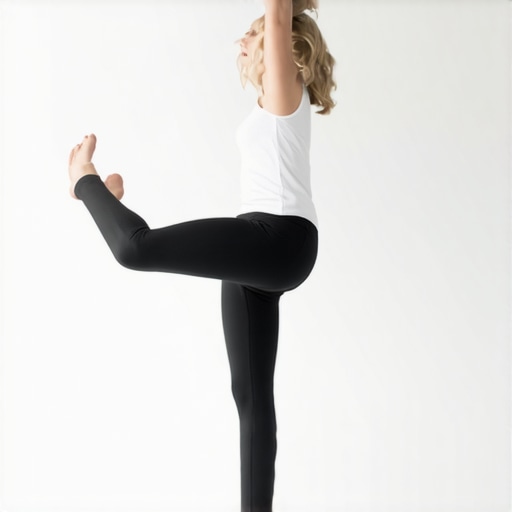
How to Balance on One Leg to Check Your Spine
I was standing in my kitchen last Tuesday, reaching for a bag of coffee on the top shelf, when I nearly took a header into the dishwasher. It wasn’t because I was clumsy—at least, I didn’t think so—but because my left leg felt like it had forgotten its job. It was a bizarre, disconnected sensation, like my brain’s stabilize button was on the fritz. That moment was my wake-up call that my back wasn’t just stiff, it was actually losing its ability to communicate with my feet. Today, I am going to show you how a simple thirty-second balance check can tell you more about your spinal alignment than any fancy gadget. We are going to fix that unplugged feeling together.
Stop Guessing and Start Balancing to Save Your Spine
For the longest time, I assumed my occasional wobbles were just a sign of getting older or maybe a lack of gym time. I made the classic mistake of focusing on my leg strength when the real culprit was my nervous system. You see, your spine is the command center for balance, and when things are out of whack, your internal GPS starts glitching. This is exactly why we test your balance during a spinal checkup; it is a window into how well your brain and body are talking. I spent years ignoring the fact that my right side was doing 90 percent of the work, and why your dominant leg is causing your pelvic imbalance is a lesson I learned the hard way after a nasty bout of sciatica. When your vertebrae are slightly misaligned, they can put pressure on the very nerves that tell your brain where your feet are in space. It is a subtle degradation of your proprioception. I remember trying to power through a long walk and feeling like one leg was shorter than the other. I was not growing unevenly; my spine was simply pulling my pelvis into a protective tilt. Have you ever noticed yourself leaning heavily on one side while waiting in line at the grocery store? If you have, you are likely compensating for a spinal shift you do not even know is there yet.
Is this just a gimmick for the yoga crowd?
Many people think balance is a nice-to-have skill, like juggling or playing the flute. But here is the kicker: according to a study published in the British Journal of Sports Medicine, the inability to balance on one leg for 10 seconds in mid-to-later life is linked to a significant increase in mortality risk. It is not just about flexibility; it is about neurological integrity. I used to be the biggest skeptic, thinking I could just power through my day with good enough posture, but your feet are actually your first line of defense for your neck and back. In fact, the secret to better balance starts with your big toe, which sends vital signals up the chain to your lumbar spine. If that big toe cannot grip or if your ankle is locked, your lower back has to pick up the slack, leading to that chronic ache that never seems to go away with just stretching. We are about to dive into the exact steps to diagnose your own alignment through simple movement so you can stop the cycle of stiffness before it locks you down.To get an honest reading of your spinal health, you need to eliminate the “cheat codes” your body uses daily. Most of us live in cushioned sneakers that act like a mute button for our feet. Before you start, kick off your shoes. I realized how much I was cheating when I tried this in my favorite running shoes; the foam was doing all the stabilizing for me. This is exactly why walking in flat shoes might be worsening your alignment if your arches are already collapsed. Stand on a hard, flat surface—no yoga mats yet. You want to feel the ground directly against your skin to wake up those dormant nerve endings.
The Thirty-Second Stork Check
Now, lift one foot off the ground just a few inches. Keep your hands at your sides, not flailing like a bird. I remember the first time I did this; I felt like a Jenga tower on a cruise ship. My right leg was solid, but my left was a mess of micro-shakes and wobbles. If you feel your ankle snapping back and forth like a frustrated windshield wiper, that is your nervous system struggling to find its center. If you find yourself leaning heavily to one side, you are seeing a physical manifestation of why your dominant leg is causing your pelvic imbalance. If you can’t hold this for thirty seconds without putting your foot down, your brain is losing its connection to your lower spine. 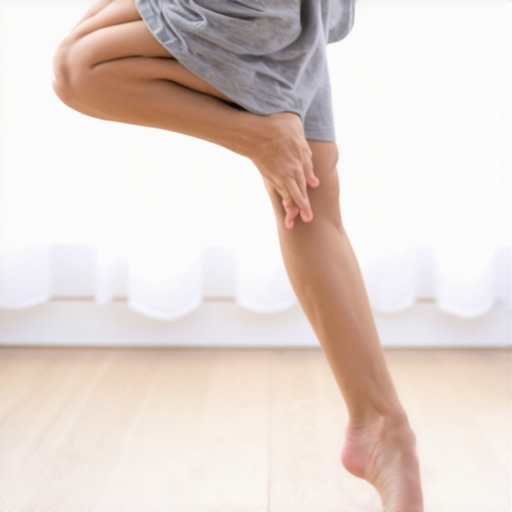
Stop Fighting Your Own Pelvic Tilt
When we wobble, our body usually compensates by hiking up one hip or over-rotating the pelvis. This is where the real damage happens because your spine has to curve to keep your head level. Imagine your pelvis is a bowl of water; if it tilts, the water spills, and your lower back muscles have to tighten up to ‘catch’ it. During a professional assessment, this is why we check your leg length during every visit—to see if that tilt has become your “new normal” and is putting uneven pressure on your discs. To fix this at home, try to keep your belt line level while balancing. If you feel a sharp pinch in your mid-back, it’s a sign that your lumbar spine is overworking to keep you upright. You might even find that boost mobility ease pain chiropractic techniques unveiled in a clinical setting are necessary to unlock that joint before your nervous system will allow you to balance properly.
Why Your Toes Are the Secret to Lumbar Stability
Most people forget their feet even exist until they hurt, but they are the literal foundation of your spinal column. Think of your foot like a tripod. If one leg of that tripod—specifically your big toe—is weak, the whole camera, which is your spine, shakes. If your big toe isn’t “grabbing” the floor, your glutes won’t fire. Without glutes, your lower back takes the full hit of every step you take. You can actually how to improve your balance by strengthening your toes by practicing simple “towel curls” with your feet while you watch TV. I spent three weeks focusing on my foot grip, and the nagging ache in my L5-S1 joint practically vanished because my back finally had a stable base to sit on. This isn’t just about balance; it’s about rebuilding the neurological bridge from your brain to your basement. When your foundation is solid, the link between ankle mobility and lower back stability becomes the primary key to staying pain-free during your daily routine.Let’s dig deeper into why so many of us fail even after we start doing our exercises. The most common myth I see is the ‘frozen soldier’ approach to health. You have probably been told since kindergarten to ‘sit up straight,’ but in reality, why sit up straight is actually bad advice for some comes down to spinal compression. When you force a rigid, military-style posture, you are actually creating a massive amount of static tension. I used to think I was doing my back a favor by staying perfectly upright at my desk, but I was just suffocating my discs. Real health isn’t a static position; it is the ability to move through positions fluidly. This is why your perfect posture is actually making you stiff and why you feel like you need a massage every single weekend just to unglue your shoulders.
Is my core strength actually protecting my spine or just locking it up?
It sounds counterintuitive, but a ‘strong’ core can be a massive trap if you don’t know how to turn it off. Many athletes I work with have ‘braced’ their way into chronic pain because they never let their abdominal wall relax. This rigidity is one of the biggest mobility mastery expert tips for back pain prevention and recovery: you need adaptability, not just armor. If your core is always ‘on,’ your spine can’t absorb shock. Research published in the journal Manual Therapy suggests that individuals with chronic low back pain often demonstrate increased trunk muscle co-contraction—meaning they are literally too stiff for their own good. This constant bracing leads to the connection between shallow breathing and back pain, as your diaphragm can’t drop properly if your abs are perpetually flexed. 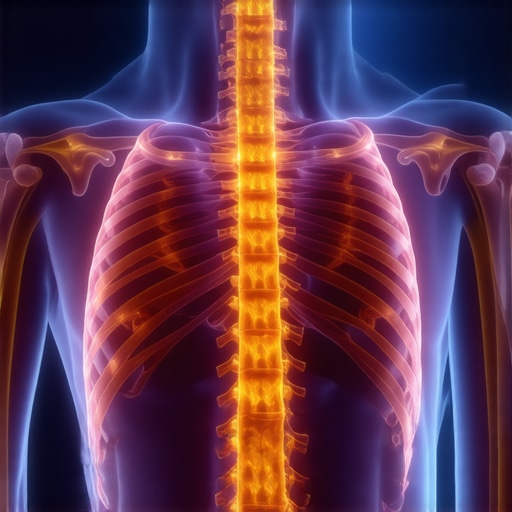 Here is the ‘oops’ factor you need to watch out for: stretching into a sharp ‘block.’ If you feel a hard stop in your joint, no amount of pulling will fix it. That is usually a bone-on-bone signal or a neurological guard. If you keep pushing, you’re just irritating the nerve further. This is precisely why we look at your ribcage movement for better mobility rather than just telling you to stretch your hamstrings. Your ribs need to expand to allow your spine to decompress. When you master this, you move from just ‘surviving’ the day to actually feeling light in your own body. This is also where boost your back health simple yet effective chiropractic hacks like dynamic stretching and mindful breathing come into play. Have you ever fallen into this trap of trying to be too ‘perfect’ with your posture? Let me know in the comments below.After I realized that my perfect posture was actually a rigid straitjacket, I had to find tools that actually worked without requiring me to live at the gym. I am not talking about those vibrating massage guns that cost five hundred dollars; I am talking about simple, biomechanically sound adjustments to my environment. For instance, I spent years buying the most expensive office chairs, only to realize the missing piece was just a few dollars of support. Learning the correct way to use a lumbar roll in your office chair changed how I felt after a ten-hour shift more than any fancy ergonomic mesh ever did. It is about maintaining that natural curve without forcing it into a shape it was not meant to hold. As we look toward the future of spinal health, I see a massive shift away from passive treatments toward active spinal hygiene. In the next decade, I predict we will see bio-feedback clothing that vibrates when your pelvic tilt exceeds a certain threshold, essentially providing a digital chiropractor in your pocket. However, the fundamentals of how your joints stack will never change. This is why revitalize your mobility proven strategies for back pain relief focus so much on your daily micro-movements rather than one-off fixes. I personally rely on the Spine Hygiene principles popularized by Dr. Stuart McGill, a world-renowned expert in spine biomechanics. He argues that it is not the hour you spend in the gym that matters most, but the twenty-three hours you spend moving—or not moving—outside of it.
How do I maintain my spinal mobility for the long haul?
The secret is not a better chair; it is a better strategy for movement. If you have a desk job, you likely feel like you are fighting a losing battle against gravity every afternoon. I have found that how to stay mobile when you have a desk job and no time for the gym comes down to the 20-8-2 rule: 20 minutes of sitting, 8 minutes of standing, and 2 minutes of intentional movement. During those two minutes, I do not just walk; I focus on opening up the areas that the chair tries to close down. If you feel that familiar catch in your lower spine, remember that why we adjust your mid-back to help your lower back recover is because a stiff thoracic spine forces the lumbar area to do all the heavy lifting. 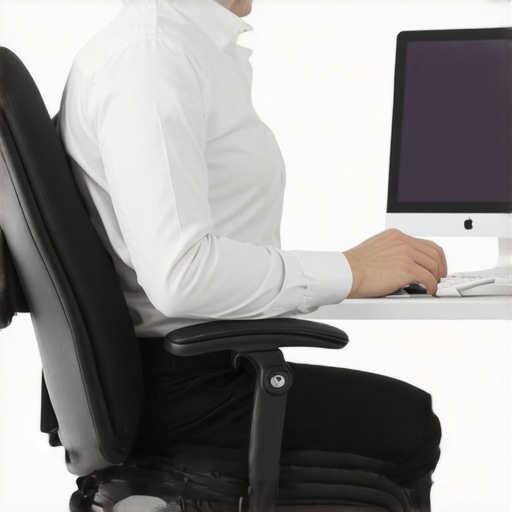 I also had to unlearn the idea that tightness always needs a long, static stretch. Sometimes, that tightness is actually your body trying to create stability because you are too loose elsewhere. This is exactly why your strong core might actually be too rigid; your muscles are on high alert, and stretching them just makes them panic more. Instead, I use a lacrosse ball to provide targeted pressure to the fascia without over-lengthening the muscle. When you combine this with professional care, the results are night and day. Seeing how back pain recovery how chiropractic care transforms lives often involves these small, sustainable tool-based habits, it becomes clear that consistency beats intensity every time. My challenge to you is simple: next time you sit down, try using a rolled-up towel in the small of your back for just twenty minutes and see if that unplugged feeling starts to fade.
Lessons My Spine Taught Me the Hard Way
I used to believe that spinal health was something you only addressed when things broke down. After years of trial and error, I realized that mobility mastery expert tips for back pain prevention and recovery aren’t just for athletes; they are for anyone who wants to pick up their groceries or grandkids without fear. I learned that my body doesn’t care about my ‘perfect’ gym routine if I spend the rest of my day in a rigid, compressed state. Another major shift was understanding the hidden link between neck pain and spinal health, which taught me that tension in my jaw or shoulders was often a distress signal from my lower back. Finally, I discovered that true stability is dynamic—it is about being able to wobble and recover, not staying perfectly still.
Tools That Earned a Permanent Spot in My Life
To maintain my progress, I have curated a small kit of non-negotiables. First, a simple lacrosse ball has become my best friend for releasing the fascia in my hips and upper back. Second, I have swapped my cushioned shoes for flatter options because why we look at your feet to solve your neck issues is a concept that proved itself the moment my chronic headaches vanished after I fixed my gait. I also highly recommend looking into the spine hygiene principles of Dr. Stuart McGill for anyone wanting a deeper dive into spine-safe movements. These resources, combined with revitalize your mobility proven strategies for back pain relief, provide a roadmap that works even on my busiest days.
Reclaim the Joy of Movement
Your journey toward a more resilient spine does not have to be a complicated one. It starts with the awareness you have gained today and the willingness to listen to what your body is trying to tell you. We have seen how back pain recovery how chiropractic care transforms lives by shifting the focus from temporary fixes to long-term habits. Don’t be afraid to start small—even a few minutes of intentional movement can break the cycle of stiffness and give you your freedom back. You deserve to move through the world with ease and confidence. Have you noticed that your balance is significantly better on one side than the other? Let me know in the comments below!