How to Pick Up Your Kids Without Throwing Your Back Out
I remember the exact Tuesday my back finally gave up on me. My two-year-old was having a full-blown meltdown over a sliced banana, and without thinking, I leaned over the kitchen chair, reached out with straight legs, and tried to scoop up thirty pounds of flailing toddler. Snap. It wasn’t a loud sound, but the silence that followed in my nervous system was deafening. I spent the next four days staring at the ceiling, wondering how a person who used to run half-marathons could be defeated by a banana-hating toddler. It was humiliating. It was painful. And honestly, it was entirely preventable if I hadn’t been so lazy about my form. I had fallen into the trap of thinking my body was invincible just because I was ‘only’ doing parent stuff. If you’ve ever felt that terrifying twinge while reaching for a car seat, you know exactly what I’m talking about. Today, I’m going to share the hard-won lessons I learned through back pain recovery so you can keep being the fun parent without the chronic limp.
The Mistake That Nearly Kept Me From the Playground
For years, I ignored the basic mechanics of understanding back pain, thinking that ‘lifting with your legs’ was just something people said at the gym. My biggest blunder? Reaching away from my center of gravity. When you reach out to grab a kid, you’re essentially using your lower vertebrae as a literal crowbar. According to the World Health Organization, low back pain is the single leading cause of disability worldwide, and for parents, much of this stems from repetitive, awkward loading. I used to think I could just ‘power through’ the stiffness. I was wrong. I had to learn the proper way to carry a toddler by treating my daily life like an athletic event. Have you ever had a moment where a simple movement like picking up a toy made you realize your back isn’t what it used to be?
Can I really pick up my toddler without ending up on the floor?
You might be skeptical that ‘form’ matters when a kid is running toward a busy street or climbing the curtains. I get it. Life moves fast. But the reality is that your spine doesn’t care about your excuses. If you don’t stabilize your core before the lift, you are gambling with your mobility. I had to learn how to handle a sudden back spasm the hard way because I wouldn’t take ten seconds to set my feet. The secret isn’t just in the legs; it’s in the proximity. If you aren’t hugging that kid close before you lift, you’re asking for trouble. We’re going to dive into the specific ‘hug and hinge’ technique that changed my life, but first, let’s look at why your current ‘reach and grab’ habit is a ticking time bomb for your discs.
Move Like a Crane Not a Slinky
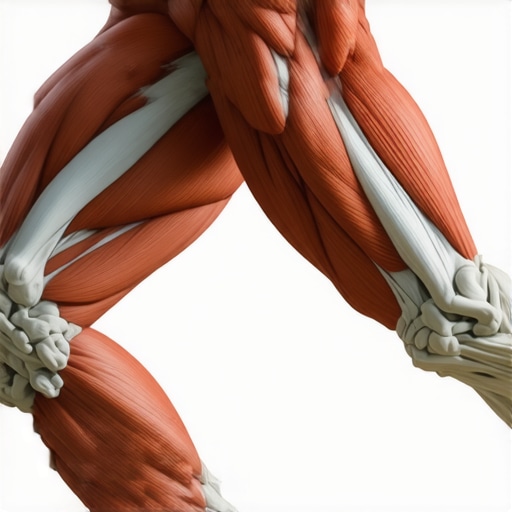
Think of your spine like a construction crane. A crane is incredibly strong when the load is held close to its center, but the moment that weight swings too far out, the whole structure groans under the tension. Your lower back is exactly the same. When you reach over a crib rail with straight legs, you are turning your vertebrae into a fragile lever. To fix this, you must master the ‘Hug and Hinge.’ I remember a few months after my big injury, I was at the grocery store. My toddler was screaming for a specific blue box of cereal, and the floor was covered in spilled grapes. In the past, I would have just leaned over and snatched him up. Instead, I stopped, stepped over the grapes, and got so close that my shins were touching his shoes. I squatted, kept my chest up, and pulled him into my sternum before I ever thought about standing. It felt weirdly mechanical at first, but for the first time in years, I didn’t feel that sickening ‘twang’ in my lumbar. Using the proper way to carry a toddler isn’t about being slow; it’s about being efficient.
Get Close Enough to Smell the Toddler Shampoo
The single biggest mistake is the ‘long reach.’ If your arms are fully extended when you pick up a child, or even a heavy laundry basket, you are multiplying the force on your discs by up to ten times. You need to eliminate the gap. Before you lift, step into their space. If they are on the floor, drop into a deep squat or a lunge. This allows you to revitalize your mobility by using your largest muscles—your glutes and quads—rather than your tiny spinal stabilizers. 
Turn Your Belly into a Solid Pillar
Imagine your torso is an aluminum soda can. If that can is full and sealed, you can stand on it without it crushing. If it’s empty or dented, it collapses instantly. This is why you must learn how to breathe into your lower back to create internal pressure. Before you lift, take a sharp breath into your belly—not your chest—and tighten your abs like someone is about to poke you. This ‘bracing’ creates a pressurized cylinder that protects your discs from the inside out. I started doing this even for small tasks, like when I had to how to pick up your laundry basket safely, and the cumulative relief was staggering.
Wake Up Your Glutes Before the Lift
Your butt is the engine of your body, but most of us have ‘gluteal amnesia’ from sitting too much. If your glutes aren’t firing, your lower back has to do all the heavy lifting. You can use the pelvic tilt trick for instant lumbar relief to reset your positioning. When you go to lift your child, squeeze your glutes at the bottom of the movement. This stabilizes the pelvis and ensures that the power comes from your hips. If you find your hips feel stuck, it might be why your glutes won’t fire, which is a common hurdle in long-term recovery. By implementing these boost your back health simple yet effective chiropractic hacks, you stop being a victim of your daily routine and start training your body to be resilient enough for the chaos of parenthood.
The Stretching Trap You Are Probably Falling Into
For years, I believed the ultimate lie of the fitness world: that if something feels tight, you should stretch it until it gives up. Every morning after my injury, I would drop into a deep forward fold or a ‘cat-cow’ sequence, desperate to loosen my lumbar. But here is the nuance most people miss: that ‘tight’ feeling is often your brain’s way of creating a protective splint. When your spine is unstable, your muscles seize up to prevent you from moving into a range of motion that could cause further nerve damage. If you force those muscles to relax through aggressive stretching, you are effectively removing the only thing keeping your discs in place. This is the ‘Oops’ factor that keeps people in a cycle of chronic pain. I had to realize that why your foam roller might be hurting your lower back was actually because I was trying to mobilize an area that desperately needed stability. Dr. Stuart McGill, a leading expert in spine biomechanics and author of Back Mechanic, famously argues that for many patients, the goal shouldn’t be flexibility, but rather ‘stiffness’—the ability of the core to lock the spine in place during movement.
How Do I Know If My Tightness Is Actually a Protective Spasm?
This is the advanced question every parent needs to ask. If you stretch and feel instant relief, but the tightness returns with a vengeance thirty minutes later, you aren’t dealing with a ‘short’ muscle; you’re dealing with a neurological guard. This is why why we test your reflexes during a back exam is so critical; it helps us determine if your nervous system is in a state of high alert. If you keep stretching a protective spasm, you risk creating micro-instability in your vertebrae. Instead of stretching the lower back, I found that I needed to restore your range how chiropractic care enhances movement in the hips and mid-back (the thoracic spine) instead. When your hips move freely, your lower back doesn’t have to. 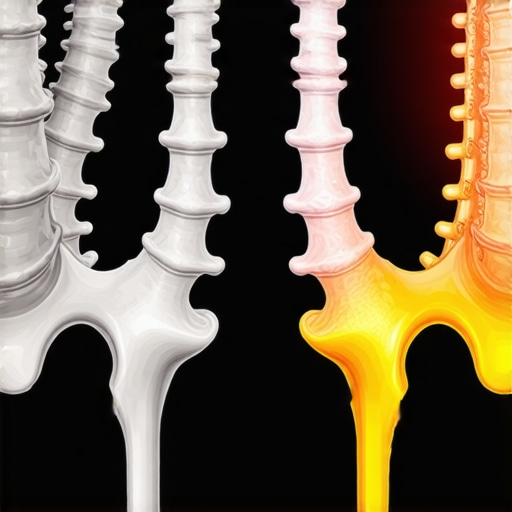
Trade Your Yoga Mat for Real Core Stiffness
Most ‘back-friendly’ workouts focus on movement, but true mobility mastery expert tips for back pain prevention and recovery often center on *preventing* movement in the lumbar. Think of your lower back like the foundation of a house. You don’t want the foundation to be flexible; you want it to be solid. I shifted my focus from stretching my lower back to neck back pain solutions insights from wellness experts that emphasized whole-body tension. When you lift that toddler or a heavy grocery bag, your spine should be the quietest part of your body. This nuance—learning the difference between a muscle that needs a stretch and a joint that needs a stabilizer—is the secret to long-term relief. Have you ever fallen into this trap of stretching a painful area only to have it feel tighter an hour later? Let me know in the comments. By focusing on boost your back health simple yet effective chiropractic hacks that prioritize alignment over raw flexibility, you stop fighting your body’s natural defense mechanisms and start working with them.
Skip the Fancy Chairs and Grab a Towel
After I stopped the obsessive stretching, I realized that my environment was constantly undoing my progress. I used to think I needed a thousand-dollar ergonomic throne to fix my posture, but the most effective tool I found was literally in my linen closet. I started learning how to use a rolled-up towel to fix your cars lumbar support, and it was a game-changer for those long school pick-up lines. Why? Because most car seats are designed for the average of everyone and the specific needs of no one. By placing a firm roll right at the beltline, you maintain that natural inward curve (lordosis) that prevents the ‘slinky’ collapse I mentioned earlier. I also became militant about my sleep setup. It sounds like a marketing gimmick, but why your pillows should be replaced every eighteen months is actually about the breakdown of structural foam; if your neck isn’t supported, your mid-back will never fully relax.
How can I maintain a healthy spine without a gym membership?
The secret isn’t in a 60-minute workout once a week; it’s in the ‘micro-breaks’ you take throughout the day. I swear by the ‘Bruegger’s Relief Position’ every time I finish a task. It takes ten seconds to externally rotate your arms and open your chest, and it’s the best way to enhance mobility naturally with chiropractic care principles without needing an appointment. If I feel a deep ache after a day of carrying kids, I use a percussive massager, but I’ve learned how to use a massage gun on your lower back safely by avoiding the spine itself and focusing on the glutes and hip flexors. According to Robin McKenzie, author of Treat Your Own Back, most mechanical back pain is a result of prolonged poor positioning rather than a specific trauma. This means your maintenance is simply about ‘resetting’ the clock. 
Smart Tech is Coming for Your Slouch
Looking ahead, I predict we are moving away from passive furniture and toward active biofeedback. We are already seeing wearable sensors that vibrate when your shoulders round, but the next step is AI-driven desk setups that adjust their height based on your spinal fatigue markers. Until then, you have to be your own sensor. I use the the 30 second reset for tech neck fatigue every time I close my laptop. It’s about building a ‘body-awareness’ muscle that is stronger than your habit of slouching. When you combine these small daily resets with mastering back neck pain relief tips from the pros, you create a buffer against the wear and tear of parenthood. Try this today: the next time you sit down to eat, check if your sit-bones are actually under you or if you’re tucked under like a scared dog. That one-second adjustment is where long-term recovery actually lives.
The Hard Truths My Spinal Reset Taught Me
Living through a back injury while chasing a toddler taught me things no textbook could. First, I realized that stiffness is often your body’s way of protecting you from yourself. If I hadn’t learned mobility mastery expert tips for back pain prevention and recovery, I would still be fighting my own muscles. Second, I discovered that my mental state was a physical burden; I noticed that my neck hurts more when I am stressed, creating a chain reaction down to my lumbar. Third, the quick fix doesn’t exist. Real change happened when I committed to simple yet effective chiropractic hacks that I could do while waiting for the coffee to brew.
My Personal Blueprint for Daily Mobility
If you want to stop the cycle of spasms, you need a toolkit that works in the real world. I rely on three things. First, I never drive without lumbar support; learning how to use a rolled-up towel fixed my posture during the school run. Second, I stopped sleeping on ancient foam; I finally understood why your pillow choice matters more as you age and invested in support that actually keeps my neck neutral. Finally, I replaced generic yoga with targeted movements, like the best stretches for people who sit cross-legged, which helped open my hips without straining my sensitive lumbar discs.
Your Spine Deserves a Fresh Start
You don’t have to accept a chronic limp as the price of parenthood. By shifting your focus toward stability and proximity, you can see how back pain recovery transforms lives and regain the freedom to play without fear. It starts with one hug and hinge, one braced breath, and the decision to stop reaching away from your center. #IMAGE_PLACEHOLDER_E# You are much more resilient than your last injury suggests. Have you noticed your back feels worse after a particularly stressful day with the kids? Let me know your experiences in the comments below!