The Hidden Connection Between Your Feet and Mid-Back Pain
I used to spend my Tuesday afternoons frantically rubbing the spot between my shoulder blades, convinced that my laptop was the enemy. I bought every “ergonomic” gadget on the market, from vertical mice to chairs that look like they belong in a spaceship. But the ache never left. It wasn’t until I spent a full week walking in a pair of cheap, flat-soled sneakers that the “lightbulb” finally went off. My mid-back wasn’t just tired from typing; it was screaming because my foundation was crumbling.
The Day I Realized My Shoes Were Wrecking My Spine
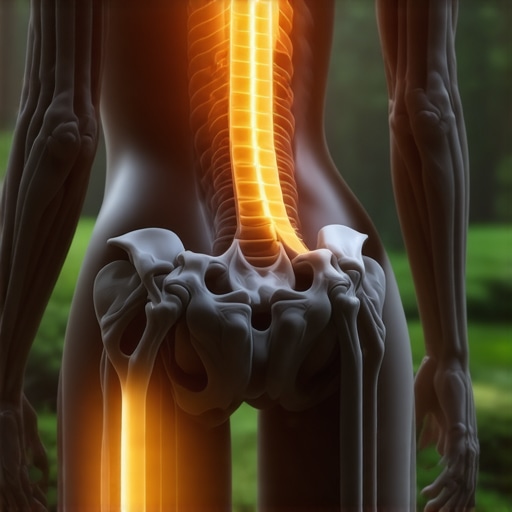
It sounds crazy, right? Why would a lack of arch support in your feet cause a sharp pinch near your ribs? I spent years ignoring my footwear, a mistake that cost me hundreds in useless “posture correctors.” When your feet don’t provide a stable base, your entire kinetic chain collapses. Your knees cave, your hips tilt, and eventually, your mid-back (the thoracic spine) has to work double-time to keep you upright. I finally learned that why we look at your feet to solve your neck issues and back problems isn’t just a chiropractic quirk—it’s basic physics. Today, I’m going to show you how to identify if your foot mechanics are the silent assassins of your comfort and how to fix it without throwing away your favorite shoes. According to the American Podiatric Medical Association, the average person takes 8,000 to 10,000 steps a day; if your alignment is off by even a fraction, that’s thousands of micro-traumas hitting your spine every single afternoon.
Is This Foot Connection Actually Worth the Hype?
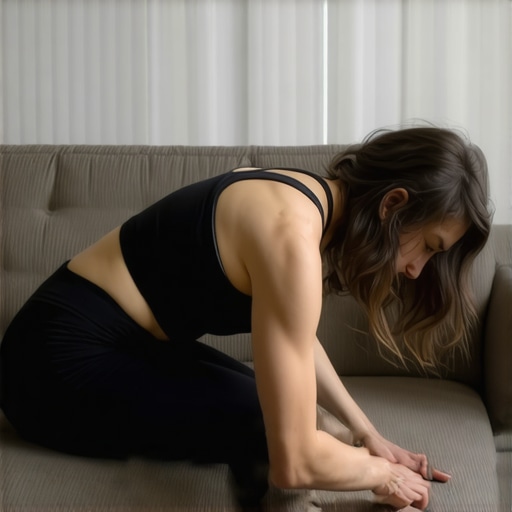
I get the skepticism. You’re thinking, “I need a massage, not new insoles.” I thought the same thing. But when I started focusing on things like how the secret to better balance starts with your big toe, the relief in my upper body was almost instantaneous. If you’ve been chasing the pain with a foam roller but it keeps coming back, you’re likely treating the symptom, not the source. I remember trying to fix my “slouch” by doing a scapular squeeze that relieves mid-back tension every ten minutes. It helped for a moment, but because my feet were still rolling inward, my shoulders naturally followed suit the second I stopped focusing. Have you ever felt like you’re fighting a losing battle with your own posture? Let me know in the comments if you’ve noticed your back feels worse after a long day of walking in flat boots or sandals. We’re going to dive into the specific mechanics of the “Foot-Thoracic Bridge” so you can finally stop that mid-back burn for good. It starts with how you stand, but it ends with you finally being able to sit through a movie without needing to crack your back.I used to think my back pain was strictly a desk problem, so I bought a fancy standing desk. It was a massive mistake. I stood for eight hours in memory foam slippers that had zero structure, and by 3 PM, my mid-back felt like it was being squeezed in a heavy vise. My chiropractor eventually pointed out that because my arches were collapsing, my pelvis was tilting forward, which forced my thoracic spine into a permanent, painful slouch. Here is exactly how you bridge that gap and fix the root cause.
Rebuild Your Foundation from the Ground Up
First, we have to master the Tripod Foot. Think of your foot not as a flat slab of meat, but as a camera tripod. You have three essential points of contact: the center of your heel, the base of your big toe, and the base of your pinky toe. If one leg of that tripod is weak, the whole camera—your spine—tilts and blurs. I remember trying to focus on this while waiting in a long line at the grocery store. I consciously pressed my big toe into the floor and felt a literal zip of tension travel up my inner thigh directly to my core. It sounds small, but the secret to better balance starts with your big toe because it engages the deep front line of your fascia that supports your entire trunk.
Find Your Tripod for Instant Stability
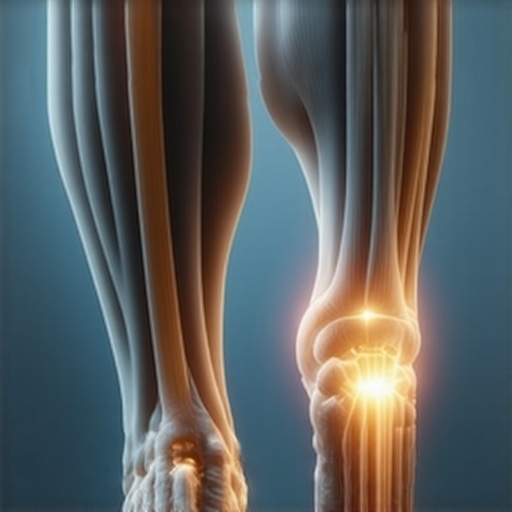
Once you have identified those three points, you need to practice active arching. This isn’t about curling your toes like you’re trying to pick up a marble; it’s about a neuro-muscular suction. When you lift that arch, your pelvis naturally settles into a neutral position rather than dumping forward. This is the pelvic tilt secret for effortless posture while walking that most people miss. I used to walk with my toes pointed out like a duck, which completely deactivated my glutes and left my mid-back to do all the heavy lifting. The moment I straightened my feet and engaged my arches, my lower back felt lighter, and the tension in my shoulder blades began to dissipate. 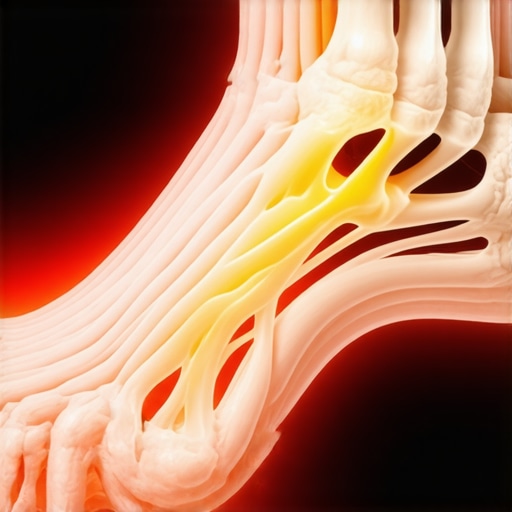
Link Your Arch to Your Hips
If you’ve ever felt like your hips are locked after a day in the office, it’s likely because your feet have disconnected from your core. You can even test this yourself by learning how to balance on one leg to check your spine; if you wobble immediately, your foot tripod is failing. Furthermore, understanding why tight calves cause lower back tension is crucial here. When your feet are flat, your calves shorten and pull on your posterior chain, eventually tugging on the fascia in your mid-back.
Unlock the Thoracic Cage Through Breath
Now that the bottom is stable, we have to address the frozen feeling in your ribs. When your feet are flat, your rib cage tends to flare out and lock up. To fix this, you need to integrate your breathing with your new grounded stance. Try the 10-second breath fix for rib pain: inhale deeply into your back ribs while maintaining that foot tripod. This creates internal pressure that pushes back against the slouch from the inside out. I practiced this during my evening commute, and for the first time in months, that sharp pinch between my shoulder blades didn’t show up when I hit the driveway.
The Mobility Move for Real Relief
If you are still feeling tight after grounding your feet, you need to move that mid-back through its full range. Most of us are stuck in a forward lean, and to counter this, I swear by the single best exercise for thoracic mobility, which involves gentle, anchored rotation. Without the stable foot base, this exercise is half as effective because your hips will just wobble to compensate. When you anchor your tripod, the rotation actually happens in your thoracic spine where you need it most.The biggest lie we are often told about mid-back stiffness is that we just need to stretch it out. I see people at the gym every day performing aggressive foam rolling or deep twisting, thinking they are fixing the problem. In reality, if your thoracic spine is stiff because your feet are collapsing, that stiffness is actually your body’s attempt to create stability where it is missing. When you aggressively stretch a stabilizing muscle without fixing the foundation, you are essentially pulling the nails out of a shaky house. This is exactly why icing isn’t always the best move for a stiff neck or a locked-up back—you might just be numbing a protective mechanism. Have you ever fallen into this trap where stretching actually made the pain worse? Let me know in the comments.
Stop Stretching Your Mid-Back into Oblivion
We often fall into the trap of thinking more mobility is always better. However, a 2019 study published in the Journal of Clinical Medicine highlighted that distal factors, such as foot position and ankle mobility, significantly alter proximal spinal loads. This means your thoracic tension is likely a secondary symptom of a primary foot failure. If you keep stretching the mid-back without engaging that tripod foot we discussed, you are creating a hyper-mobile segment that will eventually lead to more injury. I learned this the hard way when I tried to force my way through restore your range how chiropractic care enhances movement without first stabilizing my ankles. The result? A nagging rib flare that took weeks to calm down. 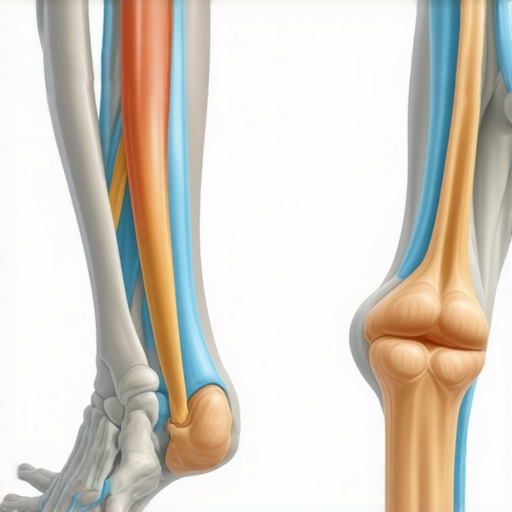
Why Does Your Neck Still Click Even After You Fix Your Feet?
This is a question I get from people who have mastered the tripod foot but still feel like their upper body is a bowl of Rice Krispies. The nuance here is that your body has likely developed a compensatory muscle pattern that has become its new normal. Even with a stable base, your deep stabilizers might be asleep on the job. This is why we adjust your mid-back to help your lower back recover and vice versa—the nervous system needs a reset to recognize the new, better alignment. If you are still hearing noises, you might need to check how to tell if your back pain is serious or if it is just your fascia rearranging itself after years of neglect.
Avoid the Passive Support Trap
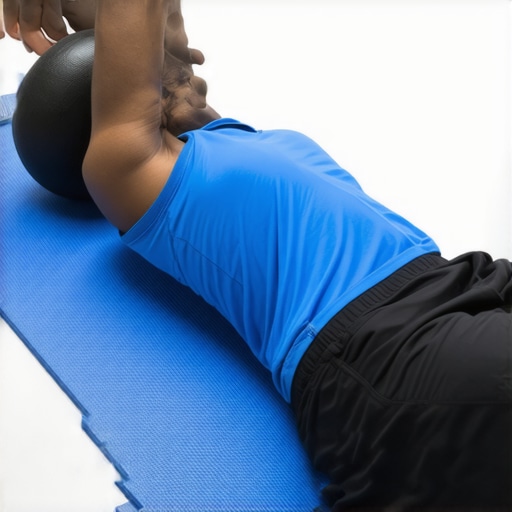
Another common mistake is relying too heavily on external gadgets like lumbar rolls or posture bras. These are band-aids. While they might feel good for twenty minutes, they actually allow your core and foot muscles to further atrophy. True mobility mastery expert tips for back pain prevention and recovery always involve active engagement. If you are wearing a brace, you aren’t teaching your brain how to hold your spine up using your own bio-mechanics. The goal is to move from needing support to being the support. When you combine active foot engagement with specific chiropractic adjustments, you aren’t just managing pain; you’re rebuilding the architecture of your movement. If you’ve been stuck in a cycle of temporary relief, it’s time to stop looking at the spot that hurts and start looking at how you connect to the ground.I have spent a small fortune on ergonomic gadgets over the years, but the most effective maintenance kit I own actually fits inside a small gym bag. It is easy to think that once you find relief, the work is done, but spinal health is more like brushing your teeth than fixing a flat tire. To keep my foundation solid, I have transitioned almost exclusively to footwear with a wide toe box. This is not just a fashion choice; it is about giving the ‘tripod foot’ room to actually function. According to a study published in the Journal of Biomechanics, shoes that allow for natural toe splay significantly improve force distribution during gait, which directly reduces the micro-trauma traveling up to your lumbar and thoracic segments. I also keep a tennis ball in my desk drawer at all times. When I feel that familiar burn starting, I use the technique for how to use a tennis ball to fix that spot under your shoulder blade to pin down tight fascia before it can pull my ribs out of alignment. It is a specific, targeted pressure that a broad foam roller simply cannot replicate. 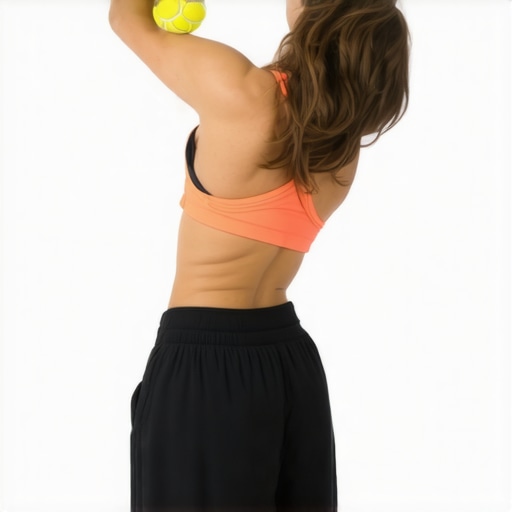
How do I keep this alignment working over time?
The secret to long-term success is realizing why your back feels better when you keep moving rather than just sitting in a ‘perfect’ posture. I have found that a the 3-step morning routine for hip mobility is the best way to ensure my pelvis is ready to support my spine for the day ahead. If your hips are locked, your feet will compensate by collapsing, and we are right back where we started with mid-back pain. This daily maintenance is what allows you to enhance mobility naturally with chiropractic care, turning your office visits into performance check-ups rather than emergency ‘fire-fighting’ sessions. I also recommend ‘micro-breaking’ every thirty minutes. I do not just stand up; I perform a quick arch-lift with my feet to reset my tripod and take three deep breaths to expand my lower ribs. This keeps the neuro-muscular pathways open and active. Looking ahead, I predict we are entering an era of ‘bio-responsive’ clothing and smart insoles that will provide real-time haptic feedback when our arches collapse or our shoulders round. This tech will make boost mobility ease pain chiropractic techniques unveiled even more powerful because we will have 24/7 data on our movement patterns. For now, you do not need fancy tech to restore your back mobility proven chiropractic strategies; you just need consistency. My challenge for you this week is to try the tennis ball release for just five minutes during your lunch break. You will be shocked at how much lighter your shoulders feel when you proactively target those tension points.
The Real Truth About Why Your Rib Cage Stays Locked
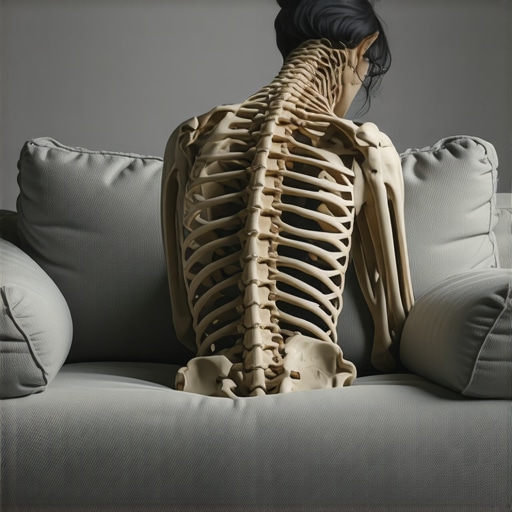
Chasing the persistent burn between your shoulder blades is a common trap that keeps many people in a cycle of temporary relief. I spent years rolling out my thoracic spine with a lacrosse ball only to realize the pain returned within hours because my foundation was essentially a pancake. One of the biggest lightbulb moments I had was realizing that stiffness is often a protective mechanism; if your feet are collapsing, your brain creates tension in your mid-back to prevent you from falling over. When you learn understanding back pain a guide to better posture and mobility, you see that the body is a single, interconnected unit. Stretching a stabilizing muscle without fixing your foot tripod is like loosening a bolt on a vibrating machine—it might move better for a second, but it will eventually rattle itself apart. Furthermore, I learned that footwear matters significantly more than your office chair; I would rather sit on a wooden stool in shoes that allow my toes to splay than in a luxury ergonomic chair while wearing flimsy, unsupportive slippers.
Tools for Building a Spine That Does Not Give Up
To maintain the progress you have made, you do not need an expensive gym membership. My personal toolkit for spinal resilience is simple and effective. First, I highly recommend transitioning to footwear with a wide toe box. Allowing the big toe to function as a stabilizer is the first step toward a healthy kinetic chain. Secondly, I keep a standard tennis ball nearby for targeted release. It is much more effective than a broad foam roller for how to use a tennis ball to fix that spot under your shoulder blade because it allows you to pin down specific knots in the fascia. Lastly, I advocate for intentional movement throughout the day. Instead of sitting in the same position for hours, I use the best way to sit on the floor without rounded shoulders as a way to reset my hip and pelvic alignment during evening relaxation. These small, low-tech habits are what ultimately lead to back pain recovery how chiropractic care transforms lives by reinforcing better movement patterns every single day.
#IMAGE_PLACEHOLDER_E#
Reclaim Your Movement One Step at a Time
It is easy to feel defeated when chronic stiffness becomes your daily companion, but you must remember that your body is incredibly adaptable. You are not “broken”; you are likely just misaligned. By focusing on your tripod foot and utilizing restore your back mobility proven chiropractic strategies, you are taking the power back from your desk job. Your journey toward lasting back pain relief starts the moment you stop looking at your symptoms and start respecting your biomechanics. You deserve to move without that constant, nagging pinch. Have you ever noticed your back feels better or worse depending on the specific shoes you wear throughout the week? Let me know your experience in the comments below!