How to Tell if Your Headache Is Actually Coming From Your Neck
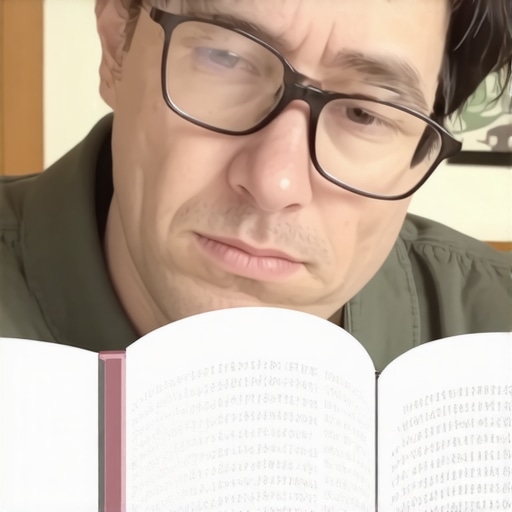
I spent three years convinced I had ‘stress migraines’ that were just part of being an adult. I’d shut the blinds, grab a cold compress, and wait for the world to stop throbbing. It was miserable. I was popping painkillers like they were candy, but the relief never lasted. Then came one Tuesday afternoon when the pain was so sharp I couldn’t even look at my monitor. In a moment of pure desperation, I reached back and pressed my thumb into the very top of my neck, right where the skull meets the spine. The pain spiked, then suddenly ‘shifted.’ That was my lightbulb moment. My head wasn’t the problem; my neck was. Today, I want to help you figure out if you are fighting the wrong battle, because once you realize the hidden link between neck pain and spinal health, everything changes.
Your Head Hurts but the Problem is Lower
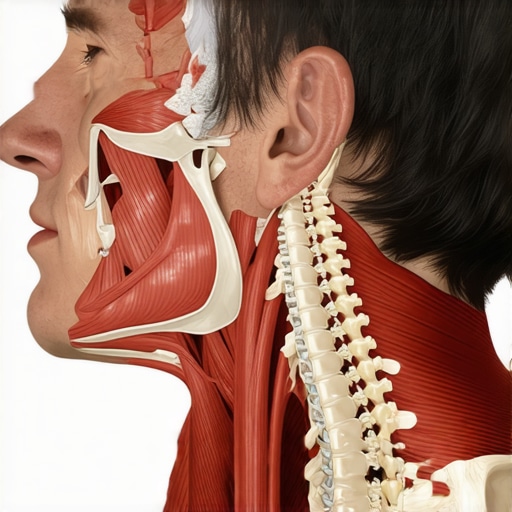
It sounds strange to say your forehead pain starts in your shoulders, but that is exactly how referred pain works. When I first started looking into this, I made a massive mistake: I only treated where it hurt. I’d rub my temples for hours while my poor neck was actually the one doing all the heavy lifting. This type of discomfort is called a cervicogenic headache. According to the American Migraine Foundation, these are often misdiagnosed because they mimic migraines so closely. The difference? Your neck is the literal source. If you’ve noticed that your neck muscles tighten during stress right before a flare-up, you’re likely dealing with a mechanical issue, not just a random headache. We are going to break down how to spot these signs before you waste another weekend in a dark room. Have you ever felt like your headache started as a stiffness in your shoulders?
Is a chiropractic adjustment actually worth the hype for headaches?
I used to be the biggest skeptic. I thought my neck ‘clicked’ enough on its own and I didn’t need a pro to help. But I learned the hard way that self-cracking isn’t a solution—it’s a band-aid that often makes things worse. Real relief comes from addressing the alignment that’s putting pressure on those nerves. When I finally sought out essential chiropractic tips for 2025, I realized that my desk posture was essentially trapping my nerves in a vice. You don’t have to just live with this. If you can identify the triggers, you can reclaim your focus. Let’s look at the specific ‘red flag’ movements that prove your neck is the culprit behind that pounding in your skull.
Turn Your Movement Into Medicine
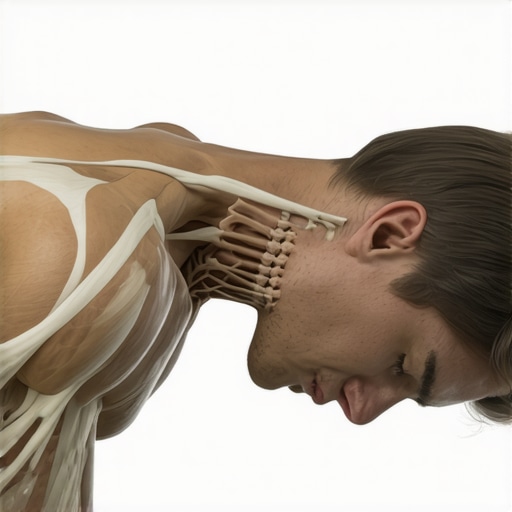
Think of your neck like a stack of bowling balls on a broomstick. If those balls aren’t perfectly centered, your muscles have to work like guy-wires in a hurricane just to keep your head from falling forward. This constant tension is what eventually radiates upward. I remember sitting through a three-hour Zoom call once, trying to ‘stretch’ my way out of a headache by pulling my head hard toward my shoulder. It felt okay for a second, but by the end of the call, my fingers were tingling. I had actually irritated the nerve more by overstretching. The real fix wasn’t pulling; it was stabilizing. When you learn how to strengthen your deep neck flexors, you give your spine the internal support it needs so those ‘guy-wire’ muscles can finally relax. The most effective move I ever learned was the chin tuck drill to combat tech neck instantly. It feels silly—like you’re giving yourself a double chin—but it’s the only way to reset the cervical curve.
Stop the Forward Lean That Strains Your Spine
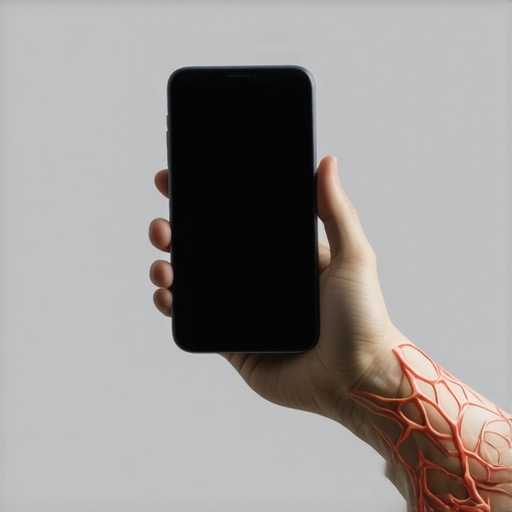
Most of us live in a state of ‘forward head posture.’ We lean toward our monitors, we hunch over our phones, and we wonder why our temples feel like they are in a vice. Even if you have a fancy setup, why your laptop stand is still causing neck strain often comes down to your eye level and shoulder position. You have to break the cycle of static loading. I started using the Brueggers relief move to reverse hours of hunched sitting every thirty minutes. It’s a 10-second reset that opens the chest and re-stacks the vertebrae. If you struggle to remember to move, follow the 20-20-20 rule for desk workers and neck health. This isn’t just for your eyes; it’s a cue for your entire musculoskeletal system to stop freezing in a bad position.
Use Temperature to Break the Pain Loop
When the headache is already thumping, you need to know how to use heat and ice for maximum relief. Most people reach for ice immediately, but why icing isnt always the best move for a stiff neck is a lesson I learned the hard way. If your muscles are in a literal spasm, extreme cold can sometimes cause them to guard even harder. I found that moist heat on the shoulders combined with a very short cold compress at the base of the skull was the magic ticket. This addresses the muscular tightness while simultaneously calming the inflammation of the nerves.
Fix Your Sleep Environment Once and for All
You can do all the drills in the world, but if you spend eight hours a night on a bad pillow, you’re fighting a losing battle. Look for 5 signs your pillow is trapping your neck in a bad angle. I used to wake up with a ‘morning headache’ that I thought was just dehydration. In reality, my pillow was too high, forcing my chin toward my chest all night. Once I switched to a contour pillow and learned the best way to sleep after a chiropractic adjustment, those morning flares virtually disappeared. Small adjustments to your sleep posture ensure your spine stays neutral while your body repairs itself.
Let’s dig deeper into why those headaches keep coming back even after you think you’ve fixed your posture. Most people assume that if a muscle feels tight, the solution is to stretch it until it screams. This is the biggest mistake I see in my practice and one I personally made for years. In the world of clinical biomechanics, we often deal with ‘protective tension.’ Your brain is literally tightening those muscles to stabilize a joint it perceives as vulnerable. If you force a stretch on a muscle that is trying to save your spinal cord, your nervous system will just clamp down harder ten minutes later. It’s a losing game. To get real results, you need to look at mobility mastery expert tips for back pain prevention and recovery that focus on stability over simple flexibility.
Your Neck Pain Might Start in Your Arches
Here is a truth that bugs a lot of people: your recurring neck pain might actually be a foot and hip problem. It sounds like a reach, but your body is a closed kinetic chain. If your arches are collapsing or your pelvis is tilted, your mid-back rounds to compensate, and your neck has to crane forward just so your eyes can remain level with the horizon. This is why we look at your feet to solve your neck issues during a comprehensive exam. I’ve seen dozens of cases where adjusting your hips can stop your recurring headaches because it finally levels the foundation that your cervical spine sits on.
Why does my thumb tingle when my neck feels fine?
This is a question I get from patients who are often confused by their symptoms. You might not even have a ‘stiff neck,’ yet your hand feels weak or your thumb is tingling. This is frequently a result of ‘double crush syndrome’ or peripheral nerve entrapment. A study published in the Journal of Manipulative and Physiological Therapeutics (JMPT) notes that cervical spine dysfunction can manifest as distal symptoms in the arms and hands without significant local neck pain. This explains why your thumb pain is actually coming from your neck. In these instances, we often have to adjust your neck to fix your numb hands, effectively removing the pressure from the nerve root that acts like a kinked garden hose.
Avoid the Trap of the Temporary Fix
The ‘Oops’ factor in chiropractic care is thinking that a single ‘pop’ is the end of the journey. I’ve fallen into this trap myself—feeling instant relief and immediately going back to the same desk habits that caused the misalignment in the first place. Real back pain recovery and how chiropractic care transforms lives happens in the weeks following the adjustment when you integrate better movement patterns. You cannot out-adjust a lifestyle that consistently stresses your joints. Have you ever fallen into this trap—feeling better and immediately going back to your old slouch? Let me know in the comments.
I used to believe that my monthly visit to the chiropractor was a ‘get out of jail free’ card for eight hours of daily slouching. It wasn’t. Real progress started when I began viewing my home office as a laboratory for my health rather than just a place to grind. You don’t need a $3,000 ergonomic chair to find relief, but you do need to understand how to adjust your monitor to avoid eye and neck strain so your head isn’t constantly drifting forward like a turtle. One of the most effective tools in my arsenal is actually the cheapest: a simple tennis ball. Learning how to use a tennis ball to fix that spot under your shoulder blade allowed me to break up muscle adhesions before they turned into a full-blown migraine. It’s about having a toolkit that moves with you, not just a static furniture set.
The Gadgets That Actually Earned Their Keep
I’ve tried every back-cracking device on the market, and most are junk. However, I’ve found that a massage gun is indispensable when used correctly. The trick is knowing how to use a massage gun on your lower back safely—you have to stay on the meat of the muscle and avoid the vertebrae at all costs. Over-vibrating a joint that is already inflamed is a recipe for a week of spasms. For the upper body, the biggest win was ditching my laptop screen and using a stand. Even if you are on the go, knowing how to set up your laptop at a coffee shop pain-free ensures that a quick email session doesn’t ruin your weekend mobility. Research published in the Journal of Physical Therapy Science indicates that real-time biofeedback—basically just being reminded of your posture—significantly reduces musculoskeletal pain over a 12-week period. This is why I use a simple interval timer to trigger the Brueggers relief move to reverse hours of hunched sitting every hour.
How do I maintain these spinal gains over time?
Consistency beats intensity every single time. You can’t out-stretch a sedentary lifestyle with one massive workout on Saturdays. You have to revitalize your mobility with proven strategies that are woven into your day. This means checking your foundation constantly. I often tell people to start from the ground up because the secret to better balance starts with your big toe. If your feet are active, your glutes fire; if your glutes fire, your lower back stays stable. I’ve integrated the 3-step morning routine for hip mobility into my life before I even have my first cup of coffee. It takes four minutes, but it sets the tone for how my spine will handle the day’s stress. If you’re serious about long-term results, you need to enhance mobility naturally with chiropractic care as a preventative measure, not just a reactive one.
The Future of Your Spine is Wearable
I predict that in the next few years, we are going to see a massive shift toward wearable haptic feedback devices. We already have watches that tell us to stand, but soon we will have sensors that vibrate the moment your thoracic spine begins to round too far forward. This tech will bridge the gap between your chiropractor’s office and your cubicle. Until then, we have to be our own sensors. Start using the scapular squeeze that relieves mid-back tension every time you send a text message. It’s a simple habit loop: phone in hand equals shoulder blades back. I challenge you to try the 20-20-20 rule today—not just for your eyes, but as a cue to reset your neck position. Small, conscious wins are the only way to avoid overcoming chronic neck discomfort for the rest of your life.
Lessons Learned at the Adjustment Table
Reflecting on my journey from chronic headaches to fluid movement, I’ve realized that the most profound changes didn’t happen in the treatment room, but in the small choices I made between appointments. First, I had to accept that chasing the pop is a distraction; the real magic happens when the pressure on the nervous system is gone and your body can finally communicate with itself. Second, I learned that movement is the only way to keep your results. If you don’t move it, you truly do lose it. Finally, I discovered that patience is a non-negotiable part of healing. Nerves take longer to calm down than muscles do, and giving yourself the grace to heal without rushing back into bad habits is essential for effective neck pain management.
My Daily Mobility Toolkit
I don’t leave my spinal health to chance anymore, and neither should you. My go-to tools are simple but transformative. I always keep a massage gun nearby, though I make sure I am using a massage gun on my lower back safely to avoid bone-on-bone vibration. For those stubborn knots that feel like a hot coal behind my ribs, I rely on the tennis ball trick for shoulder blade relief to release tension at the source. Lastly, I cannot recommend the 20-20-20 rule enough. Integrating the Brueggers relief move to reverse hours of hunched sitting into my workday has been the single most effective way to prevent my posture from collapsing. These tools turn a reactive approach into a proactive one.
Small Steps Toward a Pain-Free Future
You don’t have to be a prisoner of your posture or wait for the next flare-up to take control of your health. The journey toward overcoming chronic neck discomfort starts with a single, conscious decision to stand up taller and breathe a little deeper. Your spine is your lifeline; when you treat it with respect and provide it with the movement it craves, your entire quality of life improves. Don’t let another day pass in a fog of avoidable pain. Reclaim your focus and your comfort by committing to these small, daily wins for your neck and back pain. Which of these postural habits has been the hardest for you to break? Let me know in the comments below!