Stop Doing Sit-Ups if You Have a Bulging Disc
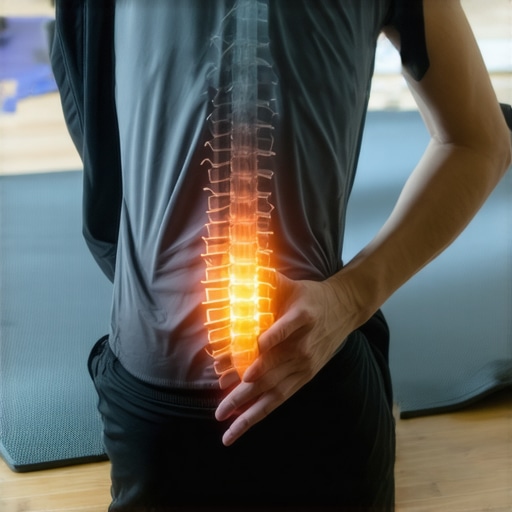
I spent years believing that if I just did enough sit-ups, my lower back would eventually stop hurting. I thought my spine was weak, and the only way to “armor” it was through endless repetitions of crunches and leg raises. Then, one Tuesday morning, the lightbulb went off—or rather, a lightning bolt shot down my leg. I was midway through a set when my back simply gave out, leaving me paralyzed on the floor with a bulging disc. I had been feeding the very fire I was trying to put out. If you are struggling with a disc injury, you need to know that your gym routine might be your biggest enemy. We are going to fix that today by ditching the dangerous movements and focusing on true stability.
The Agonizing Mistake of Flexing Your Way to a Healthy Spine
When I first started my journey into back pain recovery, I made the classic rookie error: I assumed “core” meant “six-pack.” I was crunching away, completely unaware that every repetition was essentially squeezing the jelly out of my spinal discs like a donut under a steamroller. It is a common trap. We are taught that strength is the answer, but we are rarely taught how to move safely when our anatomy is compromised. If you are currently in the thick of it and not sure where you stand, learning how to tell if your back pain is serious is your vital first step. For those of us with a bulging disc, the traditional sit-up is like taking a hammer to a cracked porcelain plate. According to Harvard Health Publishing, sit-ups put a massive amount of pressure on the spine, which can exacerbate existing injuries rather than fixing them. Have you ever noticed that your back actually feels tighter or more “fragile” right after a core day?
Can You Really Build Core Stability Without Bending Your Back?
Most people are terrified that if they stop doing sit-ups, their midsection will turn into mush and their back will lose all its support. I was terrified of that exact thing too. But the reality is that why your core strength isn’t stopping your back from hurting usually comes down to the type of strength you are building. You don’t need flexion; you need anti-rotation and anti-extension. You need movements that keep the spine neutral, like the dead bug variation that actually fixes lower back instability. Today, I am going to show you why staying “stiff” in the right places is the secret to getting your life back and why moving less might be the key to finally moving more.
Master the Art of the 360-Degree Brace
Imagine your midsection as a pressurized soda can. If the can is empty or dented, it collapses under the slightest weight. If it’s full and sealed, it can support an incredible amount of pressure. This is the essence of how you restore your back mobility through stability rather than movement. I remember the first time I tried this; I sucked my stomach in so hard I nearly passed out. I was trying to look thin, not stay stable. My chiropractor corrected me: I needed to push my abdominal wall out against my waistband, filling the “cylinder” with air. This is why learning how to breathe properly to reduce tension in your shoulders and your lower back is the foundation of everything else.
Stop Flaring Your Ribs to Save Your Spine
One of the quietest killers of spinal health is a flared rib cage. When your ribs tilt upward, you lose the connection between your diaphragm and your pelvic floor. This puts a massive amount of “shear” force on your lumbar discs. If you’ve noticed why your ribs flare when you reach overhead, you are likely leaking power and stability every time you move. To fix this, think about “knitting” your ribs down toward your hip bones. This simple adjustment creates a rigid pillar that protects a bulging disc from unnecessary twisting. During my recovery, I realized I was flaring my ribs every time I reached for a coffee mug, which was undoing all my hard work at the gym.
The Only Core Movement You Actually Need
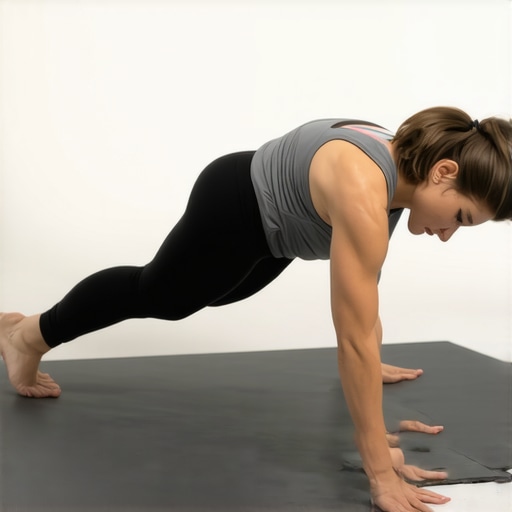
Instead of the traditional sit-up, we focus on the dead bug variation that actually fixes lower back instability. Lie on your back, knees up, and arms reaching toward the ceiling. The goal isn’t to move fast; it’s to move while keeping your lower back pressed firmly into the floor. If a fly could crawl under your lower back, you’ve lost the brace. I used to rush through these until I realized that slow, controlled tension is what actually builds the endurance your spine needs. This transition is a vital part of back pain recovery. You might also want to check the bird dog mistake that puts stress on your spine to ensure your other stability exercises aren’t accidentally doing more harm than good.
Why Your Glutes are Secretly Protecting Your Discs
You cannot talk about the core without talking about the hips. Your glutes are the primary shock absorbers for your lower back. If they aren’t firing, your spine has to do the heavy lifting. This is why your glute medius is more important than your abs for back health. When I was recovering, I found that even simple walking was painful because my hips were “dead.” By integrating the hip bridge modification for severe lower back sensitivity, I was able to wake up those muscles without triggering a flare-up. It’s about building a fortress around the injury so the disc finally has the peace it needs to heal. When I finally slowed down and prioritized the stiffness of my spine over the burn in my abs, the shooting pain in my leg finally started to recede.
It sounds like a paradox, but the very flexibility you are chasing might be the reason you aren’t healing. In the world of mobility mastery, we often confuse ‘range of motion’ with ‘health.’ I see people every day who spend thirty minutes every morning stretching their hamstrings because their lower back feels tight. Here is the contrarian truth: why stretching your hamstrings won’t fix your lower back pain is usually because that ‘tightness’ isn’t a muscle issue—it’s neural tension. Your brain is keeping those muscles tight to protect the sciatic nerve from further irritation. When you yank on them, you aren’t releasing a knot; you are tugging on an angry nerve like a high-tension wire.
Why does my back feel tighter after a deep yoga session?
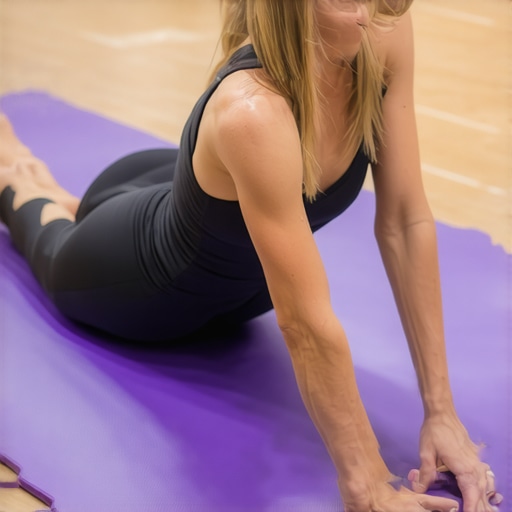
Many advanced movers assume that if a little movement is good, a lot of movement must be better. However, if you have a bulging disc or joint instability, extreme end-range positions can actually de-stabilize the spinal segment further. Dr. Stuart McGill, a world-renowned expert in spine biomechanics, emphasizes that for most back-pain sufferers, creating ‘stiffness’ or ‘proximal stability’ is the priority, not flexibility. According to McGill’s research, a ‘stiff’ spine is a protected spine because it prevents the micro-movements that keep a disc inflamed. When you over-stretch, you are essentially picking the scab of your injury. This is the ultimate ‘oops’ factor: treating a stability problem with a mobility solution. The same principle applies to the upper body, where the hidden link between neck pain and spinal health is often ignored. People try to aggressively stretch their upper traps to find relief, yet the tension often stems from the brain trying to stabilize a weak neck. If you are experiencing referred pain, learning how to tell if your headache is actually coming from your neck is vital before you start cranking on your cervical spine. Instead of chasing a deep stretch, focus on the nerve flossing technique for stubborn leg pain which glides the nerve rather than stretching it. Remember, what your chiropractor wishes you knew about heavy lifting and recovery is that stability always precedes mobility. Have you ever fallen into this trap of stretching your way into more pain? Let me know in the comments.
The Gear That Saved My Sanity
I am a firm believer that you do not need a home gym worth thousands to maintain a healthy back, but you do need a few precision instruments. For me, it started with a simple lacrosse ball. I use it specifically for my glutes because if those tissues are glued together, your lower back takes the hit. It is about knowing how to use a massage ball to release hip flexor tension without bruising the delicate underlying tissue. I also swear by a high-quality lumbar roll for my office chair. Most ergonomic chairs are just marketing fluff, but a physical roll forces that natural curve into your lumbar spine. If you are struggling at your workstation, look into the simple change to your desk chair for better focus. It is not just about the back either; I keep a small monitor riser in my bag. I have learned the hard way that how your vision impacts your neck position while gaming or working can lead to a week of headaches if you are not careful.
How do I keep my spine healthy for the next twenty years?
The secret is not a ninety-minute yoga session once a week; it is what I call spinal hygiene. Think of it like brushing your teeth—you do it every day to prevent decay. I start every single morning with the morning spinal hygiene routine every desk worker needs. This is not about getting a workout; it is about lubricated joints. Dr. Kelly Starrett, a physical therapist and author of Becoming a Supple Leopard, emphasizes that humans need to maintain organized positions throughout the day rather than just exercising for an hour and then sitting like a cashew for the other twenty-three. This means constant micro-adjustments. Using the 20-20-20 rule for desk workers and neck health keeps your system from locking up in those static, damaging positions.
Maintaining this long-term also involves auditing your environment. I finally had to admit that my ten-year-old bed was a sinking ship for my lumbar spine. Knowing how to tell if you need a new mattress for spine support changed my sleep quality overnight. This is where mobility mastery expert tips for back pain prevention and recovery come into play—it is a holistic approach that connects your sleep, your workspace, and your movement patterns.
Wearable Tech is the Future of Pain Management
Looking forward, I predict we are going to see a massive shift toward biofeedback wearables specifically for spinal alignment. We already have watches that track heart rate, but soon, we will have sensors that vibrate the moment your lower back loses its brace during a lift or when your neck reaches a certain degree of forward tilt. This real-time correction will make back pain recovery how chiropractic care transforms lives even more effective because the patient becomes hyper-aware of their own mechanics. If you want to take things to the next level today, try this: set a timer on your phone for every thirty minutes. When it goes off, perform three scapular squeezes that relieve mid-back tension. It takes five seconds, but the cumulative effect on your nervous system is massive.
The Hard Truths I Learned While Rebuilding My Spine
Recovery isn’t a straight line; it is a series of small, intentional choices. One of the biggest shifts in my mindset was realizing why your back feels better when you keep moving, provided that movement is stable and neutral. I also had to face the reality that masking the symptoms was slowing me down. Understanding why taking ibuprofen for every back ache is not a solution was my turning point; it forced me to actually fix the mechanics rather than just silencing the alarm. Lastly, remember that your ego is your biggest liability. Dropping the weight to master a 360-degree brace is harder than adding a plate to the bar, but it is the only way to win long-term.
The Toolkit That Keeps Me Out of the Doctor’s Office
I rely on a few specific resources to maintain the progress I’ve made. First, Dr. Stuart McGill’s Back Mechanic is essentially the manual for anyone dealing with disc issues. Beyond books, I’ve integrated specific tech into my life, such as learning how to use a massage gun on your lower back safely to manage muscle guarding without aggravating the nerves. I also pay close attention to my digital habits, specifically how to prop your tablet without straining your wrists or neck, which prevents that secondary tension from creeping down my spine during a long workday.
Your Recovery Starts with the Next Breath
You aren’t broken; you are simply out of alignment with how your body was designed to move. This journey through back pain recovery is about reclaiming the small wins—like a pain-free morning or a walk around the block—until they turn into a life without limitations. You have already taken the hardest step by deciding to move differently and prioritize stability over mindless stretching. If you feel like you need a more personalized roadmap to get back to 100%, feel free to reach out to us through our contact us page. Have you ever felt that “lightning bolt” moment during a workout, or are you just starting to realize your sit-ups might be the culprit? Let me know in the comments below!