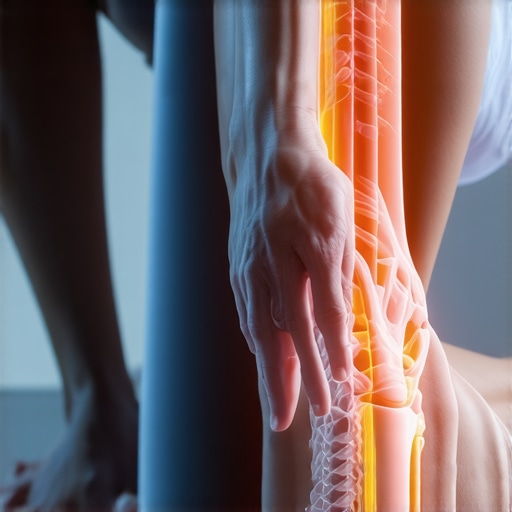
Why Taking Ibuprofen for Every Back Ache Is Not a Solution
I remember standing in my kitchen three years ago, reaching for a coffee mug, when my lower back just… quit. It wasn’t a “pop” so much as a silent, agonizing surrender. My first instinct? Scarf down four ibuprofen and hope for the best. I lived like that for months, treating my body like a car with a “Check Engine” light I’d taped over. But here’s the thing: masking the noise doesn’t fix the engine. I was convinced that if I could just numb the sensation, I’d be fine to keep going. I was wrong. By the time I actually sought help, I realized that why my morning coffee routine was hurting my lower back was just the tip of the iceberg. I had ignored the structural warnings my body was screaming at me.
The Real Reason Your Medicine Cabinet Isn’t a Cure
We’ve all been there. You wake up stiff, or maybe your lower back aches after standing for 10 minutes, and you reach for the little round pills. It’s easy. It’s fast. But ibuprofen is a chemical band-aid. It blocks the inflammatory pathways, sure, but it does absolutely nothing to address why those pathways were triggered in the first place. My biggest mistake early on was thinking that “pain-free” meant “healthy.” It didn’t. I was actually making things worse by pushing through movements I should have been correcting. When I finally started understanding back pain as a signal rather than an enemy, my whole approach changed.
Is relying on pills actually masking a deeper structural issue?
Think about it: if you have a pebble in your shoe, you don’t take a painkiller so you can keep walking on it; you take the shoe off and get rid of the pebble. Chronic reliance on NSAIDs (Non-Steroidal Anti-Inflammatory Drugs) can even be dangerous. According to the Harvard Health Blog, the FDA has even strengthened warnings that non-aspirin NSAIDs can increase the risk of heart attack and stroke. That’s a heavy price to pay for a temporary fix. Have you ever felt like you were just chasing the pain with a bottle of Advil instead of actually getting better? It’s an exhausting cycle that rarely leads to a permanent solution. Today, I want to show you how to break that cycle. We are going to dive into why your body is actually protesting and how back pain recovery is about much more than just suppressing a symptom.
Stop Chasing Symptoms and Start Mapping the Source
When I first started focusing on recovery, I thought the answer was just ‘more stretching.’ I spent twenty minutes every morning touching my toes, gritting my teeth through the tension. But here’s the reality: why stretching your hamstrings wont fix your lower back pain became painfully clear when my back actually felt tighter afterward. I was pulling on a nerve, not a muscle. You need to identify if your pain is coming from a joint that’s stuck or a muscle that’s overcompensating. Think of your body like a car with a misaligned front end; you can put on new tires or take new pills, but they’re just going to wear down unevenly until you fix the alignment.
Test Your Foundation Before You Train
An easy way to check your alignment is to watch your hips in the mirror. If one side sits higher or your belt line is slanted, you aren’t dealing with a simple ‘tight’ back; you’re dealing with an unbalanced chassis. This structural imbalance forces your muscles to stay in a state of constant ‘guarding.’ When I stopped trying to force my muscles to relax and started focusing on how to restore your back mobility through proper positioning, the constant ‘guarded’ feeling finally began to fade.
Fix the Pelvic Tilt to Save Your Lumbar
Think of your pelvis like a bucket of water. If the bucket tilts forward, the water spills out the front, and your lower back arches into a painful crunch. This is why the pelvic tilt trick for instant lumbar relief was a game-changer for me. I remember one specific Tuesday—I had been sitting for six hours straight working on a project. My back was screaming. Instead of reaching for the Advil, I stood up and practiced tucking my ‘tail’ between my legs. The relief wasn’t magic, but it was immediate. It shifted the weight from my spinal discs back to my core muscles where it belongs.
Stop Making This Common Bird Dog Mistake
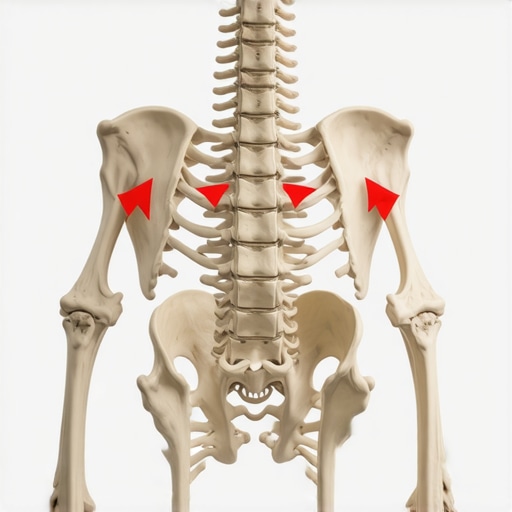
We often hear that ‘core strength’ is the cure-all. But if you do the exercises wrong, you’re just adding fuel to the fire. I used to do the bird-dog exercise religiously, thinking I was a fitness pro. Then a chiropractor pointed out that I was arching my back every time I lifted my leg, essentially pinching my own spine. The bird dog mistake that puts stress on your spine is a classic example of doing the right thing the wrong way. Now, I keep a tennis ball on my lower back while doing it; if the ball rolls off, my form is broken. It’s about precision, not power.
Small Habits That Protect Your Progress
True back pain recovery is about the 23.5 hours you spend outside the gym. For me, that meant finally admitting that my desk setup was a disaster. I started focusing on small wins, like the brueggers relief move to reverse hours of hunched sitting. It takes ten seconds, but doing it every hour changed the way my neck and mid-back felt by the time 5:00 PM rolled around. It’s these tiny, consistent resets that stop the tension from snowballing into a full-blown crisis by the weekend.
Let’s dig deeper into the mechanics of why some people heal while others stay stuck in a cycle of stiffness. Most people assume that if their back hurts, they just need to ‘get stronger.’ But in my experience, I’ve seen elite athletes with visible six-packs who couldn’t stand for ten minutes without agonizing pain. The truth is, why your core strength isnt stopping your back from hurting usually comes down to neuromuscular coordination rather than raw power. You might be able to plank for three minutes in a gym, but if your deep stabilizers aren’t firing automatically while you’re picking up a grocery bag, that strength is essentially useless.
Your Abs Aren’t Your Armor
We often focus exclusively on the big muscles we see in the mirror and completely ignore the floor of our internal canister. I’ve learned that why your pelvic floor matters for spinal stability is the missing link for many chronic sufferers. If the pelvic floor is locked in a state of high tension or is too weak to respond to pressure, it changes the way your entire spine handles load. This often leads to a physical compensation where why your ribs flare when you reach overhead, putting massive, unnecessary shear force on your mid-back joints. 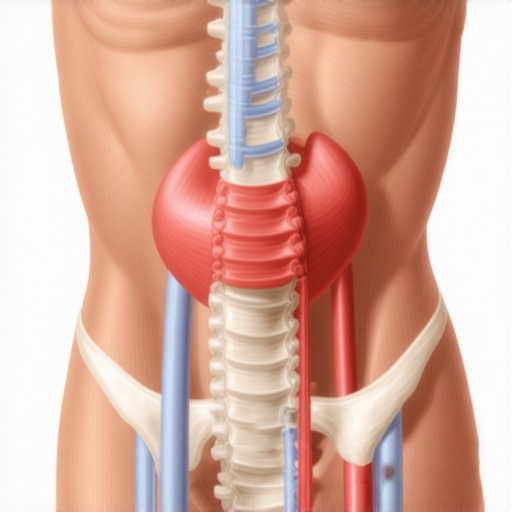
Does your breathing style impact your lower back?
It sounds far-fetched until you look at the clinical data. A study published in the Journal of Orthopaedic & Sports Physical Therapy (JOSPT) highlighted that patients with chronic low back pain often have significantly altered diaphragm excursion. If you are a ‘chest breather,’ you are constantly using your neck and upper back muscles to do a job meant for your diaphragm. Mastering how to breathe properly to reduce tension in your shoulders isn’t just a relaxation technique; it’s a structural requirement for stabilizing the spine from the inside out. Without this internal pressure management, your back is essentially a building with a shaky foundation.
Stop Trying to Sit Perfectly Straight
Here is the biggest ‘oops’ factor I see in the clinic: the rigidity trap. When people get hurt, they often start moving like a LEGO person—stiff, robotic, and one-dimensional. They think they are protecting their spine by keeping it perfectly still. However, why your back feels better when you keep moving is because rhythmic motion is what hydrates your spinal discs and keeps the nerves sliding freely. Being too rigid actually starves the joints of the nutrients they need to heal. I once spent months trying to maintain ‘perfect posture’ only to find my mid-back burning more than ever because I was over-working my muscles by not allowing them to relax into their natural curves. This is often why your shoulder blades feel like theyre burning after typing; you are essentially holding an isometric contraction for eight hours a day.
The Source Is Rarely Where You Feel the Pain
True expertise in spinal health means looking at the body as a single, connected unit. Sometimes the source of your misery is even further away than you think. For instance, have you ever wondered why your thumb pain is actually coming from your neck? Or why your ankle mobility is secretly destroying your lower back during a simple walk? Have you ever fallen into this trap of being ‘too careful’ with your posture or focusing only on where it hurts? Let me know in the comments. If you’re ready to stop the guesswork and identify the real source of your discomfort, reach out to us to begin a targeted recovery plan.
After you’ve identified the source of your pain, the real challenge begins: staying pain-free while living a normal life. I don’t believe in “fixing” a back once and never thinking about it again. It’s like brushing your teeth—you need a daily rhythm. I personally rely on a small “spinal hygiene” kit. One tool I never travel without is a high-density massage ball. Knowing how to use a massage ball to release hip flexor tension has saved me from dozens of potential flare-ups after long flights. When your hips are loose, your lower back doesn’t have to pick up the slack to provide movement.
How can I keep my spine healthy for the long haul?
The secret to longevity isn’t more intensity; it’s consistency. I follow what I call a “non-negotiable” routine. Every single morning, before I check my email, I go through a series of movements designed to wake up the stabilizers. This is why I advocate for the morning spinal hygiene routine every desk worker needs. It takes five minutes, but it sets the neuromuscular tone for the day. Dr. Stuart McGill, a world-renowned expert in spine biomechanics, emphasizes that “building endurance in the stabilizing muscles is more important than building raw strength.” This is why mastering the dead bug variation that actually fixes lower back instability is a cornerstone of my own maintenance program. It’s about teaching your brain to keep your spine neutral while your limbs move.
Your Shoes Might Be Sabotaging Your Progress
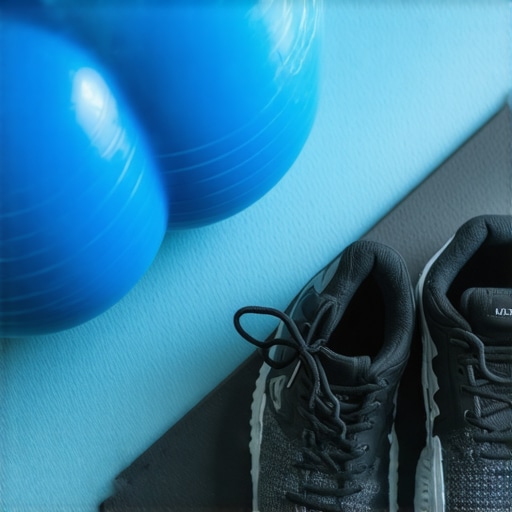
If you are still experiencing nagging aches despite doing everything right, look down. Your feet are the foundation of your entire kinetic chain. I spent months chasing a “tight” lower back before realizing my favorite pair of running shoes had collapsed arches. Learning how to tell if your sneakers are ruining your spinal alignment was a lightbulb moment. If your foundation is tilted, your spine will always be fighting an uphill battle. This kind of mobility mastery requires looking at the whole picture, from your toes to your neck.
Where Spinal Health is Heading in the Next Decade
I predict we are moving toward a world of “smart” spinal care. We are already seeing the rise of wearable sensors that vibrate when your posture slumps or when your lifting mechanics are off. In the future, your phone will likely provide real-time back pain recovery feedback based on your movement patterns. This data-driven approach will make it much harder to accidentally injure yourself. Until then, we have to be our own advocates. I challenge you to try this: tomorrow morning, perform three sets of slow, controlled “Dead Bugs” before you sit down for work. Focus entirely on keeping your lower back pressed into the floor. If you’re serious about scaling your results and maintaining this new-found freedom, explore our expert tips for back pain prevention and recovery to stay ahead of the curve.
I remember standing in my kitchen three years ago, reaching for a coffee mug, when my lower back just… quit. It wasn’t a “pop” so much as a silent, agonizing surrender. My first instinct? Scarf down four ibuprofen and hope for the best. I lived like that for months, treating my body like a car with a “Check Engine” light I’d taped over. But here’s the thing: masking the noise doesn’t fix the engine. I was convinced that if I could just numb the sensation, I’d be fine to keep going. I was wrong. By the time I actually sought help, I realized that why my morning coffee routine was hurting my lower back was just the tip of the iceberg. I had ignored the structural warnings my body was screaming at me.
The Real Reason Your Medicine Cabinet Isn’t a Cure
We’ve all been there. You wake up stiff, or maybe your lower back aches after standing for 10 minutes, and you reach for the little round pills. It’s easy. It’s fast. But ibuprofen is a chemical band-aid. It blocks the inflammatory pathways, sure, but it does absolutely nothing to address why those pathways were triggered in the first place. My biggest mistake early on was thinking that “pain-free” meant “healthy.” It didn’t. I was actually making things worse by pushing through movements I should have been correcting. When I finally started understanding back pain as a signal rather than an enemy, my whole approach changed.
Is relying on pills actually masking a deeper structural issue?
Think about it: if you have a pebble in your shoe, you don’t take a painkiller so you can keep walking on it; you take the shoe off and get rid of the pebble. Chronic reliance on NSAIDs (Non-Steroidal Anti-Inflammatory Drugs) can even be dangerous. According to the Harvard Health Blog, the FDA has even strengthened warnings that non-aspirin NSAIDs can increase the risk of heart attack and stroke. That’s a heavy price to pay for a temporary fix. Have you ever felt like you were just chasing the pain with a bottle of Advil instead of actually getting better? It’s an exhausting cycle that rarely leads to a permanent solution. Today, I want to show you how to break that cycle. We are going to dive into why your body is actually protesting and how back pain recovery is about much more than just suppressing a symptom.
Stop Chasing Symptoms and Start Mapping the Source
When I first started focusing on recovery, I thought the answer was just ‘more stretching.’ I spent twenty minutes every morning touching my toes, gritting my teeth through the tension. But here’s the reality: why stretching your hamstrings wont fix your lower back pain became painfully clear when my back actually felt tighter afterward. I was pulling on a nerve, not a muscle. You need to identify if your pain is coming from a joint that’s stuck or a muscle that’s overcompensating. Think of your body like a car with a misaligned front end; you can put on new tires or take new pills, but they’re just going to wear down unevenly until you fix the alignment.
Test Your Foundation Before You Train
An easy way to check your alignment is to watch your hips in the mirror. If one side sits higher or your belt line is slanted, you aren’t dealing with a simple ‘tight’ back; you’re dealing with an unbalanced chassis. This structural imbalance forces your muscles to stay in a state of constant ‘guarding.’ When I stopped trying to force my muscles to relax and started focusing on how to restore your back mobility through proper positioning, the constant ‘guarded’ feeling finally began to fade.
Fix the Pelvic Tilt to Save Your Lumbar
Think of your pelvis like a bucket of water. If the bucket tilts forward, the water spills out the front, and your lower back arches into a painful crunch. This is why the pelvic tilt trick for instant lumbar relief was a game-changer for me. I remember one specific Tuesday—I had been sitting for six hours straight working on a project. My back was screaming. Instead of reaching for the Advil, I stood up and practiced tucking my ‘tail’ between my legs. The relief wasn’t magic, but it was immediate. It shifted the weight from my spinal discs back to my core muscles where it belongs.
Stop Making This Common Bird Dog Mistake
We often hear that ‘core strength’ is the cure-all. But if you do the exercises wrong, you’re just adding fuel to the fire. I used to do the bird-dog exercise religiously, thinking I was a fitness pro. Then a chiropractor pointed out that I was arching my back every time I lifted my leg, essentially pinching my own spine. The bird dog mistake that puts stress on your spine is a classic example of doing the right thing the wrong way. Now, I keep a tennis ball on my lower back while doing it; if the ball rolls off, my form is broken. It’s about precision, not power.
Small Habits That Protect Your Progress
True back pain recovery is about the 23.5 hours you spend outside the gym. For me, that meant finally admitting that my desk setup was a disaster. I started focusing on small wins, like the brueggers relief move to reverse hours of hunched sitting. It takes ten seconds, but doing it every hour changed the way my neck and mid-back felt by the time 5:00 PM rolled around. It’s these tiny, consistent resets that stop the tension from snowballing into a full-blown crisis by the weekend.
Let’s dig deeper into the mechanics of why some people heal while others stay stuck in a cycle of stiffness. Most people assume that if their back hurts, they just need to ‘get stronger.’ But in my experience, I’ve seen elite athletes with visible six-packs who couldn’t stand for ten minutes without agonizing pain. The truth is, why your core strength isnt stopping your back from hurting usually comes down to neuromuscular coordination rather than raw power. You might be able to plank for three minutes in a gym, but if your deep stabilizers aren’t firing automatically while you’re picking up a grocery bag, that strength is essentially useless.
Your Abs Aren’t Your Armor
We often focus exclusively on the big muscles we see in the mirror and completely ignore the floor of our internal canister. I’ve learned that why your pelvic floor matters for spinal stability is the missing link for many chronic sufferers. If the pelvic floor is locked in a state of high tension or is too weak to respond to pressure, it changes the way your entire spine handles load. This often leads to a physical compensation where why your ribs flare when you reach overhead, putting massive, unnecessary shear force on your mid-back joints.
Does your breathing style impact your lower back?
It sounds far-fetched until you look at the clinical data. A study published in the Journal of Orthopaedic & Sports Physical Therapy (JOSPT) highlighted that patients with chronic low back pain often have significantly altered diaphragm excursion. If you are a ‘chest breather,’ you are constantly using your neck and upper back muscles to do a job meant for your diaphragm. Mastering how to breathe properly to reduce tension in your shoulders isn’t just a relaxation technique; it’s a structural requirement for stabilizing the spine from the inside out. Without this internal pressure management, your back is essentially a building with a shaky foundation.
Stop Trying to Sit Perfectly Straight
Here is the biggest ‘oops’ factor I see in the clinic: the rigidity trap. When people get hurt, they often start moving like a LEGO person—stiff, robotic, and one-dimensional. They think they are protecting their spine by keeping it perfectly still. However, why your back feels better when you keep moving is because rhythmic motion is what hydrates your spinal discs and keeps the nerves sliding freely. Being too rigid actually starves the joints of the nutrients they need to heal. I once spent months trying to maintain ‘perfect posture’ only to find my mid-back burning more than ever because I was over-working my muscles by not allowing them to relax into their natural curves. This is often why your shoulder blades feel like theyre burning after typing; you are essentially holding an isometric contraction for eight hours a day.
The Source Is Rarely Where You Feel the Pain
True expertise in spinal health means looking at the body as a single, connected unit. Sometimes the source of your misery is even further away than you think. For instance, have you ever wondered why your thumb pain is actually coming from your neck? Or why your ankle mobility is secretly destroying your lower back during a simple walk? Have you ever fallen into this trap of being ‘too careful’ with your posture or focusing only on where it hurts? Let me know in the comments. If you’re ready to stop the guesswork and identify the real source of your discomfort, reach out to us to begin a targeted recovery plan.
After you’ve identified the source of your pain, the real challenge begins: staying pain-free while living a normal life. I don’t believe in “fixing” a back once and never thinking about it again. It’s like brushing your teeth—you need a daily rhythm. I personally rely on a small “spinal hygiene” kit. One tool I never travel without is a high-density massage ball. Knowing how to use a massage ball to release hip flexor tension has saved me from dozens of potential flare-ups after long flights. When your hips are loose, your lower back doesn’t have to pick up the slack to provide movement.
How can I keep my spine healthy for the long haul?
The secret to longevity isn’t more intensity; it’s consistency. I follow what I call a “non-negotiable” routine. Every single morning, before I check my email, I go through a series of movements designed to wake up the stabilizers. This is why I advocate for the morning spinal hygiene routine every desk worker needs. It takes five minutes, but it sets the neuromuscular tone for the day. Dr. Stuart McGill, a world-renowned expert in spine biomechanics, emphasizes that “building endurance in the stabilizing muscles is more important than building raw strength.” This is why mastering the dead bug variation that actually fixes lower back instability is a cornerstone of my own maintenance program. It’s about teaching your brain to keep your spine neutral while your limbs move.
Your Shoes Might Be Sabotaging Your Progress
If you are still experiencing nagging aches despite doing everything right, look down. Your feet are the foundation of your entire kinetic chain. I spent months chasing a “tight” lower back before realizing my favorite pair of running shoes had collapsed arches. Learning how to tell if your sneakers are ruining your spinal alignment was a lightbulb moment. If your foundation is tilted, your spine will always be fighting an uphill battle. This kind of mobility mastery requires looking at the whole picture, from your toes to your neck.
Where Spinal Health is Heading in the Next Decade
I predict we are moving toward a world of “smart” spinal care. We are already seeing the rise of wearable sensors that vibrate when your posture slumps or when your lifting mechanics are off. In the future, your phone will likely provide real-time back pain recovery feedback based on your movement patterns. This data-driven approach will make it much harder to accidentally injure yourself. Until then, we have to be our own advocates. I challenge you to try this: tomorrow morning, perform three sets of slow, controlled “Dead Bugs” before you sit down for work. Focus entirely on keeping your lower back pressed into the floor. If you’re serious about scaling your results and maintaining this new-found freedom, explore our expert tips for back pain prevention and recovery to stay ahead of the curve.
The Three Breakthroughs That Finally Freed My Spine
Looking back, the biggest shift happened when I stopped viewing pain as a sign of permanent damage and started seeing it as a “check-in” request from my nervous system. Learning how to tell if your back pain is serious helped me lower my anxiety and move with more confidence rather than fear. Another lightbulb moment was realizing that my back was often hurting because my hips were dormant; understanding why your glutes wont fire and how to fix it changed the way I walked almost overnight. Finally, I learned that recovery isn’t a straight line, and having a bad day doesn’t mean you’ve lost all your progress.
Gear and Guides That Actually Make a Difference
You don’t need a gym full of equipment, but you do need the right knowledge. I always recommend “Back Mechanic” by Dr. Stuart McGill as the gold standard for understanding spinal mechanics. In my own toolkit, I rely on a high-density massage ball for glute release and a firm lumbar roll for long drives. If you are feeling overwhelmed by the sheer amount of conflicting advice online, following revitalize your mobility proven strategies for back pain relief will give you a structured roadmap to follow without the guesswork.
Live Your Life Without the Constant Ache
Chronic stiffness has a way of shrinking your world, but it doesn’t have to be your permanent reality. You are a biological system capable of immense adaptation and repair when given the right environment and movement patterns. By shifting your focus from masking symptoms to improving structural function, you can get back to the activities you love. Your journey toward long-term health starts with the simple decision to stop settling for temporary fixes and start building a foundation that lasts. Mastering back neck pain relief tips from the pros is about those small, daily wins that add up to a lifetime of freedom. Have you ever noticed that a simple change in your routine, like how you sit or breathe, made a surprising difference in your comfort? Let me know in the comments below!