The Nerve Gliding Exercise to Calm Down Sciatica
I remember lying on my cold kitchen tiles, paralyzed by a sensation that felt like a bolt of electricity was stapled to my hip. Every time I tried to stand, my leg buckled. I was desperate. I tried everything—I even looked into the truth about inversion tables for sciatica just to see if hanging upside down would make the lightning stop. But the harder I fought the pain, the meaner it got. I made the classic rookie mistake: I treated my nerve like a stubborn muscle. I pulled, I yanked, and I leaned into deep stretches, completely unaware that I was actually making the inflammation worse. Have you ever felt that terrifying ‘pop’ in your lower back, only to spend the next three weeks walking like a human question mark?
Stop Yanking on Your Nerves Like a Tug-of-War Rope
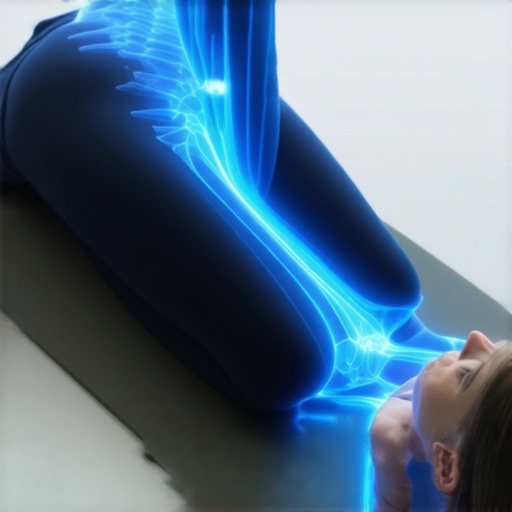
If you are currently trying to ‘stretch out’ your leg pain, please, stop for a second. I spent months doing heavy yoga and aggressive lunges because I thought my hamstrings were the problem. It turns out, why stretching your hamstrings won’t fix your lower back pain is often because the sciatic nerve isn’t ‘tight’—it’s trapped. Nerves are delicate. They don’t have the elasticity of a rubber band; they are more like a silk thread inside a straw. When that thread gets snagged, pulling it tighter only creates more friction. This is where I found my lightbulb moment: Nerve Gliding. It’s not a stretch; it’s a flossing motion. It’s about creating space and movement without tension. I started practicing a specific nerve flossing technique for stubborn leg pain, and for the first time in a year, the fire in my calf started to dim. Even though how your sleep position affects your sciatica symptoms is a huge piece of the puzzle, nothing moved the needle like learning to ‘glide’ the nerve through its pathway.
Does This Simple Movement Really Work Better Than Surgery?
I know what you’re thinking because I thought it too: ‘If it’s this simple, why did my doctor mention injections?’ The skepticism is healthy. However, research published in the Journal of Orthopaedic & Sports Physical Therapy reveals a surprising fact: nerve gliding can actually reduce ‘intraneural edema’—which is basically just a fancy way of saying your nerve is swollen inside its own protective tube. By gently sliding the nerve back and forth, you’re helping the body pump that swelling out. I’ll be honest: early on, I pushed too hard and caused a flare-up. That was my biggest mistake. But once I learned the ‘less is more’ approach, my mobility returned in ways I hadn’t seen since my twenties. Today, I’m going to show you exactly how to do this without pissing off your nervous system.
Stop Stretching and Start Flossing Your Nerves
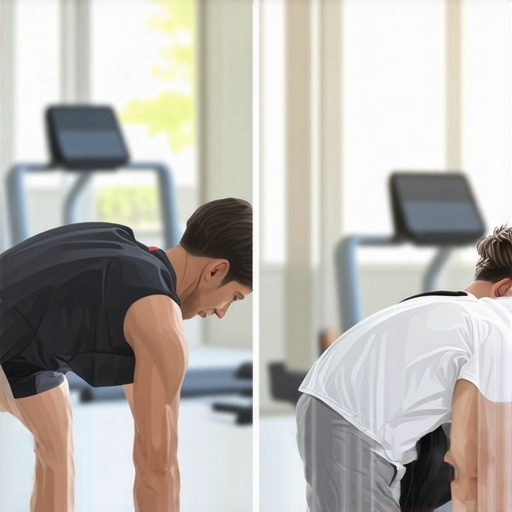
Think of your sciatic nerve like a long, sensitive piece of dental floss running through a very tight, narrow channel between your muscles and vertebrae. When things are inflamed, that ‘floss’ gets stuck. If you pull both ends—meaning you bend forward and straighten your leg at the same time—you’re just creating friction and making the nerve scream. Instead, we want to slide the nerve through that channel without adding tension. This is why I focus so much on revitalize your mobility proven strategies for back pain relief that prioritize gentle movement over aggressive pulling. I used to think the ‘burn’ of a deep hamstring stretch was my friend; it was actually my biggest enemy. In the world of nerves, that burn is a warning shot that you’re overworking a system that is already on high alert.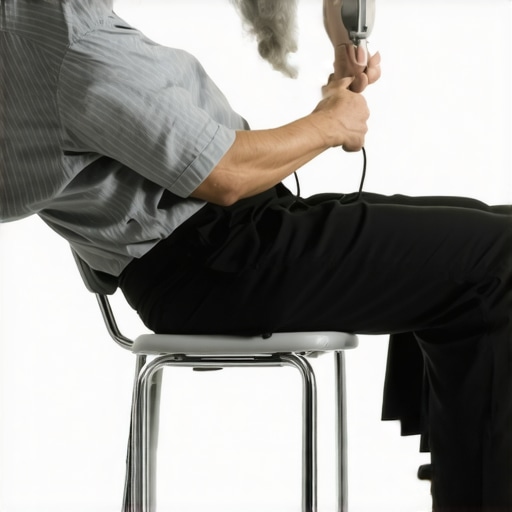
The Seated Glide You Can Do at Your Desk
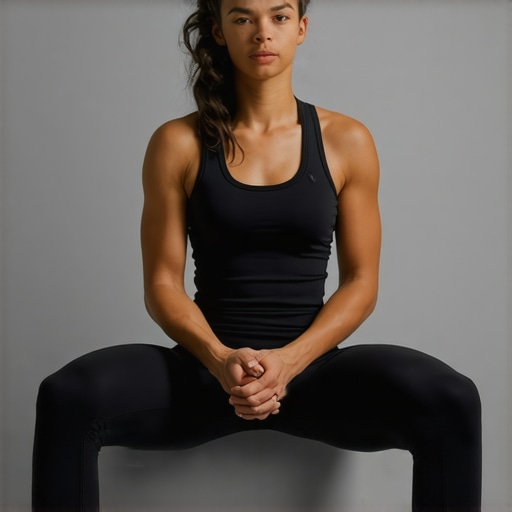
The beauty of nerve flossing is that it doesn’t require a gym or a yoga mat. You can perform it anywhere, which is crucial because consistency beats intensity every time. Start by sitting on the edge of a firm chair with your feet flat. I’ve learned the hard way that knowing how to sit at your desk with zero back fatigue is half the battle when trying to recover. To perform the glide, slowly straighten your painful leg while simultaneously looking up at the ceiling. Then, as you bend your knee back toward the chair, tuck your chin to your chest. You are essentially ‘feeding’ the nerve from one end while ‘slackening’ it at the other. I remember the first time I got this rhythm right. I was in a mid-day slump at my computer, and my calf was throbbing with that familiar electricity. Instead of my usual panic-stretch, I did ten slow, rhythmic repetitions. The zing didn’t vanish instantly, but that suffocating tightness faded into a dull, manageable hum. It was living proof that why your back feels better when you keep moving is based on actual biological mechanics.
Stability is the Secret Sauce for Nerve Health
If the nerve is the thread, your spine is the needle. If the needle is shaking or out of alignment, the thread gets caught. This is where most people fail—they have the mobility but zero control over their core. I found that my nerve pain flared up whenever my lower back was ‘unstable’ or lacked support. This is why I eventually transitioned from simple glides to the dead bug variation that actually protects your back. It taught my brain how to keep my spine perfectly still while my limbs moved independently. You might be frustrated that your traditional core routine doesn’t seem to help, but why your core strength isnt stopping your back from hurting usually comes down to using the wrong muscles for the job. You don’t need a six-pack for sciatica relief; you need a functional internal brace. When I combined the gentle nerve glides with small, controlled stability movements, the ‘electric bolts’ finally stopped returning every morning.
Stop Obsessing Over a Perfect Static Posture
Most of us were raised with the idea that ‘good posture’ means sitting like a soldier—chest out, shoulders pinned back, spine straight as a board. In my experience, this is the quickest way to stay in chronic pain. You are essentially asking your muscles to hold a static contraction for eight hours a day, which chokes off blood flow and creates massive fatigue. I spent years trying to maintain a ‘perfect’ upright position until I realized that understanding back pain a guide to better posture and mobility actually means embracing movement. Your ‘best’ posture is always your next posture. The human spine is designed to move, not to act as a decorative column. When you stay stuck in one position, even a ‘good’ one, you are creating localized pressure on specific discs. This is why I always tell my clients that mobility mastery expert tips for back pain prevention and recovery start with micro-movements—fidgeting is actually a survival mechanism for your spinal health.
The Flexibility Trap That Destroys Your Progress
There is a dangerous myth in the wellness world that more flexibility is always better. I fell into this ‘Oops’ factor hard. I thought if I could just touch my toes with my palms, my back would stop hurting. But for many of us, the problem isn’t that we are too stiff; it’s that we are too ‘bendy’ in the wrong places. Dr. Stuart McGill, a world-renowned spine biomechanics expert, has shown that increasing spinal range of motion can actually lead to more injury if you don’t have the stability to control it. You might be stretching your lower back when you actually need to build ‘stiffness’ in your core to protect the discs. I’ve found that focusing on the dead bug variation that actually fixes lower back instability is far more effective than any yoga pose. If you are constantly stretching a ‘tight’ muscle and it never stays loose, it’s because your brain is keeping that muscle tight to protect an unstable joint nearby. Sometimes, why your pelvic floor might be the secret to solving back pain is simply because that area provides the internal brace your spine is missing. 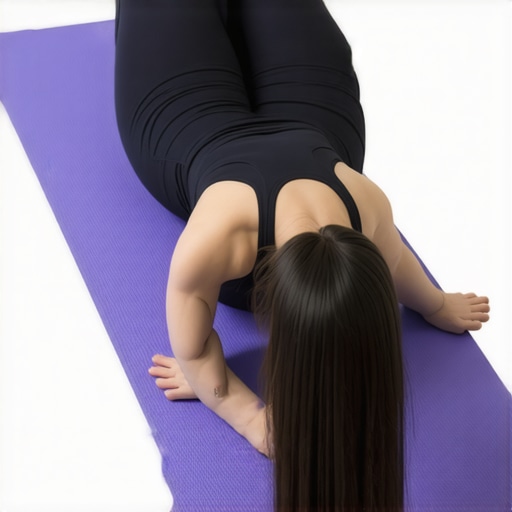
Why Does My Pain Return Even After a Great Adjustment?
This is the advanced question I get all the time. You go to a chiropractor, you feel amazing for two days, and then the ‘zing’ returns. It’s frustrating, right? This happens because your nervous system has a ‘memory’ of the pain. Even when the joint is moving better, your brain might still be sending signals to the surrounding muscles to guard the area. This is why back pain recovery how chiropractic care transforms lives isn’t just about the ‘crack’; it’s about the neurological retraining that happens afterward. You have to prove to your brain that the new movement is safe. If you get adjusted and then immediately go back to the same stressful habits, your body will revert to its defensive posture. Have you ever fallen into the trap of stretching a ‘tight’ muscle only to have it feel worse an hour later? Let me know in the comments, and let’s figure out if you’re actually dealing with nerve tension instead.Once you stop the ‘electric bolts,’ you enter the most dangerous phase of recovery: the boredom of maintenance. It is so easy to stop doing the work once the pain drops from a screaming eight to a quiet two. I’ve been there, thinking I was ‘cured’ only to have a simple sneeze put me back on the floor. To stay mobile, you need a toolkit that goes beyond just ‘hoping it doesn’t hurt tomorrow.’ I swear by a few specific items, but you have to use them with precision. For instance, I use a massage gun daily, but I never go directly over the spine or a known disc bulge. Learning how to use a massage gun on your lower back safely is the difference between tissue recovery and making your inflammation flare back up like a wildfire.
The Gear That Actually Saved My Spine
For the deep, stubborn spots that a gun can’t reach—specifically the psoas and the iliacus—I rely on a simple lacrosse ball. It sounds primitive, but knowing how to use a massage ball to release hip flexor tension has saved me from countless hours of ‘stuck’ hip feelings. When your hips move, your back doesn’t have to compensate. I also threw away my ice packs for chronic stiffness. I found that why heat packs are better than ice for chronic muscle tension is because they actually encourage blood flow and local metabolism rather than just numbing the area and slowing down the healing response. 
How do I maintain my mobility results over time?
The secret isn’t a 90-minute gym session; it’s ‘spinal hygiene’—short, frequent bursts of movement. The Journal of Bodywork and Movement Therapies highlights that fascial tissue requires consistent, varied loading to prevent it from becoming ‘glued’ together. This is why I integrate mobility mastery expert tips for back pain prevention and recovery into my morning coffee routine. I don’t wait for pain to appear; I assume it’s lurking and I move to keep it at bay. I also swear by the brueggers relief move to reverse hours of hunched sitting every time I finish a Zoom call. It resets the neurological ‘guarding’ that happens when we stare at screens.
The Shift Toward Neurological Spinal Care
I predict that the future of back health is moving away from just ‘cracking bones’ and toward ‘training the brain.’ We are seeing more focus on how the nervous system controls the muscles. For example, most people don’t realize that why your ankle mobility is secretly destroying your squat form is a neurological chain reaction. If your brain senses instability at your feet, it will lock up your lower back to protect you. By utilizing boost mobility ease pain chiropractic techniques unveiled that focus on the whole chain—from your ankles to your neck—you stop playing whack-a-mole with symptoms and start fixing the system. My challenge for you today: Don’t wait for your next flare-up. Set a timer for every 45 minutes and perform five repetitions of the Bruegger’s move. Your future spine will thank you for the micro-investment.
The Pain Truths They Don’t Print in Brochures
Reflecting on my own recovery, I’ve realized that nerve pain is rarely a ‘strength’ problem; it is almost always a ‘safety’ problem. Your brain is hyper-vigilant, and until it feels that your spine is stable, it will keep those muscles locked in a protective cage. Here are the core truths I wish I had embraced sooner:
- Nerves need blood, space, and movement. If you deprive them of any of these through static sitting or aggressive stretching, they will react.
- The ‘where’ isn’t always the ‘why’. Sometimes the hidden link between digestion and back pain or systemic inflammation is what keeps your nerves on high alert.
- Stability is the precursor to mobility. You cannot have lasting flexibility if your brain is afraid your spine will collapse. This is why I eventually prioritized restore your back mobility proven chiropractic strategies over random YouTube stretches.
- Consistency beats intensity. Five minutes of nerve gliding every day is infinitely more effective than a two-hour gym session once a week.
My Non-Negotiable Recovery Toolkit
I don’t leave my spinal health to chance anymore. I’ve curated a specific set of tools and habits that keep the ‘bolts’ away. First, I stopped guessing about my pain and learned how to tell if your back pain is serious so I could react with logic rather than panic. Second, I changed how I move in the world. I stopped wondering why your tailbone hurts after sitting for 10 minutes and started using a lumbar roll and frequent ‘movement snacks.’ I also became obsessed with the mechanics of daily life, even down to the proper way to wear a backpack to avoid spinal strain during my travels. These aren’t just ‘tips’; they are the infrastructure of a pain-free life.
#IMAGE_PLACEHOLDER_E#
Your Spine Is Ready for a Reset
You don’t have to be a victim of your own anatomy. The journey from being paralyzed on a kitchen floor to walking with confidence isn’t built on a single ‘miracle cure,’ but on a fundamental shift in how you treat your nervous system. By replacing aggressive pulling with gentle gliding and trade-off static posture for dynamic mobility, you are giving your body the environment it needs to heal itself. You have the tools, the techniques, and the understanding to move forward. It’s time to stop fighting your body and start working with it. What was the one movement or stretch you were told to do that actually made your sciatic pain feel worse? Let me know in the comments below, and let’s figure out a better path forward together.