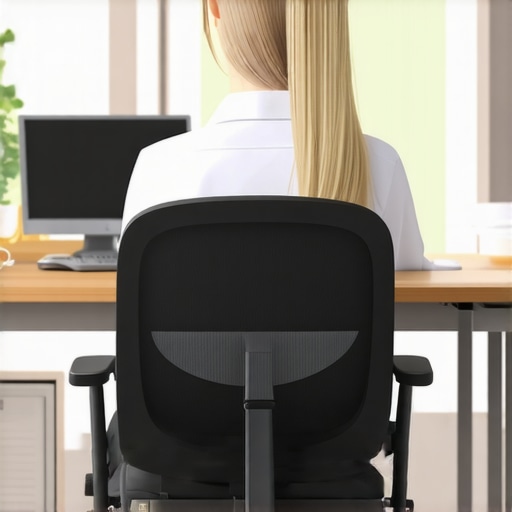
How to Drive for Hours Without Upper Back Stiffness
I remember the three-hour mark on I-80 last summer. The sun was setting, my playlist was on point, but my upper back felt like it was being poked by a hot branding iron right between the shoulder blades. I tried the “steering wheel shrug,” I tried leaning into the door, and I even tried shouting at the traffic as if that would magically loosen my traps. Nothing worked. By the time I pulled into the driveway, I was moving like a rusty tin man. I realized then that my “relaxing” driving posture was actually a slow-motion car wreck for my spine. Today, I am going to show you exactly how to set up your cockpit—and your body—so you can arrive at your destination ready to enjoy yourself rather than searching for a heating pad.
Stop the Highway Hunch Before It Starts
For years, I made the classic mistake of thinking a “comfy” seat meant I could just melt into it. I would let my pelvis tuck under and my head drift forward toward the windshield like I was trying to sniff the bumper in front of me. It is a trap. When we sit like that, we are not just resting; we are overstretching the ligaments in the upper back while the chest muscles get tight and angry. This is often why your shoulders hunch even when you think you are in a low-stress environment. Research published in the International Journal of Environmental Research and Public Health highlights that the added vibration from the road actually accelerates muscle fatigue compared to sitting in a static office chair. Your muscles are working overtime just to keep you steady, which is why a passive sitting strategy always fails. Have you ever had to pull over just to stretch because the burning between your shoulders became unbearable?
Does fancy lumbar support actually do anything?
You might be wondering if you really need to spend hundreds on a memory foam wedge or if your car’s built-in dial is just a marketing gimmick. The truth is, even the most expensive seat will not save you if you do not know how to stack your spine. I used to think my car was the problem until I learned how better posture and mobility actually work in a seated environment.
Your Seat Setup is Probably Wrong
Most people treat their car seat like a recliner, but you should treat it like an ergonomic workstation. My biggest blunder early on was using a massive pillow behind my neck that actually pushed my head too far forward. It felt soft, but it was giving me “tech neck” at 70 miles per hour. The first thing I changed was my distance to the pedals. If you are reaching too far, your shoulders will naturally round forward to compensate. To combat that mid-trip fire, I started using this simple shoulder blade squeeze at every red light. It resets the nervous system and tells those tired muscles to let go. If you are on a long stretch of highway, you can even perform a modified version of the Bruegger’s relief move to open up your chest and reverse the hunch.
Adjust Your Mirrors While Sitting Tall
This is a trick I learned from a physical therapist that changed my road trips forever: adjust your rearview mirror only when you are sitting in your most ideal, upright posture. It serves as a physical alarm system. I remember a grueling six-hour trek through the Nebraska plains where I was constantly frustrated that my mirror seemed to be ‘slipping.’ Every twenty minutes, I’d lose my view of the traffic behind me. I realized the mirror wasn’t moving; I was. My spine was collapsing into a slouch, and the mirror was simply reflecting my poor form. By setting it while you are elongated, the moment you can’t see behind you, you’re prompted to sit back up. This constant feedback loop is one of the best ways to relieve neck back discomfort using these expert methods without having to pull over. 
The Hidden Danger of Your Back-Pocket Wallet
If you are sitting on a bulky leather wallet, you are effectively driving with a shim under one side of your pelvis. It might feel like a minor annoyance, but over hundreds of miles, it forces your lower spine to curve and your hip to hike upward. This uneven foundation is a recipe for disaster. I used to wonder why my left hip felt like a rusted hinge while my right side was fine, and it all traced back to that three-inch-thick stack of receipts and cards. Before you even put the car in gear, empty your pockets. Your pelvis needs to be level and flush against the back of the seat to restore your back mobility proven chiropractic strategies. Slide your tailbone as far back as it will go so there is no gap for your spine to ‘melt’ into.
Swap Ten-and-Two for Four-and-Eight
We were all taught the ‘ten and two’ position in driver’s ed, but for long-distance comfort, it is a nightmare for your upper traps. When your hands are high on the wheel, your shoulders naturally shrug toward your ears, and your chest muscles tighten. This is exactly why your shoulder blades feel like theyre burning after typing or driving for long periods. Instead, drop your hands to the bottom of the wheel at the four and eight o’clock positions. This allows your elbows to rest closer to your ribs and lets your shoulder blades settle down your back. It’s a similar logic to how to sit at your desk with zero back fatigue—keep the weight of your arms supported so your neck doesn’t have to do the heavy lifting.
Drive With Your Belly Not Your Chest
Tension is often a breathing problem in disguise. When we get stressed by traffic or fatigued by the road, we switch to shallow chest breathing. This uses the ‘accessory’ muscles in your neck and tops of your shoulders to lift the ribcage. By the end of an hour, those muscles are exhausted. I make it a habit at every toll booth or red light to consciously practice how to breathe properly to reduce tension in your shoulders. Focus on expanding your belly as you inhale, keeping your shoulders completely still. If you feel your chin drifting toward the windshield, perform the chin tuck drill to combat tech neck instantly. Think of it like pulling your ears back over your shoulders, which resets the mechanical load on your cervical spine. This level of mobility mastery expert tips for back pain prevention and recovery turns a standard commute into a session of active recovery.Let’s dig a bit deeper into why your post-drive recovery routine might be failing you. Most people assume that if a muscle feels ‘tight,’ the solution is to stretch it until it gives up. I used to be the person doing aggressive toe-touches at every rest stop, thinking I was doing my spine a favor. But here is the contrarian truth: that tightness is often a protective ‘splinting’ mechanism by your nervous system. If you have a minor instability in your lumbar spine, your brain will lock down the surrounding muscles to prevent further injury. When you force a stretch on those muscles, you are essentially ripping off a biological Band-Aid. This is why stretching your hamstrings wont fix your lower back pain if the root cause is actually coming from your pelvis or discs.
Is your tightness actually a cry for stability?
Advanced spinal health isn’t about being as flexible as a gymnast; it is about knowing where to be stiff and where to be mobile. A landmark study by Dr. Stuart McGill, a leading expert in spine biomechanics, suggests that excessive spinal flexibility can actually increase the risk of injury. He argues that ‘stiffening’ the core through proper bracing is more effective for long-term relief than traditional stretching. I see this a lot in my own journey—focusing on why your core strength isnt stopping your back from hurting is usually a matter of engagement rather than just raw power. If you are just pulling on your muscles without stabilizing your spine, you’re likely making your back pain recovery take twice as long. 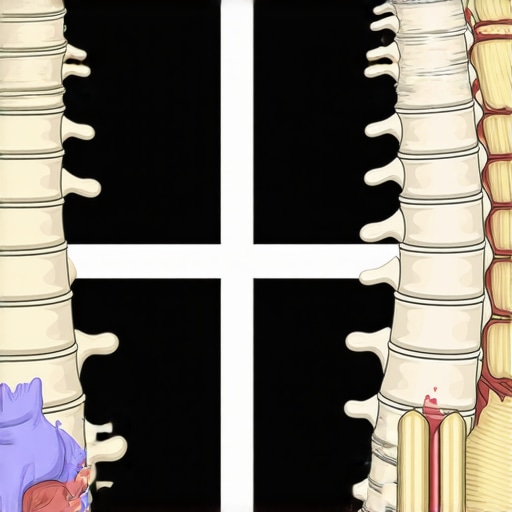
The Trap of the Morning Neck Crack
There is another ‘oops’ factor I see constantly, especially among those of us who carry stress in our upper bodies. You wake up, feel a bit of grit in your neck, and give it a quick self-adjustment. It feels great for about five minutes, right? That’s just a temporary endorphin rush. The danger is that you are likely mobilizing the segments that are already ‘hypermobile’ (moving too much), while the actual stuck joint remains frozen. This is the same logic behind the chin tuck mistake that is making your neck pain worse—doing the right exercise with the wrong mechanics. True mobility mastery expert tips for back pain prevention and recovery involve identifying the specific segment that isn’t moving and addressing that, rather than just ‘popping’ everything. Have you ever fallen into the trap of thinking more stretching equals more relief? Let me know in the comments below, because I’d love to help you pivot toward a strategy that actually sticks.
Build a Daily Routine That Actually Sticks
Maintenance is where most people fall off the wagon. They feel great after a few adjustments or a successful road trip, and they immediately revert to their old slumping ways. I treat my spine like I treat my teeth—it needs a daily cleaning. This is why I swear by the morning spinal hygiene routine every desk worker needs. It is not about doing a full hour of yoga; it is about five minutes of movement that tells your nervous system it is okay to let go of yesterday’s tension. If you want to enhance mobility naturally with chiropractic care, you have to be the primary caretaker of your joints between visits. I have found that consistency beats intensity every single time.
The Gear I Use to Keep My Spine in Alignment
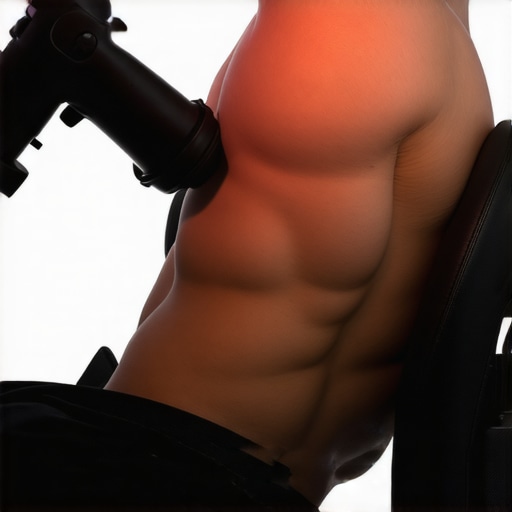
I have tested dozens of gadgets, and most of them are junk. However, a high-quality percussive therapy device changed the game for me. The key is knowing how to use a massage gun on your lower back safely without irritating the nerves. I do not use it on the bone; I use it on the glutes and the lats to offload the pressure on my lumbar spine. I also paid close attention to my home office, finding the specific chair height that stops mid-back burning. It is incredible how much a two-inch adjustment can change the mechanical load on your discs. As Dr. Kelly Starrett, author of Becoming a Supple Leopard, often emphasizes, ‘Your best position is your next position.’ This means even with perfect tools, you have to keep moving to maintain back pain recovery.
How do I maintain these results once the pain stops?
The goal is to shift from reactive care to proactive performance. Once you have used relieve neck back discomfort using these expert methods to get out of the ‘red zone,’ you need to focus on stability. I have integrated the dead bug variation that actually fixes lower back instability into my gym sessions. This creates a natural corset of muscle that protects me during those long hours behind the wheel. Looking ahead, I suspect we will soon see smart-fabric shirts with embedded haptic sensors that vibrate when your posture slips—turning your clothes into a personal coach. But for now, you are the coach. My challenge for you today: next time you are in the car, try the ‘four and eight’ hand position and see how your neck feels after just thirty minutes. You might be surprised how neck pain no more expert chiropractic solutions that work can be as simple as a hand placement change.
I remember the three-hour mark on I-80 last summer. The sun was setting, my playlist was on point, but my upper back felt like it was being poked by a hot branding iron right between the shoulder blades. I tried the “steering wheel shrug,” I tried leaning into the door, and I even tried shouting at the traffic as if that would magically loosen my traps. Nothing worked. By the time I pulled into the driveway, I was moving like a rusty tin man. I realized then that my “relaxing” driving posture was actually a slow-motion car wreck for my spine. Today, I am going to show you exactly how to set up your cockpit—and your body—so you can arrive at your destination ready to enjoy yourself rather than searching for a heating pad.
Stop the Highway Hunch Before It Starts
For years, I made the classic mistake of thinking a “comfy” seat meant I could just melt into it. I would let my pelvis tuck under and my head drift forward toward the windshield like I was trying to sniff the bumper in front of me. It is a trap. When we sit like that, we are not just resting; we are overstretching the ligaments in the upper back while the chest muscles get tight and angry. This is often why your shoulders hunch even when you think you are in a low-stress environment. Research published in the International Journal of Environmental Research and Public Health highlights that the added vibration from the road actually accelerates muscle fatigue compared to sitting in a static office chair. Your muscles are working overtime just to keep you steady, which is why a passive sitting strategy always fails. Have you ever had to pull over just to stretch because the burning between your shoulders became unbearable?
Does fancy lumbar support actually do anything?
You might be wondering if you really need to spend hundreds on a memory foam wedge or if your car’s built-in dial is just a marketing gimmick. The truth is, even the most expensive seat will not save you if you do not know how to stack your spine. I used to think my car was the problem until I learned how better posture and mobility actually work in a seated environment.
Your Seat Setup is Probably Wrong
Most people treat their car seat like a recliner, but you should treat it like an ergonomic workstation. My biggest blunder early on was using a massive pillow behind my neck that actually pushed my head too far forward. It felt soft, but it was giving me “tech neck” at 70 miles per hour. The first thing I changed was my distance to the pedals. If you are reaching too far, your shoulders will naturally round forward to compensate. To combat that mid-trip fire, I started using this simple shoulder blade squeeze at every red light. It resets the nervous system and tells those tired muscles to let go. If you are on a long stretch of highway, you can even perform a modified version of the Bruegger’s relief move to open up your chest and reverse the hunch.
Adjust Your Mirrors While Sitting Tall
This is a trick I learned from a physical therapist that changed my road trips forever: adjust your rearview mirror only when you are sitting in your most ideal, upright posture. It serves as a physical alarm system. I remember a grueling six-hour trek through the Nebraska plains where I was constantly frustrated that my mirror seemed to be ‘slipping.’ Every twenty minutes, I’d lose my view of the traffic behind me. I realized the mirror wasn’t moving; I was. My spine was collapsing into a slouch, and the mirror was simply reflecting my poor form. By setting it while you are elongated, the moment you can’t see behind you, you’re prompted to sit back up. This constant feedback loop is one of the best ways to relieve neck back discomfort using these expert methods without having to pull over.
The Hidden Danger of Your Back-Pocket Wallet
If you are sitting on a bulky leather wallet, you are effectively driving with a shim under one side of your pelvis. It might feel like a minor annoyance, but over hundreds of miles, it forces your lower spine to curve and your hip to hike upward. This uneven foundation is a recipe for disaster. I used to wonder why my left hip felt like a rusted hinge while my right side was fine, and it all traced back to that three-inch-thick stack of receipts and cards. Before you even put the car in gear, empty your pockets. Your pelvis needs to be level and flush against the back of the seat to restore your back mobility proven chiropractic strategies. Slide your tailbone as far back as it will go so there is no gap for your spine to ‘melt’ into.
Swap Ten-and-Two for Four-and-Eight
We were all taught the ‘ten and two’ position in driver’s ed, but for long-distance comfort, it is a nightmare for your upper traps. When your hands are high on the wheel, your shoulders naturally shrug toward your ears, and your chest muscles tighten. This is exactly why your shoulder blades feel like theyre burning after typing or driving for long periods. Instead, drop your hands to the bottom of the wheel at the four and eight o’clock positions. This allows your elbows to rest closer to your ribs and lets your shoulder blades settle down your back. It’s a similar logic to how to sit at your desk with zero back fatigue—keep the weight of your arms supported so your neck doesn’t have to do the heavy lifting.
Drive With Your Belly Not Your Chest
Tension is often a breathing problem in disguise. When we get stressed by traffic or fatigued by the road, we switch to shallow chest breathing. This uses the ‘accessory’ muscles in your neck and tops of your shoulders to lift the ribcage. By the end of an hour, those muscles are exhausted. I make it a habit at every toll booth or red light to consciously practice how to breathe properly to reduce tension in your shoulders. Focus on expanding your belly as you inhale, keeping your shoulders completely still. If you feel your chin drifting toward the windshield, perform the chin tuck drill to combat tech neck instantly. Think of it like pulling your ears back over your shoulders, which resets the mechanical load on your cervical spine. This level of mobility mastery expert tips for back pain prevention and recovery turns a standard commute into a session of active recovery.Let’s dig a bit deeper into why your post-drive recovery routine might be failing you. Most people assume that if a muscle feels ‘tight,’ the solution is to stretch it until it gives up. I used to be the person doing aggressive toe-touches at every rest stop, thinking I was doing my spine a favor. But here is the contrarian truth: that tightness is often a protective ‘splinting’ mechanism by your nervous system. If you have a minor instability in your lumbar spine, your brain will lock down the surrounding muscles to prevent further injury. When you force a stretch on those muscles, you are essentially ripping off a biological Band-Aid. This is why stretching your hamstrings wont fix your lower back pain if the root cause is actually coming from your pelvis or discs.
Is your tightness actually a cry for stability?
Advanced spinal health isn’t about being as flexible as a gymnast; it is about knowing where to be stiff and where to be mobile. A landmark study by Dr. Stuart McGill, a leading expert in spine biomechanics, suggests that excessive spinal flexibility can actually increase the risk of injury. He argues that ‘stiffening’ the core through proper bracing is more effective for long-term relief than traditional stretching. I see this a lot in my own journey—focusing on why your core strength isnt stopping your back from hurting is usually a matter of engagement rather than just raw power. If you are just pulling on your muscles without stabilizing your spine, you’re likely making your back pain recovery take twice as long.
The Trap of the Morning Neck Crack
There is another ‘oops’ factor I see constantly, especially among those of us who carry stress in our upper bodies. You wake up, feel a bit of grit in your neck, and give it a quick self-adjustment. It feels great for about five minutes, right? That’s just a temporary endorphin rush. The danger is that you are likely mobilizing the segments that are already ‘hypermobile’ (moving too much), while the actual stuck joint remains frozen. This is the same logic behind the chin tuck mistake that is making your neck pain worse—doing the right exercise with the wrong mechanics. True mobility mastery expert tips for back pain prevention and recovery involve identifying the specific segment that isn’t moving and addressing that, rather than just ‘popping’ everything. Have you ever fallen into the trap of thinking more stretching equals more relief? Let me know in the comments below, because I’d love to help you pivot toward a strategy that actually sticks.
Build a Daily Routine That Actually Sticks
Maintenance is where most people fall off the wagon. They feel great after a few adjustments or a successful road trip, and they immediately revert to their old slumping ways. I treat my spine like I treat my teeth—it needs a daily cleaning. This is why I swear by the morning spinal hygiene routine every desk worker needs. It is not about doing a full hour of yoga; it is about five minutes of movement that tells your nervous system it is okay to let go of yesterday’s tension. If you want to enhance mobility naturally with chiropractic care, you have to be the primary caretaker of your joints between visits. I have found that consistency beats intensity every single time.
The Gear I Use to Keep My Spine in Alignment
I have tested dozens of gadgets, and most of them are junk. However, a high-quality percussive therapy device changed the game for me. The key is knowing how to use a massage gun on your lower back safely without irritating the nerves. I do not use it on the bone; I use it on the glutes and the lats to offload the pressure on my lumbar spine. I also paid close attention to my home office, finding the specific chair height that stops mid-back burning. It is incredible how much a two-inch adjustment can change the mechanical load on your discs. As Dr. Kelly Starrett, author of Becoming a Supple Leopard, often emphasizes, ‘Your best position is your next position.’ This means even with perfect tools, you have to keep moving to maintain back pain recovery.
How do I maintain these results once the pain stops?
The goal is to shift from reactive care to proactive performance. Once you have used relieve neck back discomfort using these expert methods to get out of the ‘red zone,’ you need to focus on stability. I have integrated the dead bug variation that actually fixes lower back instability into my gym sessions. This creates a natural corset of muscle that protects me during those long hours behind the wheel. Looking ahead, I suspect we will soon see smart-fabric shirts with embedded haptic sensors that vibrate when your posture slips—turning your clothes into a personal coach. But for now, you are the coach. My challenge for you today: next time you are in the car, try the ‘four and eight’ hand position and see how your neck feels after just thirty minutes. You might be surprised how neck pain no more expert chiropractic solutions that work can be as simple as a hand placement change.
The Hardest Lesson I Learned After a Decade of Road Trips
For years, I thought if I could just find the ‘perfect’ static position, my pain would vanish. The reality is that the human body is designed for motion, not statuesque stillness. One of my biggest lightbulb moments was realizing that why you should never crack your own neck in the morning applies to the car too—chasing that ‘pop’ while driving is just a temporary fix for a deeper mechanical issue. I also learned that pain is a lagging indicator; by the time you feel that burn, your tissues have been crying out for help for hours. You have to be proactive with your mobility mastery expert tips for back pain prevention and recovery before the first mile is even logged.
The Gear That Actually Earned a Spot in My Trunk
I don’t travel light when it comes to spinal health. My toolkit includes a simple lumbar roll, which is far more effective than the built-in car dials that often push in the wrong places. I also carry a portable percussive device for rest stops. To truly understand the ‘why’ behind these fixes, I suggest diving into neck back pain solutions insights from wellness experts. I also keep a copy of ‘Becoming a Supple Leopard’ by Kelly Starrett in my passenger seat pocket; his focus on ‘maintenance’ rather than just ‘repair’ changed my entire approach to long-distance travel and daily spinal hygiene.
Reclaim Your Joy for the Open Road
The road is meant to be a place of freedom, not a prison of physical discomfort. It might feel overwhelming to change your hand position, your mirrors, and your breathing all at once, but you don’t have to be perfect on day one. Start by moving your wallet out of your pocket, then try the four-and-eight hand position. These small, intentional shifts are the foundation of a successful back pain recovery how chiropractic care transforms lives and helps you stay active for years to come. Your spine is the chassis of your life—treat it with the same care you give your car’s engine. Have you ever noticed that one specific side of your back hurts more after a long drive? Let me know in the comments below!