How to Stand in One Place for Hours Without Back Pain
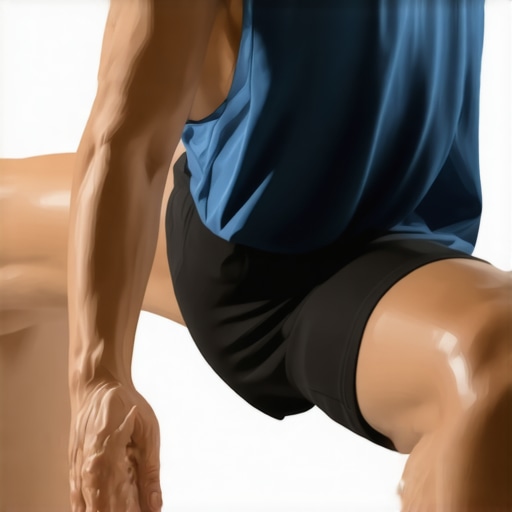
I remember standing at my niece’s outdoor wedding three years ago, trying to look presentable in a suit while my lower back felt like it was being slowly crushed in a hydraulic press. Everyone else seemed fine, chatting away with glasses of champagne, while I was scanning the horizon for the nearest folding chair like a man lost in a desert searching for an oasis. I felt broken. I felt old. I was only in my thirties, yet ten minutes of standing still was enough to make my spine scream. I spent that whole evening shifting my weight, leaning against a decorative oak tree, and eventually retreating to my car early. That was my rock bottom. I realized I had been treating my body like a statue instead of a living, breathing machine. I had spent years thinking the answer was better shoes or just toughing it out, but the truth was that my standing mechanics were a total wreck. My biggest mistake early on? I thought standing straight meant locking my knees back as far as they would go and tucking my tailbone. I was essentially turning off my natural shock absorbers. Today, I want to share the exact shifts in perspective and posture that allowed me to ditch the pain and actually enjoy being on my feet again. We’re going to solve the mystery of why your back gives out and give you a roadmap for standing endurance.
Why your spine rebels against the simple act of standing still
When you stand still, your body isn’t actually resting. It’s performing a complex balancing act. The problem for most of us is that we stop moving entirely, which leads to something called static loading. I used to wonder why your lower back aches after standing for 10 minutes, and the answer is usually that your muscles have checked out, leaving your ligaments and discs to take the hit. According to research published in the journal Ergonomics, prolonged standing is significantly more taxing on the lumbar region than most people realize, often leading to muscle fatigue that persists long after you sit down. I used to think I just needed a more expensive ergonomic chair for when I wasn’t standing, but learning how to sit at your desk with zero back fatigue is only half the battle if your standing form is still causing micro-trauma throughout the day. Have you ever felt that specific, sharp heat right at the base of your spine after just a few minutes of waiting in line?
Is it actually possible to stand still without suffering?
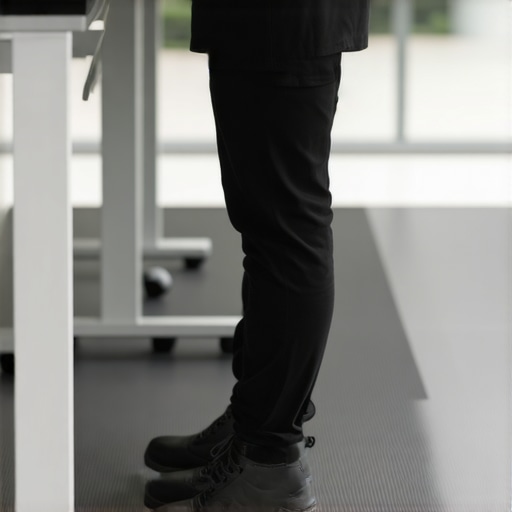
Most people are skeptical because they’ve tried better shoes or orthotics and still ended up in pain. I certainly did. I spent a small fortune on gel insoles before I realized how your foot arch affects your lower back pain is only one piece of the puzzle. The real change happened when I stopped locking my joints. When you lock your knees, you shut off your glutes. When your glutes go to sleep, your lower back has to do all the heavy lifting. This is a huge reason why standing desks cause hip pain for so many office workers who try to make the switch too fast. Once I learned how to keep my glutes engaged but not clenched and my knees soft but not bent, everything changed. It felt weird at first, like I was relearning how to be human, but the payoff was instant. If you’ve been struggling with this, have you noticed if you tend to lock your knees when you’re distracted? Let’s dive into the mechanics of why this happens and how you can start fixing it today by understanding back pain as a functional issue rather than a permanent sentence of discomfort.One of the most profound shifts I ever made happened while I was waiting in a forty-minute line at the DMV. Instead of my usual habit of leaning onto one hip and letting my lower back sag, I started experimenting with what I call the micro-stack. I realized that my body was acting like a tower of poorly stacked blocks, and the base was the problem.
Start with your feet and work your way up
Most of us stand with our weight shoved into our heels, which sends a shockwave of pressure straight into the lumbar spine. To fix this, you need to find your center of gravity. I remember shifting my weight slightly forward toward the balls of my feet—not so far that I was on my toes, but just enough to feel my calves engage. This simple change is crucial because how your foot arch affects your lower back pain is directly tied to how you distribute your weight. When I balanced my weight across the entire foot, I felt an immediate release in my hip flexors.
Soft knees are your best friend
The second I stopped clicking my knees back into a locked position, I felt my glutes wake up. Locking your joints is a way of letting your skeleton do the work while your muscles go to sleep. If you want to restore your back mobility, you have to keep a micro-bend in your knees. It is barely visible to anyone else, but it turns your legs into active shock absorbers rather than rigid pillars. 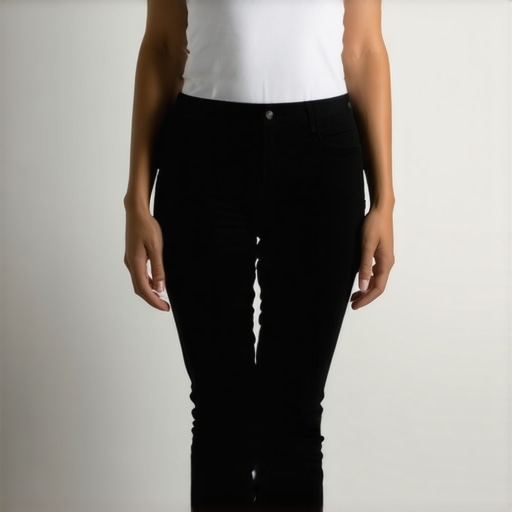
The pelvic tilt that changes everything
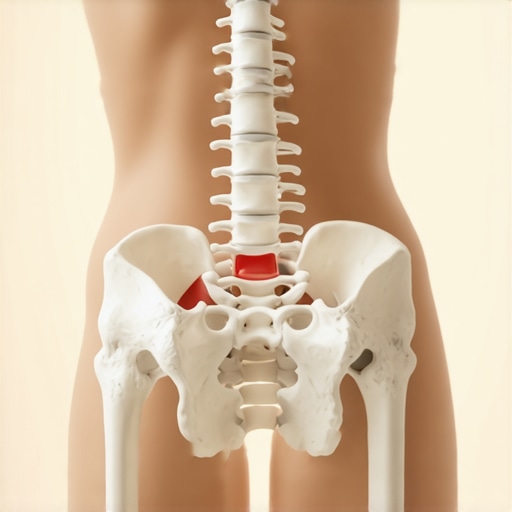
The most common mistake I see is the anterior pelvic tilt, or what I call the duck butt. This happens when your pelvis tips forward, creating a deep arch in your lower back that pinches the nerves. I discovered the pelvic tilt trick for instant lumbar relief by accident while trying to mimic a professional athlete’s neutral stance. By gently tucking my tailbone under—just a fraction of an inch—I could feel the space opening up in my lower vertebrae. It felt like someone had let the air out of a pressurized tire. This is why understanding back pain requires you to look at your pelvis as the steering wheel of your entire spine.
Engage your glutes without clenching
You do not want to squeeze your butt like you are trying to hold a coin between your cheeks. That just creates more tension. Instead, think about a light, 10% engagement. I used to think I needed a six-pack for a healthy spine, but I eventually learned that why your glute medius is more important than your abs for back health is because these muscles stabilize your pelvis from the side. When I focused on keeping those muscles online during my niece’s wedding, I found I could stand for twice as long without that familiar burning sensation.
Keep the upper body in check
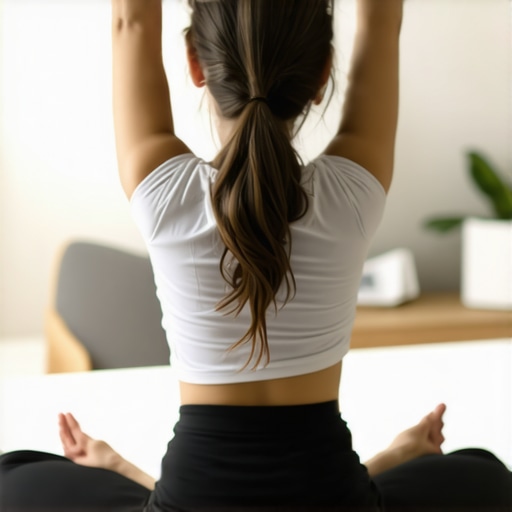
Your lower back often hurts because your upper back is as stiff as a board. If your ribcage is flared out or your shoulders are rounded, your lower back has to arch to compensate. I found that performing the single best exercise for thoracic mobility daily made it much easier to keep my ribs tucked over my pelvis while standing. This creates a cylinder of stability through your core. When I finally combined all these pieces—balanced feet, soft knees, neutral pelvis, and a relaxed ribcage—I stopped looking for the nearest chair. I was finally using my body the way it was designed to be used.
While that cylinder of stability is a game-changer, I need to address a common myth that keeps people trapped in a cycle of frustration. Most people believe that if they just get ‘stronger,’ their back pain will vanish. I fell into this trap myself, spending months doing heavy planks and sit-ups, only to find my back felt stiffer than ever. The reality is that core strength alone won’t save your spine if you lack the proper coordination. In fact, why your core strength isn’t stopping your back from hurting is often because you’re using your superficial ‘six-pack’ muscles to do the job of the deep stabilizers. It’s like trying to support a house with fancy wallpaper instead of a solid frame.
Why your six-pack won’t save your spine
This is where the nuance of mobility mastery comes into play. If your deep stabilizers aren’t firing, your larger muscles have to overcompensate, leading to that chronic, tight feeling that no amount of stretching seems to fix. Speaking of stretching, that leads me to one of the biggest ‘oops’ factors I see: the obsession with hamstring flexibility. Most people assume that if their back hurts, their hamstrings must be tight. However, why stretching your hamstrings won’t fix your lower back pain is a concept many struggle to grasp. Often, those hamstrings feel tight because they are actually overstretched and screaming for stability, not more length. Yanking on them only makes the pelvis more unstable.

Stop trying to stretch your way out of trouble
Another dangerous mistake is the ‘self-adjustment’ habit. We’ve all been there—your neck feels stiff, and you give it a quick twist until you hear a loud pop. It feels like instant relief, but you are actually creating a long-term problem. Research published in the Journal of Manipulative and Physiological Therapeutics suggests that self-cracking often targets the joints that are already too loose, rather than the stuck ones. This is exactly why you should never crack your own neck in the morning or any other time; you’re effectively hyper-mobilizing segments that need rest while ignoring the true source of the restriction.
Is there actually such a thing as a ‘perfect’ posture?
Advanced biomechanics research, such as studies found in the British Journal of Sports Medicine, has begun to shift away from the idea of a single ‘correct’ posture. Instead, they emphasize ‘postural variability.’ The human body wasn’t designed to be a statue. Even if you find the most ‘perfect’ alignment, holding it for four hours straight will still cause pain. The secret isn’t just standing correctly; it’s moving frequently within that correct alignment. This is why the hidden link between neck pain and spinal health is so often found in how we transition between movements, rather than how we sit or stand still. Have you ever fallen into the trap of trying to hold yourself perfectly still only to end up more sore? Let me know in the comments. To truly find relief, we have to look at proven strategies for back pain relief that prioritize functional movement over rigid positioning. By focusing on how your body interacts with its environment—even down to how your vision impacts your neck position—you can finally break the cycle of chronic discomfort.
Knowing why your back hurts is half the battle, but keeping it from hurting again requires a bit of an ‘operational manual’ for your daily life. I spent years in a cycle of feeling great for a week and then waking up stiff because I’d gone back to my old, lazy habits. The breakthrough came when I started looking at my spine like a piece of high-performance machinery that needed specific maintenance tools. I’m not talking about expensive home traction machines; I’m talking about the gear that actually fits into a busy life and the strategies that turn chiropractic techniques unveiled by the pros into a daily reality.
The tools that saved me from another relapse
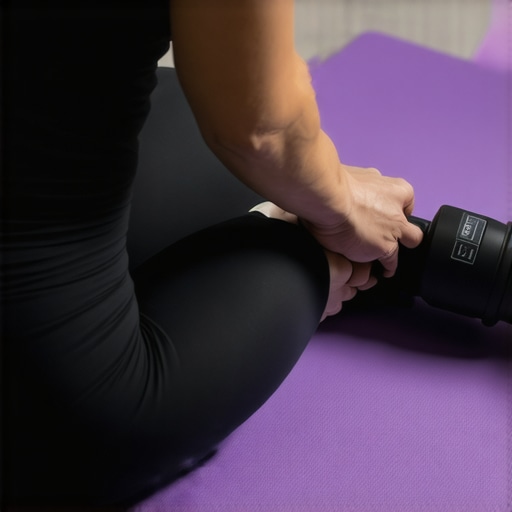
I eventually ditched the generic foam roller for a high-quality percussion massager. I don’t use it just to ‘feel good’; I use it specifically for neurological desensitization. When my lower back feels ‘tight’ after a long drive, I know it’s often just the nervous system being overprotective. Learning how to use a massage gun on your lower back safely changed everything for me. I focus on the tissue around the sacrum and the glutes, never the spine itself. This tells my brain that the muscles can relax, which prevents the secondary spasms that used to ruin my weekends. I also became obsessed with my footwear. I realized that how to tell if your sneakers are ruining your spinal alignment is a skill everyone needs because if your base is tilted, your spine is fighting an uphill battle from the first step of the day.
How do I maintain my mobility over time?
Consistency is the only metric that matters. Dr. Stuart McGill, a world-renowned expert in back biomechanics, often discusses the importance of ‘spinal hygiene’ in his technical research. He suggests that the ‘Big 3’ exercises are foundational because they build endurance in the deep stabilizers without placing excessive load on the spinal discs. I’ve integrated a modified version into my morning, specifically focusing on the dead bug variation that actually protects your back. It takes me five minutes, but it sets a ‘stiffness floor’ for my core that carries me through the day. I also live by the the 20-20-20 rule for desk workers and neck health, though I’ve adapted it to my standing desk to ensure I’m shifting my weight and resetting my gaze every twenty minutes.
Looking ahead, I suspect we are moving toward a world of ‘smart posture.’ We are already seeing wearable sensors that provide haptic feedback when your thoracic spine rounds too far forward. In the future, I believe our workspace environments will automatically adjust based on our physiological fatigue markers. But until your chair can talk to your brain, you need to take control. My advanced tip for you today? Stop what you are doing and perform the Bruegger’s relief move to reverse hours of hunched sitting. It takes ten seconds, but it’s the ultimate reset for your nervous system and your alignment. Don’t just read about it—stand up, tuck your chin, and open those palms up right now. Your spine will thank you before you even finish the exhale.
Three Crucial Shifts I Had to Make to Save My Spine
Looking back at that wedding three years ago, I realize my biggest hurdle wasn’t just physical—it was a series of mental misunderstandings about how my body should actually work. First, I had to accept that tension is not the same as stability. I was clenching my core so hard I couldn’t breathe, when I actually needed to focus on proven strategies for back pain relief that prioritize fluid movement. Second, I learned that my feet are the primary sensors for my spine. If I can’t feel the floor, my brain can’t stabilize my hips. Finally, I stopped viewing ‘standing still’ as a static event. I now treat it as a series of tiny, subtle movements that keep my blood flowing and my joints lubricated. It turns out that chiropractic techniques unveiled by the pros often emphasize this micro-variability over rigid posture.
My Personal Kit for Staying Mobile and Pain-Free
I’m often asked what I keep in my gym bag to maintain these results. I swear by a firm massage ball for releasing my glute medius and a high-quality percussion massager for those days when the travel schedule gets hectic. I also highly recommend reading the work of Dr. Stuart McGill; his approach to ‘spinal hygiene’ is the gold standard for anyone serious about mobility mastery. Additionally, I’ve become very picky about my footwear, as I’ve learned exactly how to tell if your sneakers are ruining your spinal alignment. These tools aren’t just gadgets; they are the feedback loops that keep me from sliding back into old habits.
#IMAGE_PLACEHOLDER_E#
Your Path to a Lifetime of Comfortable Movement
If you take nothing else away from my journey, remember this: your back pain is a signal, not a life sentence. It is your body asking for a change in how it moves and interacts with the world. By implementing these small shifts in how you stand, move, and recover, you are building a foundation of spinal resilience that will serve you for decades. We are all works in progress, but understanding back pain as a manageable, functional challenge is the first step toward reclaiming your freedom. You don’t have to be the person searching for the nearest chair anymore. You have the tools, the knowledge, and the roadmap to stand tall with confidence. What is the one situation where your back always seems to flare up the most—is it at the grocery store, a concert, or your standing desk? Let me know in the comments below!